Knee Pain from Kneeling in Temple Prayers Jaipur
Knee pain from kneeling during temple prayers affects many elderly and adults in Jaipur. Prolonged kneeling on hard floors strains knees. Protective exercises before and after…
Read article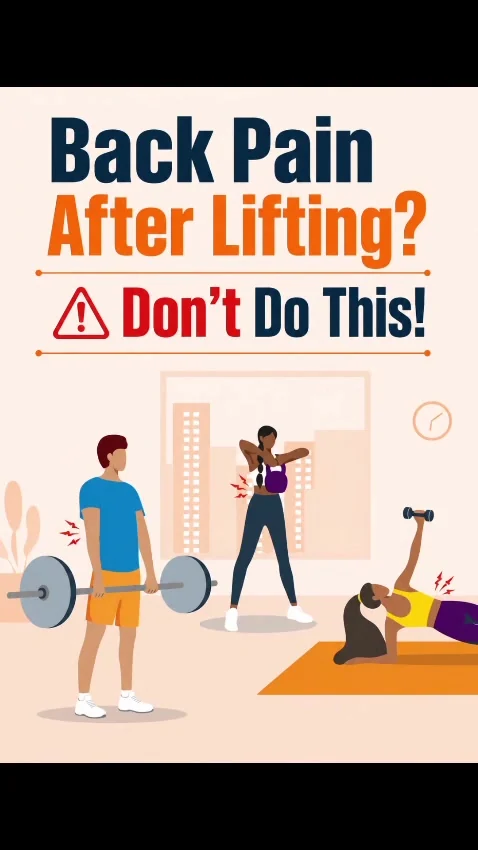
The short answer
Lifting heavy bags after a slip disc in Jaipur requires safe techniques to protect the back. Bend from knees and hips, not waist, keep load close, engage core, and avoid twisting. Trivayu Physio Center in Vaishali Nagar teaches these methods with tailored exercises.
Your back hurts after a slip disc. Manual work makes it worse. Lifting heavy bags can worsen the bulge. This guide shows safe ways to lift after slip disc in Jaipur. Trivayu Physio Center shares tips to protect your back. You will learn techniques, exercises, and when to seek help. Expect practical steps for daily tasks like carrying loads or bending at work.
Slip disc presses on nerves. Pain shoots down legs or arms. Manual labourers face daily risks. Poor form re-injures the back. Physiotherapy builds strength and teaches safe habits. Start slow. A physiotherapist checks your posture, movement, and pain triggers. They tailor exercises to your job, like bending or carrying. They watch how you lift in clinic and correct habits on the spot.
A slip disc happens when the soft centre pushes through the disc’s outer layer. This irritates nerves. Pain, numbness, or weakness follows. Lifting stresses the spine. Sudden bends or twists aggravate it. Manual labourers twist while carrying loads. This bulges the disc more. Mistakes include bending at the waist, turning with a load, and rushing. These strain the lower back.
Discs in the lower back take most load during lifts. Forward bending increases pressure by three times. Twisting adds shear force. Uneven bags shift weight side to side. This weakens healing tissue. Slouching slows progress. Track pain: note what worsens it. Keep a simple diary: time, task, pain level. Share this with your physiotherapist for better plans. Looking for a Physiotherapy Near Me? Our team in Vaishali Nagar, Jaipur can assess you in person.
Safe lifting protects your disc. Bend from knees and hips, not waist. Keep load close. Engage core. Avoid twisting. Pivot with feet. Face the direction you move. Breathe steadily. Never lift more than you can handle. Stop if pain increases. Practice daily.
Core engagement: draw belly button to spine without holding breath. This stabilises the spine. Maintain neutral spine: slight inward arch at lower back. Test standing: hand behind back should just fit. During breaks, stand tall with even weight on feet. Check in mirror: shoulders level, knees soft. For herniated disc safe posture, sit with lumbar support. Feet flat, back against chair. Avoid crossing legs.
Follow these steps to lift bags or loads. Position feet shoulder-width apart. Squat with flat back. Grip firmly. Pull load to chest. Stand using legs. Turn by stepping. Set down the same way. Pain-free lifting methods start here: plan your path first. Clear obstacles. Wear shoes with good grip.
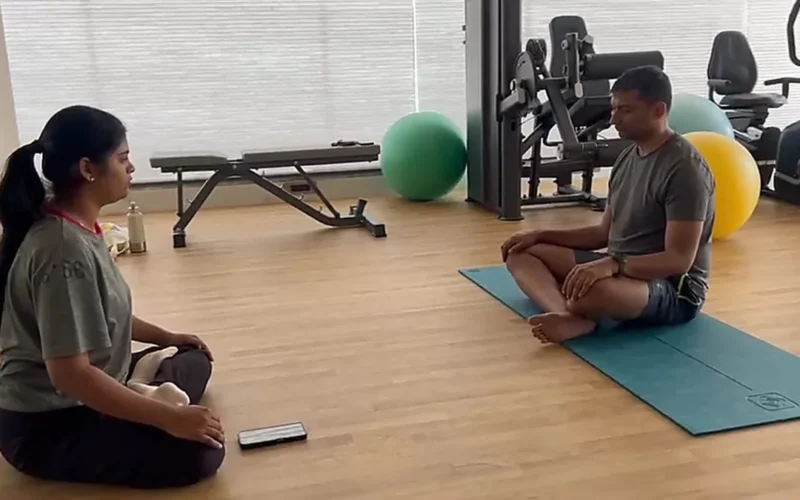
Practice without weight first. Physiotherapists at Trivayu demonstrate with mirrors and light weights. Exhale on effort. If carrying far, rest on stable surface midway. Adapt for jobs: turn feet first for stacking shelves. One knee down if squatting hurts knees. Use handles or straps for bags. Avoid overhead reaches; use a low stool, keep load below chest height. Read more about our Spine, Back & Neck Care.
Build core and back strength. Do under physio guidance. Start 5-10 repeats, 2-3 times a day. Stop if pain grows. Breathe normally. Move slow and controlled.
Pair with clinical pilates at Trivayu. Progress to planks: start on knees, hold 10 seconds. Or squats: feet apart, lower as if sitting. Sessions twice weekly: 10-minute warm-up with marching, main exercises, cool-down stretches. Home program includes progressions tracked weekly. Add side planks for side loads: lie on side, lift hips. Do 3 sets daily.
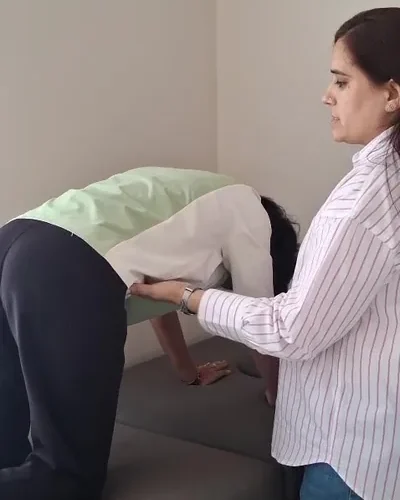
Physiotherapists assess your back injury first. Test range of motion: forward bend, side bend, rotation. Palpate tight muscles like erector spinae. Analyse gait and posture with video if needed. Treatment phases: pain relief first, then strength, then function. Use manual mobilisations to loosen joints. Robotic Spinal Decompression creates space between vertebrae. Class IV Laser reduces swelling around disc. Sessions 45 minutes. You may also find Breathing Exercises for Back Pain in Pregnancy useful.
Simulate work: lift therapy balls or boxes in clinic. Add dry needling for knots in muscles. Or taping to support posture. Plans match your manual labour: carry mock bags, bend for sweeping. Safe posture for herniated disc: lumbar roll in car or chair – towel rolled for curve. Stand hourly, walk 2 minutes. Sleep side-lying, pillow between knees stops twist.
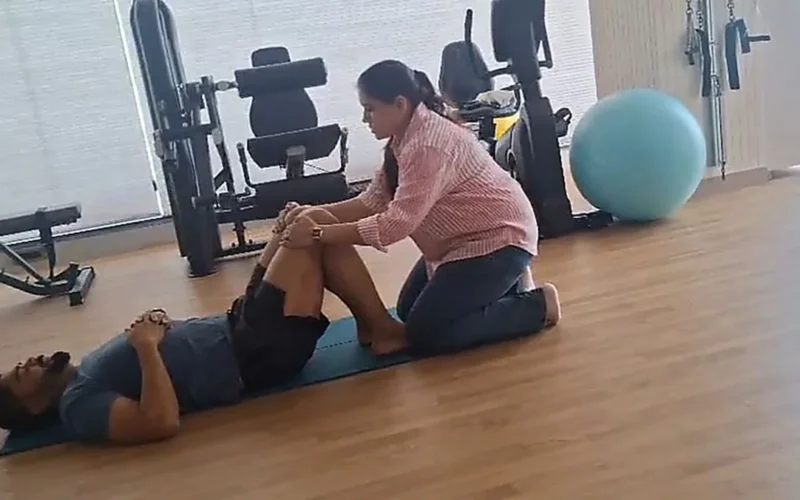
After pain drops, advance exercises. Week one: bridges and marches only. Week two: add bird dog, dead bug. Week three: planks, squats. Always check pain next day. Physiotherapist cues form: no spine bend, hips level. For disc bulge physiotherapy: repeat assessment every four weeks. Adjust for leg pain or arm tingles. Include stretches: knee-to-chest on back, hold 20 seconds.
Sharp pain, leg weakness, numbness numb toes: stop work, call physio. Bladder issues or stool problems: urgent. Trivayu in Vaishali Nagar treats slip disc with Robotic Spinal Decompression, Class IV Laser, manual therapy, rehab. In-person spots hidden pains. Book for plans match you.
Squat flat back, close load, legs power. Feet twist.
Knee bend, core brace, no spin. Path face. Slow drop.
Straight spine, neutral curve. Chest hold. Core power.
Post physio clear. Slow step.
Trivayu plans. Posture teach, exercise, tech. Home view option.
Back safe every day. Habit safe long. Full needs check expert. Practise same time – – i. i. i. each time.
Book Trivvu Physio Center, Vaishali Nagar, Jaipur. WhatsApp or call +91 90570 65065.
“`
Physiotherapy is not the right first step for everything. Seek medical assessment promptly if any of the following apply to you:
If you lose control of your bladder or bowels, develop numbness around the groin, or have chest pain or breathlessness, treat it as an emergency and go to hospital.
Knee pain from kneeling during temple prayers affects many elderly and adults in Jaipur. Prolonged kneeling on hard floors strains knees. Protective exercises before and after…
Read articleMany new mothers in Jaipur notice a soft gap in their belly after delivery. This is diastasis recti postpartum. Abdominal muscles separate during pregnancy. Core activation…
Read articleLeg weakness after stroke affects walking and balance. Stroke survivors in Jaipur face this. Home exercises build strength if done safely. Seated exercises start easy. Standing…
Read articleMessage us on WhatsApp with your main concern and preferred time, and we'll confirm your first visit the same day.