Knee Pain from Kneeling in Temple Prayers Jaipur
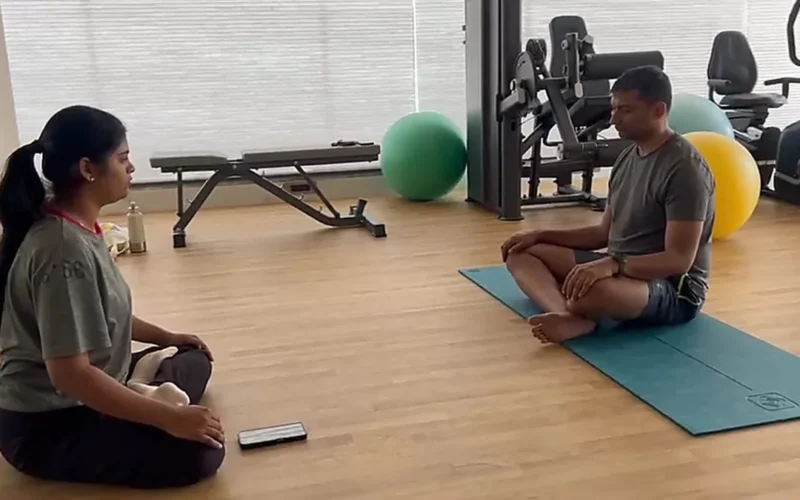
Knee pain from kneeling during temple prayers affects many elderly and adults in Jaipur. Prolonged kneeling on hard floors strains knees. Protective exercises before and after…
Read article
Many new mothers in Jaipur notice a soft gap in their belly after delivery. This is diastasis recti postpartum. Abdominal muscles separate during pregnancy. Core activation exercises help close this gap safely.
At Trivayu Physio Center, we focus on women’s health physiotherapy. Our team guides new mums through postpartum diastasis recti exercises. Proper technique activates deep core muscles. Always get an in-person check first.
These exercises target belly separation postpartum. They build strength in the transverse abdominis. Start slow and breathe right. Professional postnatal rehab in Jaipur helps.
Diastasis recti is separation of the rectus abdominis muscles along the midline. It creates a gap above or below the navel. Postpartum, this gap stays after the baby arrives.
Symptoms include a bulging belly when sitting up. You may feel doming or coning during movement. Weakness shows in tasks like lifting your baby or standing from a chair. Back pain or poor posture can follow.
Pregnancy stretches the linea alba, the connective tissue between muscles. The growing uterus pushes them apart. Hormones like relaxin soften tissues. Not all women get it, but many do after delivery. Vaginal birth or C-section both lead to it. Looking for a Rehabilitation Centre Near Me? Our team in Vaishali Nagar, Jaipur can assess you in person.
A proper assessment is key before exercises. Check the gap size and depth. Our physiotherapists at Trivayu measure this in clinic. They test function during movements like rolling over. Self-checks help but miss details.
Basic core work like sit-ups strains the gap. Advanced core activation targets deep layers first. It rebuilds from inside out.
Wrong exercises worsen separation. Crunches or twists increase belly pressure. Planks too early cause doming. Risks include hernia or ongoing weakness. Safe postpartum workouts integrate breathing to engage deep core muscles.
Core activation focuses on control. Progress only when basics hold without doming. A physiotherapist watches your form. They adjust for your gap size and delivery type.
The transverse abdominis is your deepest core muscle. It wraps around like a belt. Activating it first closes the gap from inside. Lie on your back to learn it. Place fingers just inside hip bones. Inhale to let belly rise. Read more about our Women's Health Physiotherapy in Jaipur.
Practice this before any exercise. Do it standing or sitting too. It carries over to lifting your baby. Without this, surface exercises fail. Our team at Trivayu teaches progressions. They check if you engage it right during coughs or laughs.
Combine with pelvic floor squeezes. Imagine stopping urine flow while lifting the perineum. Do both on exhale. This supports diastasis recti recovery.
Start on your back with knees bent. Place hands on belly to feel activation. Breathe deeply: inhale to relax, exhale to draw navel to spine. Do 8-10 reps, 2-3 times daily. Stop if you see or feel doming. Build up over weeks.
Progress: Extend leg higher or add arm reach if no doming. A physiotherapist cues your breath timing.
Keep core tight. Stop if belly bulges or back arches. Progress to full leg extension later.
Progress on unstable surface later. Integrate breathing every time.
Use when back-lying feels easy. It trains upright control.
Add if no pain. Builds endurance safely.
Do activation first, 10 reps. Then 2-3 exercises daily, 2 sets. Rest days between. Track doming in mirror. Increase holds when steady. After 4-6 weeks, add standing work. A physiotherapist tailors this to your gap and fitness. You may also find Postpartum Back Pain Exercises for New Mothers in Jaipur useful.
In clinic: First visit checks gap lying, sitting, standing. They test with ultrasound if needed. Sessions include manual checks during moves. Homework reinforces.
Trivayu offers ante-natal and post-natal rehabilitation programs. Clinical Pilates builds core safely. Manual therapy releases tight tissues. Myofascial release eases tension around the gap. Dry needling helps stubborn spots.
Our team in women’s health physiotherapy Jaipur includes Dr. Jyoti Choudhary with 17+ years. Dr. Hritika Choudhary handles post-op rehab techniques. Sessions last 45-60 minutes.
Locations: Vaishali Nagar at 204, 2nd Floor, Om Tower, Gandhi Path Road, Nemi Nagar. Vidyadhar Nagar at Rangoli Gardens. Hours: Monday to Saturday 8 am to 8 pm, Sunday 10 am to 1 pm.
Seek help if gap wider than two fingers. Pain, bulging, or no progress after weeks. Incontinence or back pain too. Difficulty with buttons or zippers hints at weakness.
Home exercises suit mild cases. Clinic rehab offers hands-on guide. Home visits and online consultations available. Post-C-section mums need scar work early.
Contact Trivayu Physio Center: +91 90570 65065 or WhatsApp at https://wa.me/919057065065. Book an assessment today.
Separation of belly muscles from pregnancy stretch. The gap stays post-delivery, causing soft tummy.
Lie on back, knees bent. Lift head slightly, feel midline with fingers. Note gap width at navel, above, below. See physiotherapist for full check.
No. They push on the gap. Use deep core activation instead.
After doctor clearance, often 6 weeks post-delivery. Start gentle, build up.
Physiotherapy guides recovery. It strengthens muscles to close gap over time. Results vary; assessment needed.
Heel slides, dead bugs, bird dogs, seated marches. Focus on transverse abdominis with breath.
Assess gap and function first. Guide activation, progress exercises, use hands-on cues. Monitor weekly.
Core activation rebuilds postpartum strength. Trivayu Physio Center supports your diastasis recti recovery in Jaipur.
Book your in-person assessment now. Call +91 90570 65065 or WhatsApp https://wa.me/919057065065.
Physiotherapy is not the right first step for everything. Seek medical assessment promptly if any of the following apply to you:
If you lose control of your bladder or bowels, develop numbness around the groin, or have chest pain or breathlessness, treat it as an emergency and go to hospital.
Truly thankful to Dr. Jyoti Choudhary and the entire team of Trivayu Physio Centre for their genuine care, humble behaviour, and excellent treatment.
Mahesh Dhaka, Google review
This is one patient's own account, published with consent on our reviews page. It describes their experience, not a predicted outcome. Individual results vary.
Knee pain from kneeling during temple prayers affects many elderly and adults in Jaipur. Prolonged kneeling on hard floors strains knees. Protective exercises before and after…
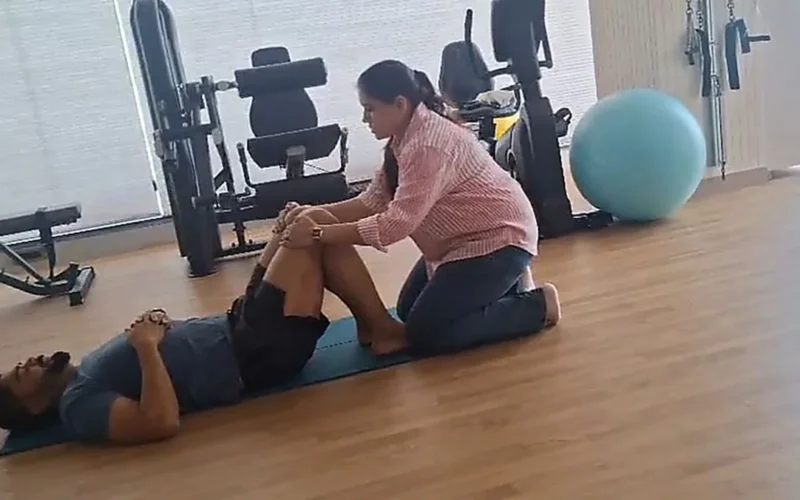
Read articleLeg weakness after stroke affects walking and balance. Stroke survivors in Jaipur face this. Home exercises build strength if done safely. Seated exercises start easy. Standing…
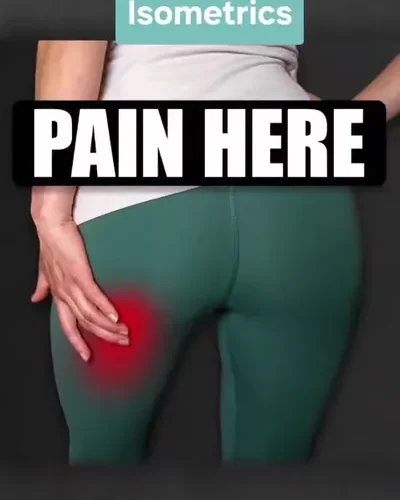
Read articleHip bursitis causes pain on the outer side of your hip. It happens when the bursa sac there gets inflamed. This is common in active women…
Read articleMessage us on WhatsApp with your main concern and preferred time, and we'll confirm your first visit the same day.