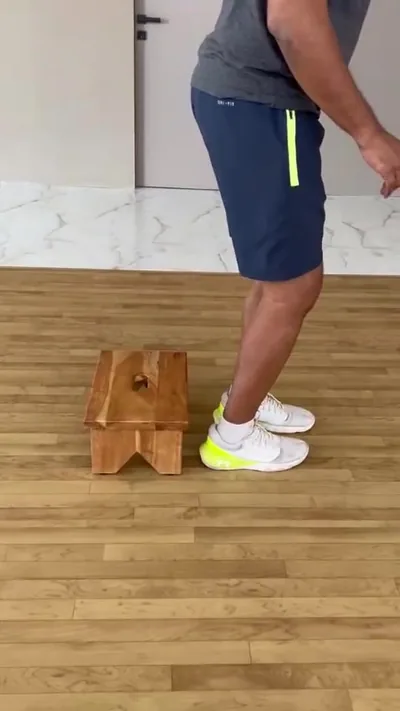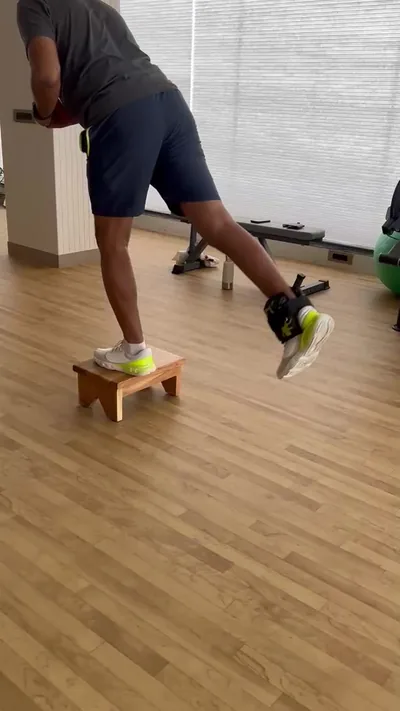
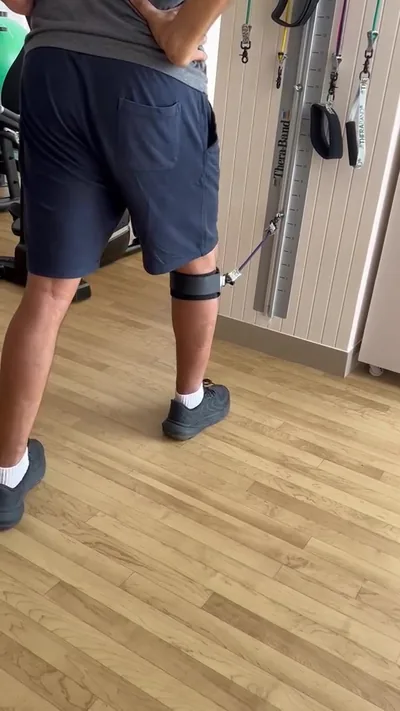
Backward Walking in ACL Rehab Phase 2
Backward walking helps athletes recover from ACL injuries. It builds knee stability in Phase 2 of rehab. This exercise targets quadriceps and improves control after surgery…
Read article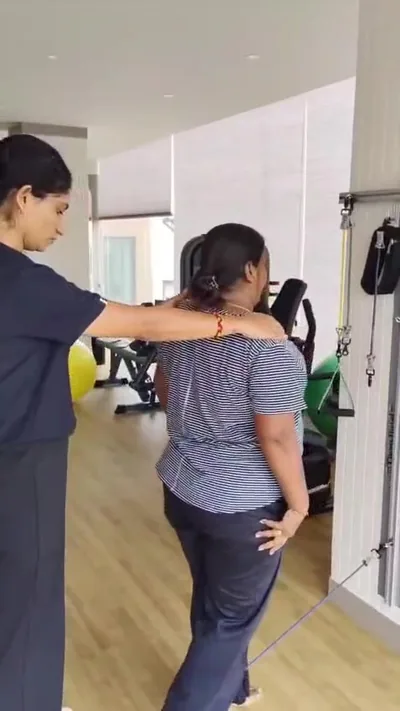

The short answer
Simple breathing exercises for back pain in pregnancy, such as diaphragmatic breathing combined with gentle pelvic tilts, ease lower back pressure. They reduce tension around the spine and pelvic floor. These pregnancy-safe methods support comfort in the third trimester.
Many women in their third trimester feel increasing lower back discomfort. Simple breathing exercises for back pain in pregnancy can ease this pressure when combined with gentle movement.
Diaphragmatic breathing helps reduce tension around the spine and pelvic floor. When paired with small pelvic tilts, it offers lower back pressure relief without strain. The methods below are pregnancy-safe and can be done at home in Jaipur.
Always listen to your body. These exercises support comfort but are not a substitute for professional care.
As pregnancy advances, the growing baby shifts your centre of gravity forward. This changes posture during pregnancy and puts extra load on the lower back.
Daily activities such as standing, walking or sitting for long periods can increase this strain. Stress and shallow breathing may tighten muscles further.
Simple antenatal exercises encourage blood flow and reduce stiffness. They support daily comfort in the later weeks.
Diaphragmatic breathing uses the main breathing muscle under the ribs. It allows the belly to rise gently on inhalation and fall on exhalation. This pattern reduces tension in the lower back and pelvic floor muscles.
Many women breathe high in the chest during pregnancy. This shallow pattern can increase pressure on the spine and tighten surrounding muscles.
Practising safe breathing in pregnancy helps manage lower back pressure relief. It also prepares the body for labour by teaching control and calm.
Find a comfortable position. You may sit on a chair with feet flat on the floor or lie on your side with a pillow between the knees.
Repeat for two to three minutes. This diaphragmatic breathing can be done several times a day. Stop if you feel dizzy or uncomfortable.
Gentle pelvic tilts add small movement to the lower back. They are safe for the third trimester when kept small and linked with breath.
In sitting: Sit tall on a chair. Breathe in to prepare. As you breathe out, gently tuck the pelvis under to flatten the lower back. Return to neutral on the next breath in. Move only a few centimetres.
In standing: Stand with feet hip-width apart and knees soft. Use the same breathing pattern. On exhalation, tilt the pelvis slightly to reduce the curve in the lower back. Inhale to return.
In side-lying: Lie on your side with knees bent. On exhalation, gently tilt the pelvis to press the lower back toward the bed. Release on inhalation.
Perform five to eight slow repetitions in each position. Focus on comfort, not range. This antenatal breathing with pelvic tilts supports third trimester comfort and posture during pregnancy.
A short ten-minute sequence can fit easily into your day. Perform it once or twice daily, preferably in the morning and evening.
Do the movements slowly. Avoid any position or action that causes pain or strain. Listen to your body and rest if needed. Consistency matters more than intensity.
Breathing exercises and gentle pelvic tilts support comfort but do not replace a proper assessment. If pain is sharp, spreads to the legs, or affects sleep and daily tasks, consult a physiotherapist.
Trivayu Physio Center offers women’s health physiotherapy and antenatal services. Our team includes experienced physiotherapists skilled in ante-natal and post-natal rehabilitation programs. Clinics are located in Vaishali Nagar and Vidyadhar Nagar, Jaipur. Home visits and online consultation are also available.
An individual check helps ensure the right techniques for your stage of pregnancy and specific needs.
Yes, when performed gently and with proper technique. Diaphragmatic breathing and small pelvic tilts are considered safe for most women. Stop immediately if you feel pain or dizziness and seek advice from a physiotherapist.
Pelvic tilts encourage gentle movement in the lower back and pelvis. When combined with breathing, they reduce muscle tension and support better alignment. The small range used in pregnancy avoids strain while promoting comfort.
You can begin in the second trimester and continue through the third. Early practice builds habit and control. In the third trimester the focus shifts to comfort and preparation for labour.
No. These techniques offer helpful self-management but do not replace a professional assessment. Physiotherapy can identify specific muscle imbalances and provide tailored care.
Trivayu Physio Center provides antenatal and women’s health physiotherapy at its clinics in Vaishali Nagar and Vidyadhar Nagar. Home visits and online consultations are also offered. Contact the team to arrange an assessment.
Lower back discomfort in late pregnancy is common. Regular diaphragmatic breathing and gentle pelvic tilts can bring relief when practised daily. These safe methods support better posture during pregnancy and third trimester comfort.
They work best as part of a balanced approach that includes rest, walking and good posture habits. Recovery and comfort vary from woman to woman.
If you are experiencing back pain, book an antenatal assessment at Trivayu Physio Center. Our team can guide you with personalised techniques. Reach us on WhatsApp or call +91 90570 65065 to schedule a session at our Vaishali Nagar or Vidyadhar Nagar clinics, or opt for a home visit.
Physiotherapy is not the right first step for everything. Seek medical assessment promptly if any of the following apply to you:
If you lose control of your bladder or bowels, develop numbness around the groin, or have chest pain or breathlessness, treat it as an emergency and go to hospital.
Backward walking helps athletes recover from ACL injuries. It builds knee stability in Phase 2 of rehab. This exercise targets quadriceps and improves control after surgery…
Read articleAfter ACL surgery, rebuilding knee strength takes time and care. ACL rehabilitation phases guide this process step by step. Phase 1 protects the graft and cuts…
Read articleAfter hip replacement surgery, dressing your lower body safely helps build independence. By week 6 of hip replacement recovery, many patients aim to dress without help.…
Read articleMessage us on WhatsApp with your main concern and preferred time, and we'll confirm your first visit the same day.