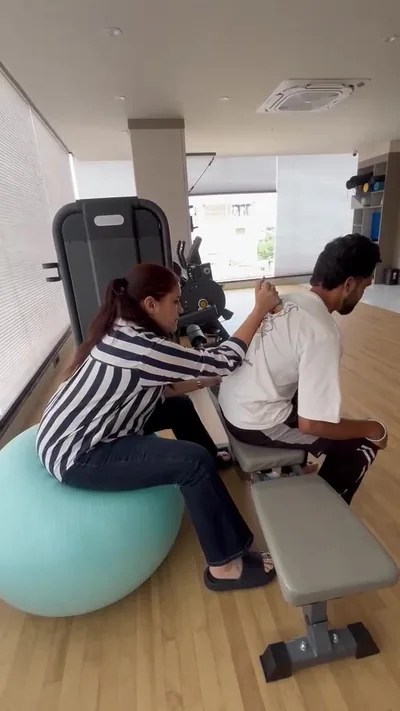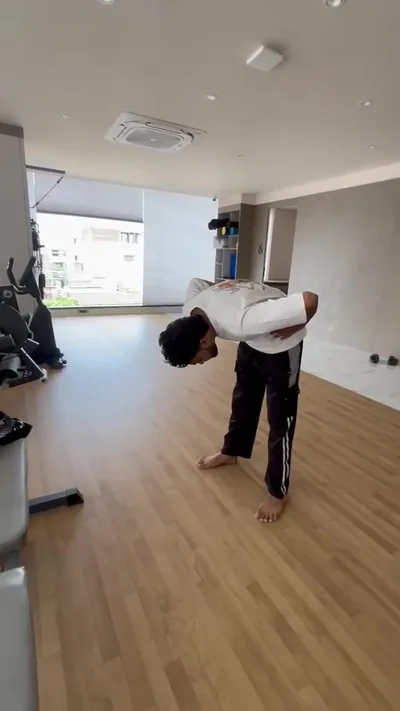
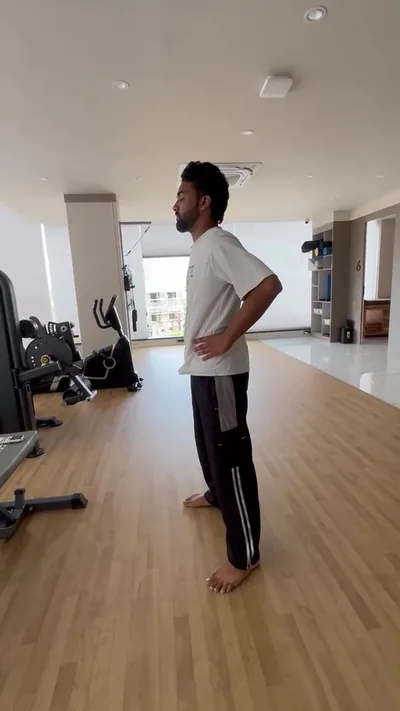
Is Side Bending Safe with L4 L5 Herniated Disc
An L4 L5 herniated disc happens when the disc between your fourth and fifth lumbar vertebrae bulges or ruptures. This presses on nearby nerves, causing pain…
Read article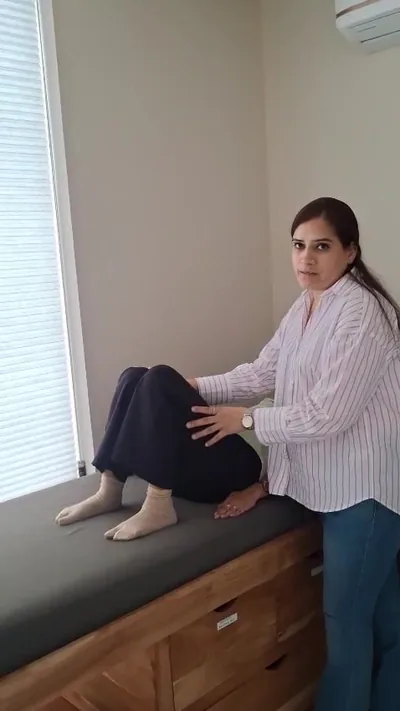

In month 3 of ACL rehab, build knee strength and control with squats. This phase tests readiness for deeper movements. Proper squat form prevents graft stress. A physiotherapist checks graft stability first. They watch knee load during tasks like sitting to standing.
Mirror feedback shows form in real time. It guides safe squat depth progression. Spot errors like knee cave before pain starts. At home, use a side-profile mirror to check hip drop or inward knees. Front mirror catches valgus too.
Post ACL surgery squats need precision. Controlled depth protects the graft. Trivayu Physio Center in Jaipur tailors ACL physiotherapy to your feedback and graft type.
Phase 3 shifts to functional strength. Goals: knee stability, muscle power, and daily task readiness. Squats target quads, hamstrings, glutes for walking, stairs, and sports return. Physio tests single-leg balance first. Hold 30 seconds without wobble or knee shift to start squats.
Controlled progression prevents re-injury. Month 3 allows more load if form holds and prior phases complete. Sessions twice weekly with therapist before home practice. Therapist cues hip hinge and knee tracking.
Progress when earlier phases feel easy. Pain-free movement, balance, and no swelling signal readiness. Track response over days. Mild soreness fading by morning is normal; sharp pain, clicking, or instability stops progress. Rest 48 hours if needed.
Physiotherapist approach: They palpate for tenderness, measure quad girth for symmetry, and use manual tests for ligament laxity. Home logs shared weekly refine the plan. Looking for a Physiotherapy Clinic Near Me? Our team in Vaishali Nagar, Jaipur can assess you in person.
Mirror gives instant visual cues on knee position, torso angle, and hip level. This beats feeling alone in ACL rehab squats. You might compensate with back arch or ankle roll unnoticed without it.
Errors: knee valgus (knees cave inward), forward lean off heels, uneven hip height. Mirror corrects fast. Place at knee height for side view, full-length for front. Practice 5 minutes before sets to groove pattern.
For ACL patients, it speeds safe progression by building body awareness. Use full-length mirror sideways for hip-knee alignment. Or record phone video, play slow motion to pause at bottom. Compare to physio demo. Alternate views daily.
Start partial squats (quarter depth, thighs 20-30 degrees). Feet shoulder-width, toes 15 degrees out. Lower part way, thighs near parallel to floor but not forced. Weight in heels, midfoot loaded. Drive up squeezing glutes and quads evenly.
Advance if no pain, stable mirror form, control on ascent and descent. Add depth weekly, 10-15 degrees at a time. Test 3 reps first at new depth. Twinge, wobble, or post-exercise swelling means hold current depth one more week.
Aim 3 sets of 10-12 reps, three times weekly. Rest 60-90 seconds between sets. Pair with balance work like single-leg stands. Warm up always to increase blood flow and joint lubricant. More on Ankle Pain Treatment and how we assess it.
Physio demonstrates hands-on, checks hip alignment and graft stress. Follow their cues at home, like “push knees out” or “lead with chest”.
Knees track over toes, never past. Neutral spine, chest up, gaze forward 2 metres ahead. Spread toes for ground grip, activate arches.
Avoid overarching low back or shooting knees forward. Pause if pain lingers over 24 hours, swelling appears, or knee feels loose. Step back to prior depth. Ice 15 minutes post-session if knee warms. Elevate leg.
Practice 10 minutes daily, barefoot first to feel foot position. Progress to shoes if sport-specific.
Full squats strong and pain-free? Try goblet squats: hold light weight (2-5 kg dumbbell or water bottle) at chest for upright torso and core brace. Later, split squats with rear foot low on 10 cm step for single-leg emphasis.
Track reps, depth, pain on 0-10 scale in notebook or app. Score form 1-10 via mirror daily. Log swelling by measuring thigh 10 cm above kneecap weekly. Share with physio.
Manual Therapy eases tight tissues around knee. Pros spot subtle flaws like ankle pronation. Trivayu guides phase 3 precisely. Electrotherapy cuts inflammation after heavy sets. Orthopaedic Rehabilitation integrates squats into full knee plan.
ACL recovery spans 6-12 months typically. Early phases (1-2) protect graft with bracing, isometric quad sets, heel slides, and pool walking. Build base without load. Month 3 adds squats as quad strength returns and swelling resolves. Needs prior hamstring curls and calf raises foundation.
Squats start assisted: TRX straps or wall sit first. Home uses chair for depth guide. Independence comes with control proof, like 10 pain-free reps unassisted. What to expect: Gradual confidence, but fatigue after 20 reps normal. You may also find ACL Rehab Squat Depth in Month 3 useful.
Pair squats with 15 cm step-ups onto box, knee tracking mirror-checked. Advance box height 5 cm as squats deepen. Add band lateral walks (10 steps each way, 3 sets) for glute medius and inner thigh stability.
Month 4 introduces sport drills if month 3 holds: controlled hops, landing with knees soft. Test hop-land alignment in mirror. Physio assesses dynamic valgus and adds agility ladder if ready. Progress to bike sprints later.
Depth varies by mobility and strength. Quarter depth for early month 3 if quads lag. Full depth risks shear if hamstrings short or glutes weak. Mirror shows first strain sign, like knee dive; stop there.
Sharp pain, knee giving way, new swelling post-squat. No progress after two weeks, unstable form despite mirror, or asymmetry between legs.
Trivayu in Vaishali Nagar, Vidyadhar Nagar offers sports injury rehab. Dr. Jyoti Choudhary (17+ years, Rajasthan Women’s Cricket Team physio) leads ACL protocols. Dr. Hritika Choudhary handles post-op knees with graft-specific plans.
Book in-person assessment for personalised plan, home exercise logs, and progression tests. Expect joint mobilisation, strength grading, and custom squat cues.
From quarter (20 degrees) to full (90+ degrees) over weeks if pain-free and stable. Physio approves each step with load tests.
Reveals errors like knee cave, hip hike, or lean instantly. Allows live correction, faster learning, lower re-injury risk.
After partial depth pain-free for 1-2 weeks, stable single-leg hold. Often month 3, but physio tests graft via Lachman or pivot shift.
Progression squats with mirror, step-ups, glute bridges with single-leg lift, leg press at 45 degrees. Controlled tempo, alignment focus. Always warm up. Calf raises for balance.
Side mirror: knees over toes, neutral back, heels down, hips level. Front mirror or film for valgus and symmetry. Check at bottom position.
Safe squat depth progression builds knee strength steadily. Mirror keeps form sharp in month 3. Trivayu ACL physiotherapy in Jaipur ensures safe steps with expert oversight.
Book assessment at Trivayu Physio Center. WhatsApp +91 90570 65065 or call.
“`
*(Word count: 1267)*
Physiotherapy is not the right first step for everything. Seek medical assessment promptly if any of the following apply to you:
If you lose control of your bladder or bowels, develop numbness around the groin, or have chest pain or breathlessness, treat it as an emergency and go to hospital.
Truly thankful to Dr. Jyoti Choudhary and the entire team of Trivayu Physio Centre for their genuine care, humble behaviour, and excellent treatment.
Mahesh Dhaka, Google review
This is one patient's own account, published with consent on our reviews page. It describes their experience, not a predicted outcome. Individual results vary.
An L4 L5 herniated disc happens when the disc between your fourth and fifth lumbar vertebrae bulges or ruptures. This presses on nearby nerves, causing pain…
Read articleShopkeepers in Jaipur often stand for long hours behind counters. This prolonged standing can trigger sciatica pain. Sciatica happens when the sciatic nerve gets irritated, often…
Read articleHerniated disc night pain disrupts sleep for many. The disc bulge presses on nerves, causing sharp back pain or sciatica that flares up at night. Simple…
Read articleMessage us on WhatsApp with your main concern and preferred time, and we'll confirm your first visit the same day.