Quick Shifts for Sciatica from Long Standing
Shopkeepers in Jaipur often stand for long hours behind counters. This prolonged standing can trigger sciatica pain. Sciatica happens when the sciatic nerve gets irritated, often…
Read article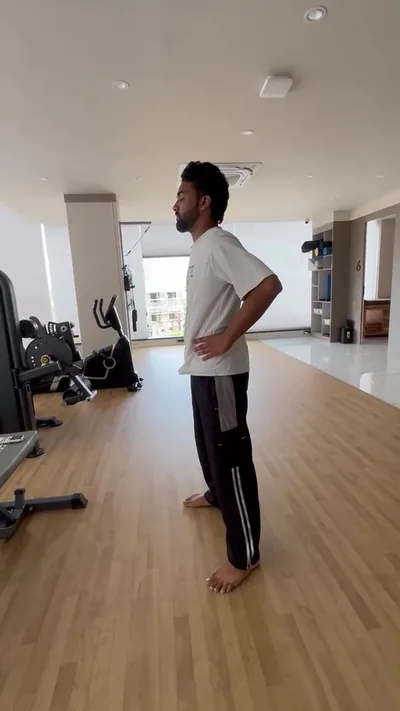

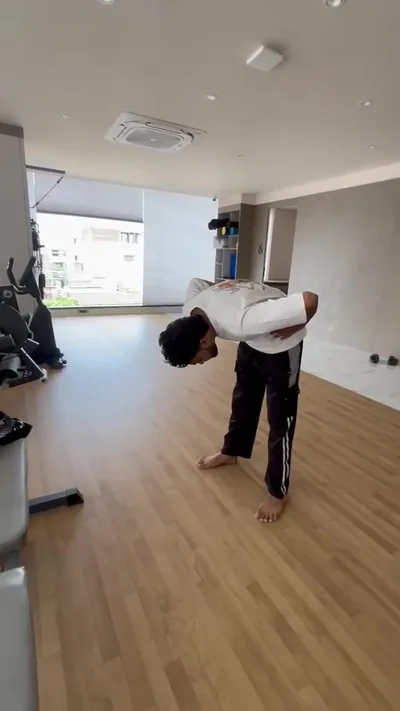
An L4 L5 herniated disc happens when the disc between your fourth and fifth lumbar vertebrae bulges or ruptures. This presses on nearby nerves, causing pain in your lower back, buttocks or legs. Side bending loads this area unevenly. For many, it triggers more pain or numbness.
This guide covers risks of L4 L5 herniated disc side bending. It shares safe home movements to avoid flare-ups. Get a professional check first. Movements that feel fine one day can worsen things the next.
Recovery varies. These tips help manage symptoms at home safely. They do not replace medical advice.
The L4 L5 disc sits in your lower back, supporting body weight and allowing bends and twists. A herniation means the soft inner gel pushes through the tough outer layer. Side bending stresses this spot directly.
Lateral flexion compresses one side of the disc more than the other. This can push the bulge onto nerves, causing pain. Symptoms include sharp lower back pain, leg tingling, weakness or pain down one side. The L5 nerve root often gets irritated, leading to pain into the buttock or front of the thigh. Looking for a Physiotherapist Near Me? Our team in Vaishali Nagar, Jaipur can assess you in person.
Daily actions like reaching low on the side worsen it. If you feel these signs, stop and rest. A proper in-person assessment rules out serious issues and guides safe moves. A physiotherapist checks your posture, movement patterns and nerve function.
Side bending tilts your spine sideways. At L4 L5, this creates uneven pressure. The inner curve gets squeezed, the outer side stretches. For a herniated disc, this risks more bulging or nerve irritation. Facet joints on one side close, adding shear forces.
Triggers hide in routine tasks: picking up laundry sideways, lying on one side in bed or leaning to check your phone while sitting. Lateral flexion couples with rotation in daily life, doubling stress. More on Ankle Pain Treatment and how we assess it.
Listen to your body. Pain signals harm. Avoid pushing through it. Track patterns: note what you did before pain, how long it lasted and what eased it.
Keep your spine neutral—natural curves without extra bends. Build gentle core strength. Start with 5-10 minutes daily, stopping if pain increases.
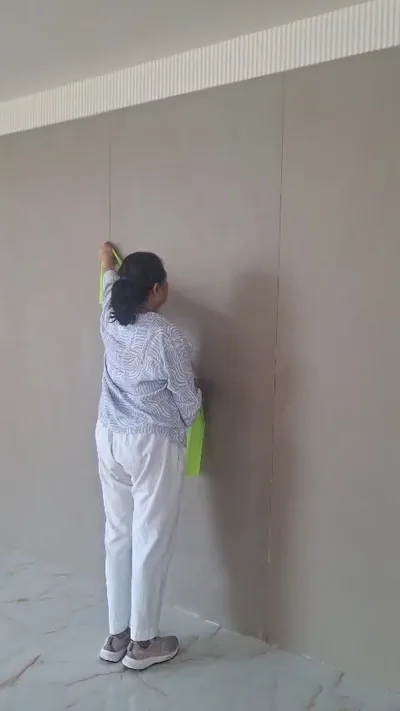
A physiotherapist might demonstrate these first:
Face objects squarely. Pivot feet instead of bending side. Stand with weight even, knees soft. Sit with lumbar support. Stand from sitting by pushing through heels, hinging at hips. You may also find Slipped Disc L4 L5 Bending Limits Daily useful.
Back pain from side bending stems from habits. Focus on symmetry.
Sleep on back or side with pillow between knees. Avoid stomach sleeping. Use a firm mattress if back pain eases on it.
When sitting, use back support, feet flat. Stand every 30 minutes for 2-minute walk. For tasks:
Checks: Walk without limp? Lift light items close to body? Touch toes with straight legs without pain? If no, rest. Use heat before activity, ice after if swollen.
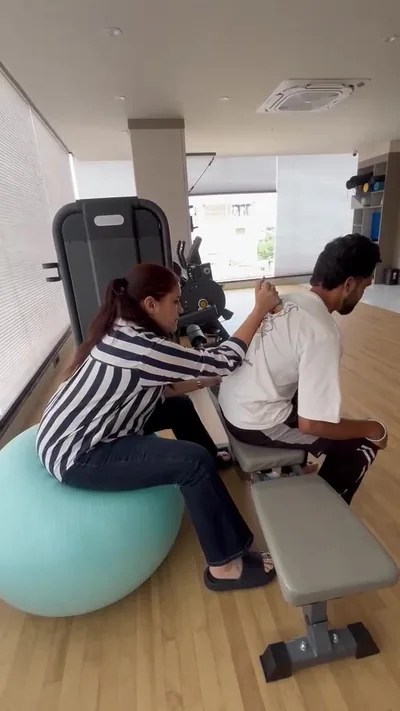
A physiotherapist assesses standing, sitting, walking and bends. They palpate for tight spots and test reflexes. They teach neutral spine control before exercises.
Sessions include gentle mobilisation and core activation, progressing to functional tasks. Orthopaedic Rehabilitation restores movement patterns. Home programmes build gradually.
For prevention, they advise logbooks. Electrotherapy reduces nerve pain. Manual Therapy targets tight muscles like quadratus lumborum.
Red flags: loss of bladder or bowel control, severe leg weakness, pain despite rest or numbness in saddle area. See a doctor or physiotherapist right away.
For ongoing issues, physiotherapy helps. At Trivayu Physio Center in Vaishali Nagar, Jaipur, Dr. Jyoti Choudhary leads with 17+ years in sports and orthopaedics. Services include Robotic Spinal Decompression Therapy. Also at Vidyadhar Nagar. Book an in-person assessment.
No, for most it risks more pressure on the bulge. Stick to neutral moves until assessed.
Twists with side bends, off-centre lifting or prolonged leaning. These increase disc load.
Avoid if possible. Turn whole body or squat symmetrically. Needs pro guidance.
Not without advice. Gentle core work first, then standing side shifts under supervision.
Always in acute pain. Prioritise forward-back motions first.
Use neutral posture, alternate positions, strengthen core evenly. Avoid one-shoulder bags.
Protect your back with these steps. For personalised help with L4 L5 disc, book at Trivayu Physio Center. Call +91 90570 65065 or WhatsApp via the link.
Physiotherapy is not the right first step for everything. Seek medical assessment promptly if any of the following apply to you:
If you lose control of your bladder or bowels, develop numbness around the groin, or have chest pain or breathlessness, treat it as an emergency and go to hospital.
Truly thankful to Dr. Jyoti Choudhary and the entire team of Trivayu Physio Centre for their genuine care, humble behaviour, and excellent treatment.
Mahesh Dhaka, Google review
This is one patient's own account, published with consent on our reviews page. It describes their experience, not a predicted outcome. Individual results vary.
Shopkeepers in Jaipur often stand for long hours behind counters. This prolonged standing can trigger sciatica pain. Sciatica happens when the sciatic nerve gets irritated, often…
Read articleHerniated disc night pain disrupts sleep for many. The disc bulge presses on nerves, causing sharp back pain or sciatica that flares up at night. Simple…
Read articleFrozen shoulder causes pain and stiffness in the shoulder joint. Office workers often face it from long desk hours and poor posture. Pain worsens at night…
Read articleMessage us on WhatsApp with your main concern and preferred time, and we'll confirm your first visit the same day.