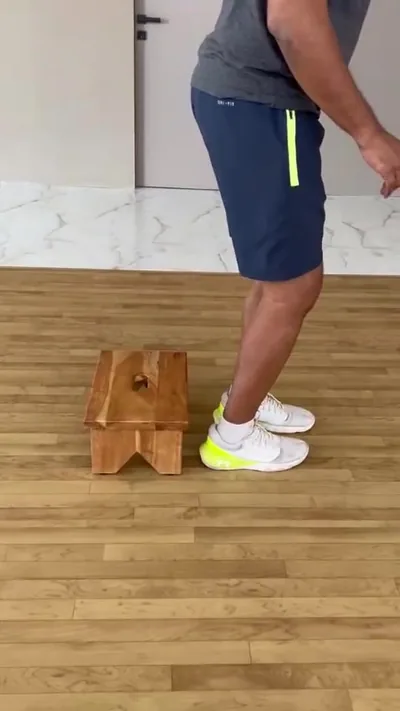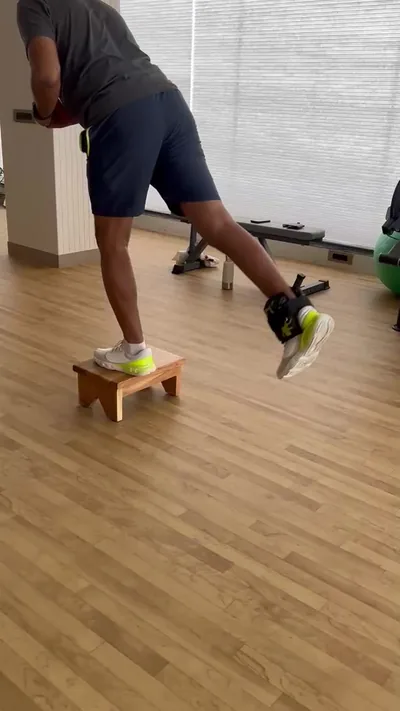
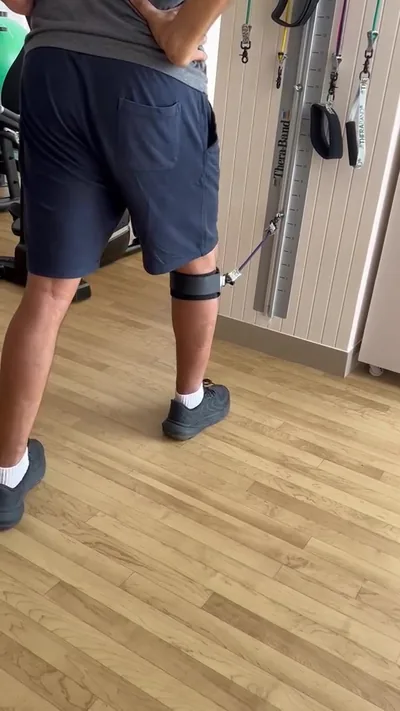
Backward Walking in ACL Rehab Phase 2
Backward walking helps athletes recover from ACL injuries. It builds knee stability in Phase 2 of rehab. This exercise targets quadriceps and improves control after surgery…
Read article

After ACL surgery, month 3 marks phase 3 of rehab. This stage builds strength and stability. Squats help, but form safety comes first. Wrong form risks re-injury. Proper checks keep your knee safe.
Athletes ask about ACL rehab squat depth. Safe progression stresses control. This article covers form checks, guidelines, mistakes, stability exercises, squat progression, athlete knee rehab approaches, and post-surgery timelines. Get an in-person check before changing your plan.
Trivayu Physio Center in Jaipur guides post-ACL athletes. Our team stresses squat form safety in phase 3.
ACL injury recovery takes time after surgery. Early phases focus on reducing swelling and regaining motion. Phase 3, around month 3, shifts to strength if your knee bends fully without pain and you walk without limp.
A physiotherapist assesses readiness with tests like single-leg squat or hop. They check graft tension by feeling knee stability during load. Deeper squats challenge proprioception, the sense of joint position.
For athletes, phase 3 bridges gym work to field drills. Runners focus on forward drive; team players add side-to-side control. Always pair squats with balance work to rebuild knee confidence.
Good form protects your knee. Prevent valgus collapse, where knee caves inward. Practice in front of a mirror or record video. A physio might place hands on your hips to guide alignment during sessions. Looking for a Rehabilitation Centre Near Me? Our team in Vaishali Nagar, Jaipur can assess you in person.
Practice without weight for 10-15 reps daily. Film weekly from front and side. If form slips under fatigue, stay shallow. A physio uses hands-on cues and mirrors to correct in real time.
Build knee stability before deepening squats. Do 3-4 times a week, 2-3 sets of 10-15 reps. These prepare muscles for squat load and improve dynamic control.
Master these first with perfect form. If twinge, reduce time or reps. A physio adds resistance bands or weights as control improves, watching for compensation patterns.
Squat depth progresses based on control, not calendar. Start quarter depth (30-45 degrees knee bend), then half (60 degrees), parallel (thigh level with floor), full (hamstrings touch calves) if pain-free and stable.
Graft type and muscle strength influence pace. Hamstring grafts need extra posterior chain work. Do 8-12 reps, 2-3 sets, every other day. Rest days allow recovery. Orthopaedic Rehabilitation guides load increases with functional tests like timed step-downs. More on Sciatica Treatment and how we assess it.
Progress squats in stages matched to healing. Month 1: Focus on heel slides, straight-leg raises, and isometric quad sets to wake muscles. No squats yet.
Month 2: If no limp and full extension, start double-leg quarter squats with support like TRX straps. 2 sets of 10, twice weekly.
Month 3: Week 1-2 bodyweight half squats, focus on speed control. Week 3-4: Add 2-second pause at bottom for stability. Week 5+: Light dumbbells (start 2-5 kg) if form perfect and no asymmetry.
Month 4+: Single-leg squats if hop tests pass. Tailor for sport: runners add walking lunges for stride; ball players add lateral squats or Copenhagen planks.
Athletes in ACL recovery need sport-specific tweaks. Physiotherapists analyse your movement patterns, like a footballer’s pivot or cricketer’s bowl. In phase 3, squats build explosive power base. Start with tempo squats: 4 seconds down, 1-second pause, explosive up.
Combine with agility drills like ladder steps once squats hit parallel. Monitor for fatigue; tired muscles lose form fast. Weekly physio sessions refine technique, using video analysis to match pre-injury squat patterns. You may also find ACL Squat Depth Progression Month 3 useful.
Spot errors early with mirror, video, or partner feedback. Correct before they build bad habits.
Book in-person at Trivayu for hands-on fixes. We use mirrors, video playback, and biofeedback tools.
Electrotherapy reduces swelling and boosts quad activation before squats. Place pads on vastus medialis; gentle pulses contract muscle without knee stress. Use 10-15 minutes pre-workout, followed by hip flexor and IT band stretches.
Tight IT band or hamstrings limit squat depth. Manual Therapy releases these with soft tissue work. Expect 10-15 minutes of targeted pressure, then active stretches. This improves hip mobility for better form.
Pause squats if pain lasts over 24 hours, swelling rises, instability feels present, or night pain wakes you. Clicking or giving way needs immediate check.
At Trivayu Physio Center, Vaishali Nagar or Vidyadhar Nagar, Dr. Jyoti Choudhary assesses form and progression. Dr. Hritika Choudhary handles electrotherapy sessions. Our team tailors plans to your sport and graft type.
Pain-free depth with control and no valgus. Often parallel by month 3 end, but test stability first. Varies by person.
Quarter to half to parallel over weeks. Master form and stability drills at each level. Video check with physio.
Knee over toe, hip hinge, core brace, foot grip, controlled speed, neutral spine. Stop at first pain signal.
When partial squats feel stable, symmetric, and pass single-leg tests. Confirm with physio assessment.
Yes, under guidance. Trivayu Physio Center uses checks and monitoring for safety.
Add single-leg drills and activation. Physio checks quad inhibition, applies electrotherapy to fire muscles.
Athletes add speed and power elements after control. Physio customises with sport drills.
Squat depth in month 3 builds strong knee base for return to sport. Prioritise form, stability exercises, and gradual progression. Listen to your body every session.
Book at Trivayu Physio Center. WhatsApp or call +91 90570 65065.
Physiotherapy is not the right first step for everything. Seek medical assessment promptly if any of the following apply to you:
If you lose control of your bladder or bowels, develop numbness around the groin, or have chest pain or breathlessness, treat it as an emergency and go to hospital.
Truly thankful to Dr. Jyoti Choudhary and the entire team of Trivayu Physio Centre for their genuine care, humble behaviour, and excellent treatment.
Mahesh Dhaka, Google review
This is one patient's own account, published with consent on our reviews page. It describes their experience, not a predicted outcome. Individual results vary.
Backward walking helps athletes recover from ACL injuries. It builds knee stability in Phase 2 of rehab. This exercise targets quadriceps and improves control after surgery…
Read articleAfter ACL surgery, rebuilding knee strength takes time and care. ACL rehabilitation phases guide this process step by step. Phase 1 protects the graft and cuts…
Read articleAfter hip replacement surgery, dressing your lower body safely helps build independence. By week 6 of hip replacement recovery, many patients aim to dress without help.…
Read articleMessage us on WhatsApp with your main concern and preferred time, and we'll confirm your first visit the same day.