Knee Pain from Kneeling in Temple Prayers Jaipur
Knee pain from kneeling during temple prayers affects many elderly and adults in Jaipur. Prolonged kneeling on hard floors strains knees. Protective exercises before and after…
Read article

The short answer
IT workers in Jaipur face spine pain from prolonged sitting and poor posture in desk jobs. Desk decompression uses simple seated or standing moves like spine twists, forward folds, and chin tucks to ease spine pressure. These fit into the workday and target back pain, neck pain, sciatica, and slip disc.
IT workers in Jaipur face spine pain from long desk hours. Sitting all day builds back pain.
Desk spine decompression uses simple moves to ease spine pressure. These fit your workday.
Our team treats back pain, neck pain, sciatica, and slip disc. Read on for tips and when to seek help.
Prolonged sitting causes spine pain for IT professionals in Jaipur. Desk jobs lead to poor posture.
IT workers often sit 8-10 hours daily in hubs like Vaishali Nagar and Vidyadhar Nagar. Static positions compress spinal discs.
Common issues include back pain, neck pain, and sciatica. Slip disc risk comes from static positions.
Poor posture in static positions loads spine unevenly. Screen time pulls head forward, straining neck muscles.
Static sitting reduces blood flow to spinal discs. Muscles tighten without movement.
Forward head posture shortens neck muscles and pulls on upper back. Lower back rounds from slouching.
Sciatica from desk work starts when tight piriformis muscle presses sciatic nerve.
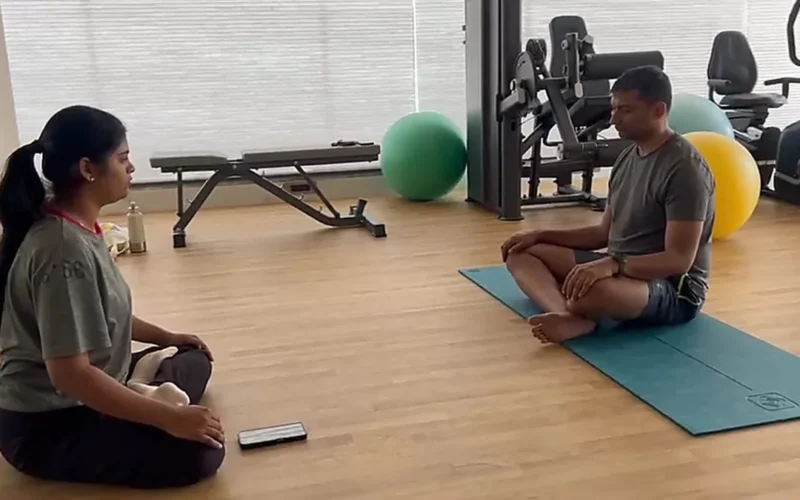
Try these office spine exercises. They use exercise therapy principles. Do them seated or standing. Breathe deeply.
Our physiotherapists teach these safely. Book an assessment to tailor them. Start slow if new to movement.
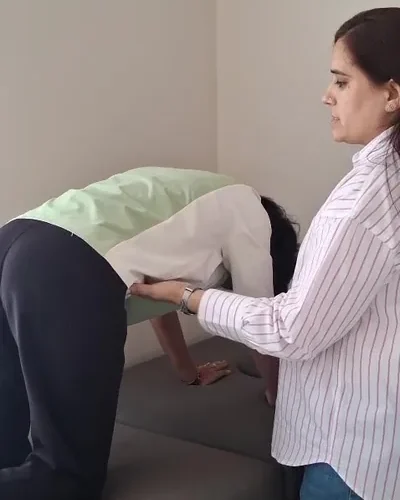
Eases mid-back tension from sitting. Targets rotation lost in desk hunching. Helps sciatica by freeing lower spine twist.
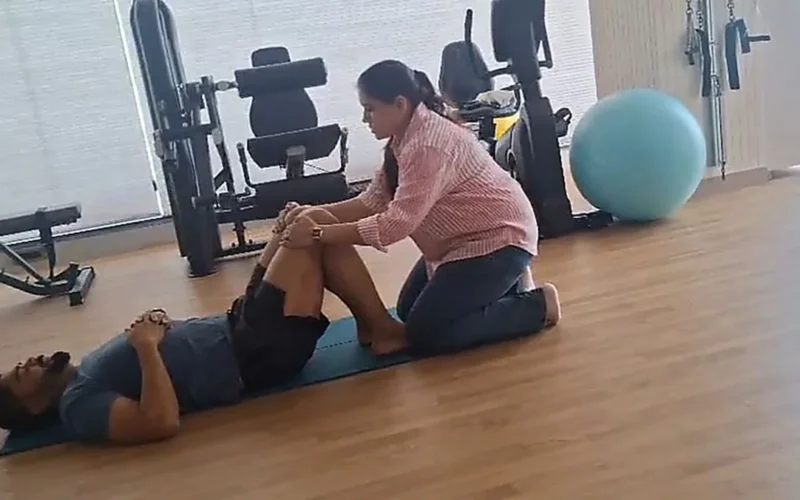
Decompresses lower spine. Relieves sciatica feel. Lengthens hamstrings and calves tight from sitting.
Targets computer neck pain. Improves range. Eases trapezius tightness from mouse work.
Mobilises entire spine. Counters sitting stiffness. Wakes core muscles.
Reverses forward bend from desk work. Helps slip disc early symptoms by opening front spine.
Strengthens upper back. Fights desk slump. Improves typing posture.
Releases buttock tightness pressing sciatic nerve. Key for desk sciatica in Jaipur IT workers.
Corrects forward head from screens. Retrains neck alignment hourly.
At Trivayu Physio Center, Vaishali Nagar, we offer spine care for desk jobs.
Class IV High Power Laser Therapy eases inflammation. TECAR Therapy warms deep tissues with radio waves.
Manual Therapy includes Myofascial Release and Mulligan Concept. Myofascial Release kneads tight fascia with sustained pressure.
Dr. Jyoti Choudhary has 17+ years in orthopaedics. Dr. Hritika Choudhary handles post-op rehab.
We do Dry Needling, Cupping Therapy, and Clinical Pilates. Home visits and online consultations available. Vidyadhar Nagar location too.
In session: Initial assessment checks posture, range of motion, and pain triggers. Physiotherapist watches you sit, stand, and walk.
For slip disc from desk work, we assess disc bulge signs like leg pain on cough.
Set up workstation: Screen at eye level, top at eye height. Chair supports lower back with lumbar curve.
Posture: shoulders relaxed, ears over shoulders, chin tucked slightly. Micro-breaks for stretches every 30 minutes. Shift position: lean back, side lean.
For sciatica: Avoid crossing legs. Shift weight side to side. Stand for calls. Use footrest alternate feet.
For slip disc: No heavy lifting or twisting with load. Strengthen core with planks on breaks. Walk 10 minutes post-lunch.
Hydrate to keep discs plump. Jaipur water: sip often. Limit chai to avoid dehydration.
Weekly: 20-minute home routine with above stretches. Track pain diary: when, what eases it.
Book in-person assessment. Hours: Mon-Sat 8 am to 8 pm, Sun 10 am to 1 pm. Home visits available.
Long sitting, poor posture, and screen gaze strain spine. Leads to back pain, neck pain, sciatica. Slumping compresses discs.
Do desk moves like twists, folds, cat-cow. Adjust chair height. Stand often. Add chin tucks.
Yes, seated twists, neck stretches, shoulder squeezes, piriformis stretch. Get checked first to avoid aggravation.
If pain lasts weeks, spreads to legs, or limits sitting over 30 minutes. Numbness, weakness, or bowel changes need urgent check.
Yes, through decompression, laser, exercises, manual work. Tailors plans to your IT routine.
Checks posture standing and sitting. Tests spine range forward, back, side. Palpates tight spots. Reviews work setup and daily habits.
Book assessment. We use decompression, nerve stretches, piriformis release. In-person exam checks nerve path.
Avoid bends. Do lumbar extensions, core work. Assessment rules out severity. Decompression helps pressure relief.
Spine pain from desk work need not disrupt your IT life. Simple changes and pro help make a difference. Recovery varies.
Book an assessment at Trivayu Physio Center today. WhatsApp or call +91 90570 65065.
Physiotherapy is not the right first step for everything. Seek medical assessment promptly if any of the following apply to you:
If you lose control of your bladder or bowels, develop numbness around the groin, or have chest pain or breathlessness, treat it as an emergency and go to hospital.
Knee pain from kneeling during temple prayers affects many elderly and adults in Jaipur. Prolonged kneeling on hard floors strains knees. Protective exercises before and after…
Read articleMany new mothers in Jaipur notice a soft gap in their belly after delivery. This is diastasis recti postpartum. Abdominal muscles separate during pregnancy. Core activation…
Read articleLeg weakness after stroke affects walking and balance. Stroke survivors in Jaipur face this. Home exercises build strength if done safely. Seated exercises start easy. Standing…
Read articleMessage us on WhatsApp with your main concern and preferred time, and we'll confirm your first visit the same day.