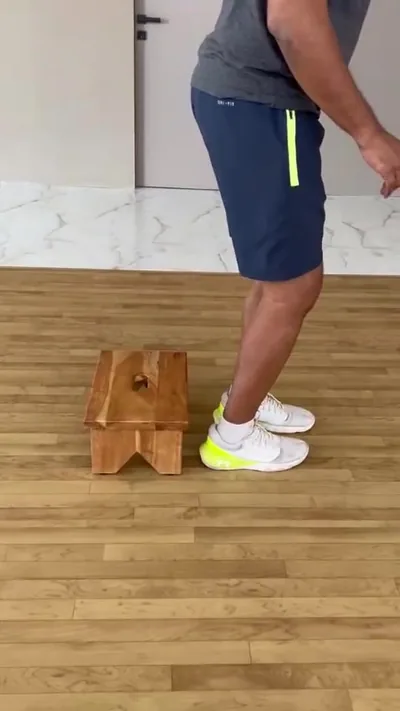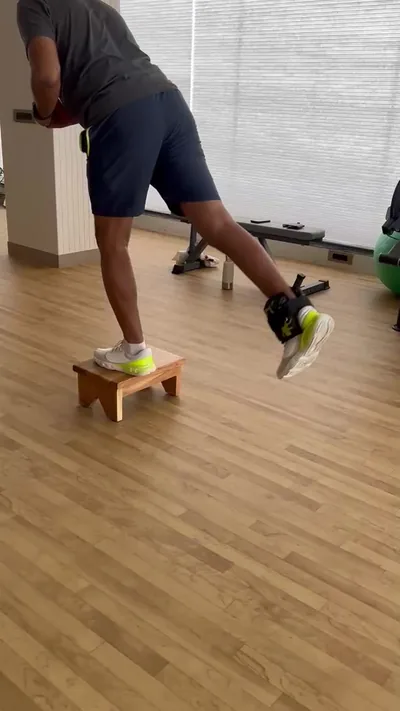
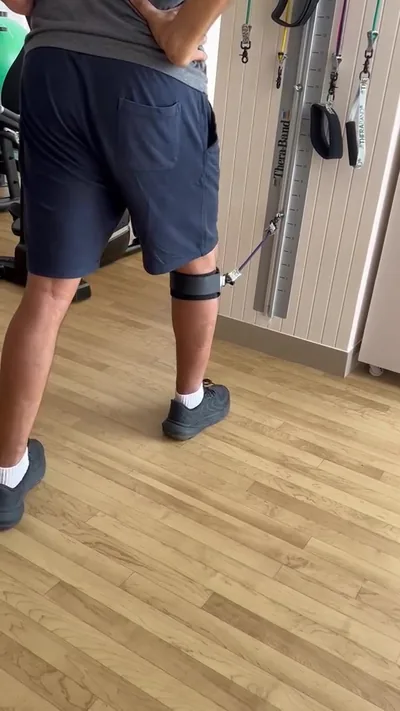
Backward Walking in ACL Rehab Phase 2
Backward walking helps athletes recover from ACL injuries. It builds knee stability in Phase 2 of rehab. This exercise targets quadriceps and improves control after surgery…
Read article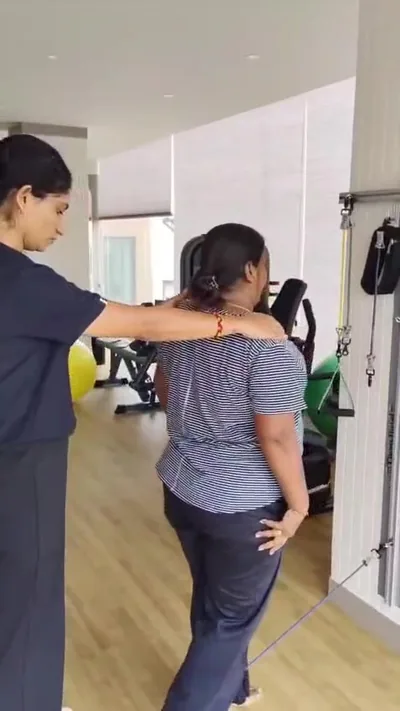

A slipped disc at L4-L5 limits forward bending. This happens when the disc between the fourth and fifth lumbar vertebrae bulges or herniates. It can press on nerves, causing back pain or sciatica.
Forward flexion increases disc pressure. Safe movements avoid worsening pain. This guide shares rules for daily bending.
Get an in-person check. Recovery varies. These tips support movement while you seek care.
The spine has 24 vertebrae. L4 and L5 are in the lower back above the sacrum. A disc cushions them with a soft centre and firm outer ring. This level bears body weight and movement stress, especially during bending or twisting.
A slipped disc means the centre pushes out, called disc bulge or herniation. Forward bending compresses the front and bulges the back towards the spinal canal. This can touch the L5 nerve root to the leg.
Symptoms include sharp back pain on bending. Sciatica may cause leg pain, numbness or tingling in buttock, thigh or foot. Bending to tie shoes or pick items triggers it. Pain eases lying flat but returns with waist bend.
A physiotherapist assesses posture, movement, pain radiation and leg strength for tailored advice. They check straight leg raise test: lie back, lift one leg straight. Pain at 30-70 degrees suggests nerve involvement from L4-L5 issue.
Forward flexion raises disc pressure. It triples when bending from standing. Ligaments tighten, squeezing the disc. This thins the front and enlarges the back bulge towards nerves. Disc herniation bending adds shear force, pulling the outer ring further. Looking for a Physiotherapy Clinic Near Me? Our team in Vaishali Nagar, Jaipur can assess you in person.
This worsens herniation pain. Repeated bends cause inflammation and spasms. Erector spinae muscles tighten to limit motion. Forward flexion slipped disc flares build if you garden or wash floors without breaks.
Flares occur during sweeping or loading a scooter. Ignoring twinges builds pain and reduces activity. Lower back disc pain bending signals disc fluid shifting, pressing sensitive structures.
Signs of unsafe bending:
Stop and rest if these appear. Lie on back with knees bent. Seek help for severe signs like cauda equina, which needs urgent medical review.
Use hip hinging: bend at hips, keep back straight, tighten core by drawing belly to spine. Keep spine neutral like a table top—no arch or round.
Physiotherapist teaches: practice against wall, feet shoulder-width, back flat, slide hands down legs. Progress to free standing with mirror. For L4-L5 disc bulge, they watch for any side shift or twist.
Limit to 5-10 bends per hour. Walk every 30 minutes to unload discs. Avoid twisting while bent—face your task squarely.
Adapt home: raise racks or baskets to waist height, use long-handled mop or duster. Ask help for heavy floor work like scrubbing. In kitchen, pull stool close before reaching low shelves. More on Ankle Pain Treatment and how we assess it.
On stairs, hold rail, step fully with back straight. In cars, pivot shoulders square, slide butt-first—lead with hips. Use adjustable desks set to elbow height. For office, stand hourly using hip hinge to rise.
Avoid triggers like sneezes—support back with hands on thighs. Cough into pillow on bed. Sleep side with pillow between knees to keep spine aligned. If back sleeping, place pillow under knees.
Safe movements slipped disc include squatting with wide feet for stability, but only if pain-free. Test daily: try three slow hip hinges, note any leg referral.
Gentle exercises build core and flexibility. Start pain-free, stop if pain increases. Use firm mat, breathe steadily—exhale on effort.
Stand tall, weight even on heels and toes. Sit with lumbar support like rolled towel to reduce stress. Progress bending tolerance by adding holds.
Physiotherapist ensures form, combines with Orthopaedic Rehabilitation.
Do twice daily under guidance. Track bending range weekly: measure degrees with phone app or mark on wall. Add one repeat weekly if no pain.
A physio starts with full exam: watches your bend from side and back, notes asymmetry. Palpates L4-L5 area for tenderness, tests reflexes in knee and ankle for nerve issues. You may also find L4 L5 Slipped Disc Side Bending Exercises at Home useful.
They grade your hip hinge: score form on straightness, core use, pain. Teach neutral spine feel—place fingers on lower back bumps, keep distance constant during move.
For forward flexion slipped disc, they use repeated movements: alternate bend and extend to centralise pain (shift from leg to back). Guide safe progression: wall slides to freestanding to loaded hinge with light bag.
Disc herniation bending risks get hands-on checks: simulate daily tasks like picking a phone, adjust technique live. Home log: note bends, pain scale 0-10, triggers.
Expect 30-45 minute sessions: 10 minutes assessment, 20 treatment, 10 home plan. Weekly tweaks based on your report.
See physio for pain over two weeks, leg weakness, bladder loss or night pain. Also if bending worsens despite rest, or avoid bending slipped disc limits work.
Assessment tests range, strength, nerves and muscle tightness. Plans fit your job—like scooter loading for riders or desk bends for office workers.
At Trivayu Physio Center in Vaishali Nagar, Jaipur, Dr. Jyoti Choudhary treats cases. Manual Therapy eases muscles. Electrotherapy reduces pain. Sessions 30-45 minutes, twice weekly first.
First visit: history, tests, same-day treatment if suitable, home exercises with photos or video. Checks every two weeks, adjust for progress.
Limit bends. Hip hinge, partial range. Full bends risk pain or worsening.
20-30 degrees pain-free. Fewer bends. Core brace, straight back.
Hinge hips. Core on. Load close. Avoid flares. Practice daily.
Acute pain, sciatica, weakness. Rest supine, get assessed.
Bridges, bird-dog, press-ups. Gentle stretches. Slow under guidance.
Yes for persistent. Targeted relief. Assess for custom plan.
Radiates to buttock or thigh via nerve. Physios test to confirm.
Follow guidelines for daily bending. Build habits. Combine with professional care. Track in journal: date, task, pain level, technique used.
Book at Trivayu Physio Center. Call +91 90570 65065 or WhatsApp link.
Physiotherapy is not the right first step for everything. Seek medical assessment promptly if any of the following apply to you:
If you lose control of your bladder or bowels, develop numbness around the groin, or have chest pain or breathlessness, treat it as an emergency and go to hospital.
Truly thankful to Dr. Jyoti Choudhary and the entire team of Trivayu Physio Centre for their genuine care, humble behaviour, and excellent treatment.
Mahesh Dhaka, Google review
This is one patient's own account, published with consent on our reviews page. It describes their experience, not a predicted outcome. Individual results vary.
Backward walking helps athletes recover from ACL injuries. It builds knee stability in Phase 2 of rehab. This exercise targets quadriceps and improves control after surgery…
Read articleAfter ACL surgery, rebuilding knee strength takes time and care. ACL rehabilitation phases guide this process step by step. Phase 1 protects the graft and cuts…
Read articleAfter hip replacement surgery, dressing your lower body safely helps build independence. By week 6 of hip replacement recovery, many patients aim to dress without help.…
Read articleMessage us on WhatsApp with your main concern and preferred time, and we'll confirm your first visit the same day.