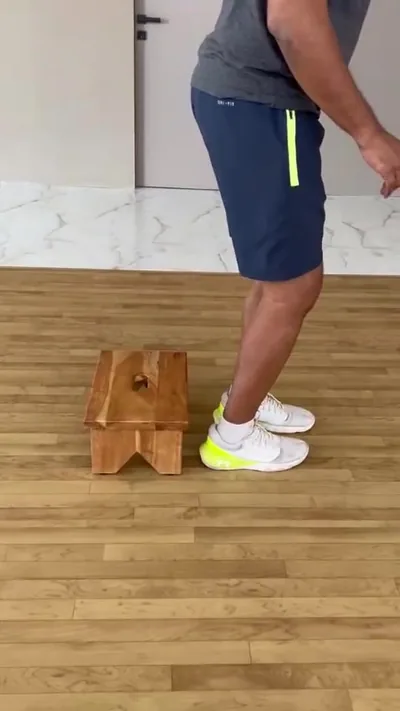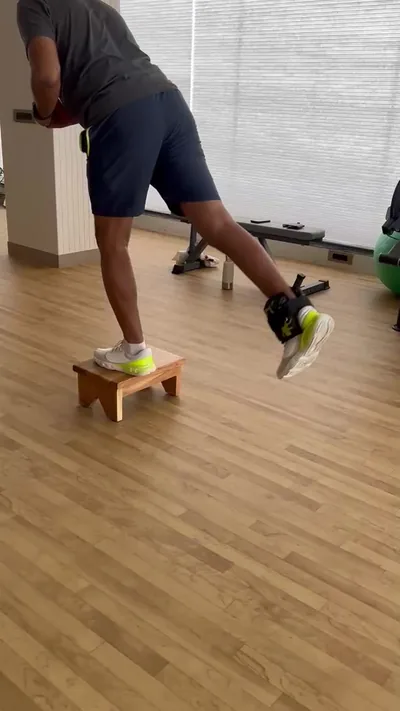
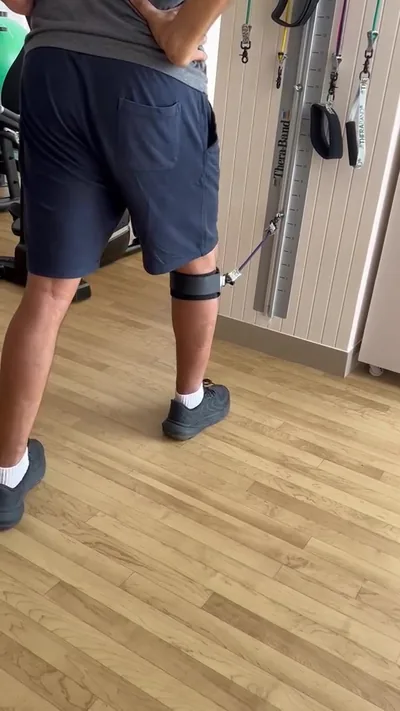
Backward Walking in ACL Rehab Phase 2
Backward walking helps athletes recover from ACL injuries. It builds knee stability in Phase 2 of rehab. This exercise targets quadriceps and improves control after surgery…
Read article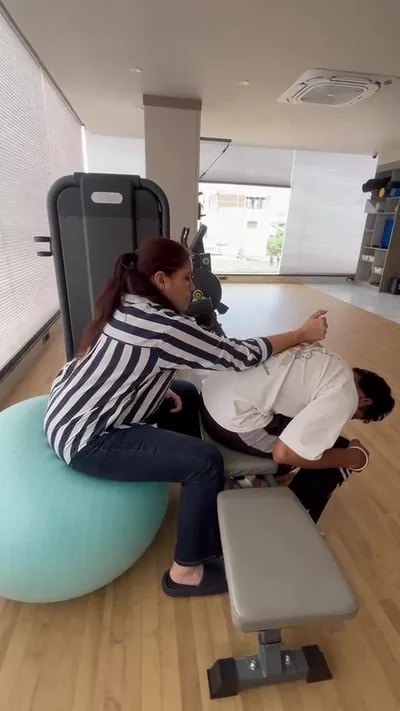

An L4-L5 slipped disc happens when the disc between your fourth and fifth lumbar vertebrae bulges or presses on nerves. This causes lower back pain, sciatica or leg pain. Rest calms irritation first. Then gentle exercises like side bending aid recovery. These build mobility without strain. Home exercises support professional care but never replace it. Get an in-person assessment first.
Side bending targets spine’s lateral movement. It suits L4-L5 disc bulge by easing tightness on one side. A physiotherapist checks posture and movement before suggesting it. They assess if the bulge is central or to one side. This guides safe home practice. Trivayu Physio Center in Vaishali Nagar, Jaipur provides these checks.
These exercises focus on gentle L4-L5 rehab after rest. They aim for pain relief from disc pressure. Follow steps closely. Stop any that increase symptoms. A physio explains your body’s response during sessions.
The L4-L5 area bears body weight during sitting, standing and lifting. A disc bulge disrupts movement. Pain may shoot to hips, buttocks or legs from nerve pressure, especially sciatic nerve. Rest reduces swelling first. Lie on back with knees bent or use firm surface. This unloads the disc. Rest lasts days to weeks based on irritation.
Gentle progression follows rest. Start with neutral positions like lying on back. Exercises restore flexibility and strength around spine. Side bending eases stiffness safely. Safe disc bulge exercises avoid forward folds or twists. They promote healing without overload. A physiotherapist tests range first, then builds from there. Looking for a Physiotherapist in Jaipur? Our team in Vaishali Nagar, Jaipur can assess you in person.
Strengthening aids long-term relief. Weak core or glute muscles strain spine. Build them after mobility improves. Never self-diagnose a bulge level. Book in-person assessment. A physiotherapist uses hands-on tests to tailor a plan. This avoids harm from wrong moves.
Side bending improves side-to-side spine mobility. It stretches tight muscles around L4-L5, such as quadratus lumborum. This aids disc bulge home exercises after rest. Stability grows as core engages during hold. A physio uses it to counter forward slump from pain.
These moves fit post-rest disc progression. They counter forward bending habits that worsen bulges. Benefits include better posture and less pain. Sciatica relief exercises include them to free nerve paths. A physio watches breathing and alignment first. More on Ankle Pain Treatment and how we assess it.
Precautions matter at home. Stop if pain increases beyond mild stretch. Breathe steadily through nose. Move slowly within comfort. Avoid if numbness, weakness or bowel changes exist. A physio teaches these checks.
Start on firm surface like yoga mat. Aim for 5-10 reps per side, 1-2 times daily after rest. Breathe out on bend, in on return. A physiotherapist demonstrates form.
If seeing a physiotherapist, Manual Therapy may prepare tissues through hands-on release.
Begin basic holds once acute pain settles. Advance when pain-free for a week and moves easy. Add light therapy band or holds to 20 seconds. Progress to strengthening like bird-dog. A physio monitors pace.
Signs to stop: Sharp pain, tingling increase, fatigue. Combine with posture work. Stand tall, weight even on feet. Orthopaedic Rehabilitation guides this with checks.
Progression: Mobility, stability, strength. Start with 5-10 minute walks. Track bend range without pain.
Extend beyond side bends. Add pelvic tilts: knees bent, tilt to flatten back, hold 5 seconds, 10 reps. Stabilises L4-L5. For sciatica, prone on elbows: stomach down, prop on forearms, hold 10-20 seconds. Eases nerve glide. You may also find Slipped Disc L4 L5 Core Exercises at Home useful.
Expect mild warmth after. A physio integrates into rehab, tests leg strength. Home versions suit daily use; clinic oversight prevents setbacks.
Red flags need urgent doctor: Bladder/bowel loss, severe leg weakness, constant leg numbness, pain unrelieved by rest.
Professional guidance speeds recovery. Robotic Spinal Decompression Therapy unloads disc. TECAR Therapy reduces inflammation. At Trivayu Physio Center, Vaishali Nagar or Vidyadhar Nagar, experts like Dr. Jyoti Choudhary create plans. Home visits and online consultations available. Electrotherapy calms nerve pain before exercises.
Staff explain treatments, show home setup, adjust based on feedback.
Do daily at set times. Warm up with 5-minute walks. Track pain (0-10 scale) before/after. Mild soreness okays progress; sharp pain means rest 1-2 days.
Habits: Lift with knees bent, core tight. Sleep side-lying with pillow between knees, firm mattress. Sit with lumbar roll. Stand every 30 minutes. Improvement takes weeks. Clinic’s Pain Management integrates exercises.
Yes, if gentle, pain-free, post-rest. Get physio check for bulge side and severity. Avoid if red flags.
Lateral spine flexion that stretches side muscles. Improves mobility for L4-L5 disc bulge.
After acute pain eases, 48 hours to 2 weeks. Consult physio for timing.
Rarely if gentle within comfort. Overdo or ignore pain, yes. Stay slow.
1-2 times daily, 5-10 reps. Rest if sore over 24 hours.
Add nerve glides, but see physio. They test nerve mobility.
These exercises build resilience. Progress steadily for relief. Book assessment at Trivayu Physio Center. WhatsApp or call +91 90570 65065.
Physiotherapy is not the right first step for everything. Seek medical assessment promptly if any of the following apply to you:
If you lose control of your bladder or bowels, develop numbness around the groin, or have chest pain or breathlessness, treat it as an emergency and go to hospital.
Truly thankful to Dr. Jyoti Choudhary and the entire team of Trivayu Physio Centre for their genuine care, humble behaviour, and excellent treatment.
Mahesh Dhaka, Google review
This is one patient's own account, published with consent on our reviews page. It describes their experience, not a predicted outcome. Individual results vary.
Backward walking helps athletes recover from ACL injuries. It builds knee stability in Phase 2 of rehab. This exercise targets quadriceps and improves control after surgery…
Read articleAfter ACL surgery, rebuilding knee strength takes time and care. ACL rehabilitation phases guide this process step by step. Phase 1 protects the graft and cuts…
Read articleAfter hip replacement surgery, dressing your lower body safely helps build independence. By week 6 of hip replacement recovery, many patients aim to dress without help.…
Read articleMessage us on WhatsApp with your main concern and preferred time, and we'll confirm your first visit the same day.