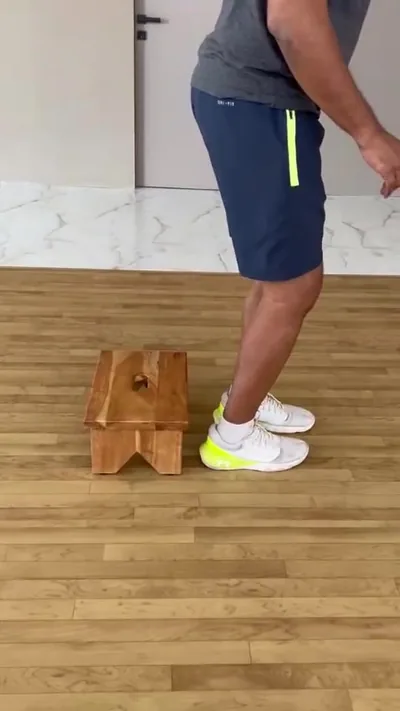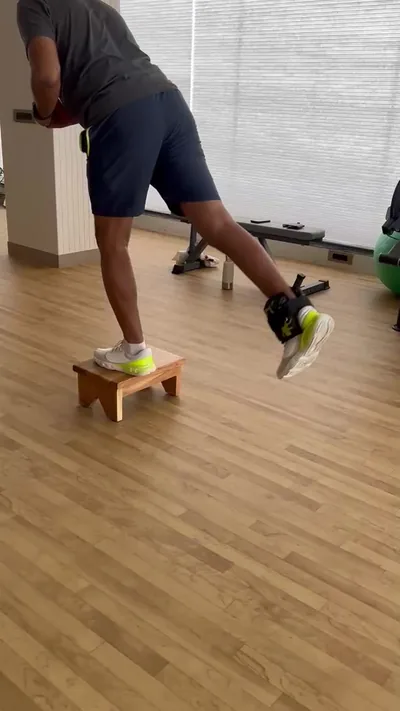
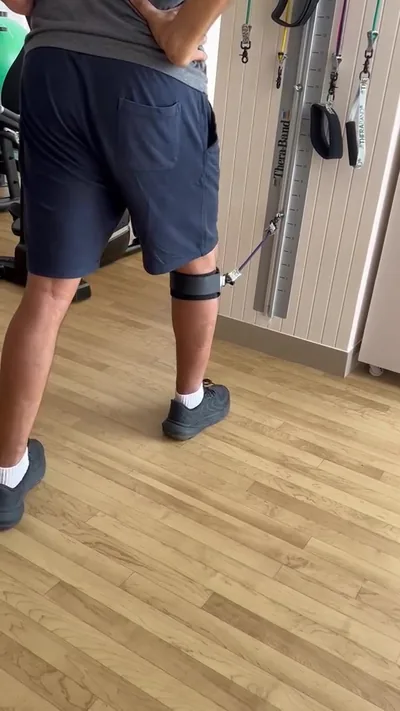
Backward Walking in ACL Rehab Phase 2
Backward walking helps athletes recover from ACL injuries. It builds knee stability in Phase 2 of rehab. This exercise targets quadriceps and improves control after surgery…
Read article

After hip surgery, such as hip replacement, your wound needs close watch. Infections can happen. Spotting hip surgery wound infection early helps avoid bigger problems. This guide covers post hip surgery infection signs and daily checks.
You can do simple self-checks at home. Know when to call your physio. At Trivayu Physio Center in Vaishali Nagar or Vidyadhar Nagar, Jaipur, we support post-surgery recovery. Always see your doctor for any worry, as physio works alongside medical care.
These steps focus on hip replacement wound care. They aid your rehab but do not replace doctor visits. Early action matters for safe healing.
Hip surgery opens the skin and joint area. Bacteria can enter the wound. This raises risk of infection, especially in the first weeks after surgery.
Common risks include poor hygiene, weak immune system, or touching the wound with dirty hands. Diabetes or smoking can add to this risk. Early detection stops infection from spreading to the joint or blood.
Your physio spots changes during sessions but cannot diagnose. They check how the wound looks as part of rehab. Book an in-person assessment at Trivayu Physio Center for proper review. Expect a gentle look at the wound site, questions about symptoms, and checks on hip movement.
Check your hip wound every day. Do this in good light. Use a mirror or ask family for help. Wash hands first with soap and water. Dry them well. Looking for a Physiotherapy Clinic Near Me? Our team in Vaishali Nagar, Jaipur can assess you in person.
Follow these steps for post surgery wound check:
Do checks at the same time each day, like morning. Note changes in a diary. Write the date, what you see, and how you feel. This daily wound monitoring helps you stay alert and share details with your doctor or physio.
If you cannot see the wound well, take photos in good light. Show them at your next visit. Keep dressings clean and dry between checks.
Normal healing brings mild redness and soreness that fades over days. Infection signs worsen or appear new. They need quick action.
Main joint replacement infection symptoms include:
These differ from normal healing. Normal wounds dry up, form a crust, and itch a bit as they close. Infection signs like spreading redness or hot skin need quick attention. Track them during daily checks. Note if one sign pairs with others, like fever and pus.
Contact Trivayu Physio Center right away if you see worry signs. Call +91 90570 65065 or WhatsApp via https://wa.me/919057065065. We are at 204, 2nd Floor, Om Tower, Gandhi Path Road, Nemi Nagar, Vaishali Nagar, Jaipur, or Vidyadhar Nagar, Rangoli Gardens.
Triggers to call include new redness, pus, fever, or rising pain. Also call for bad smell, growing swelling, or chills. Do not wait for all signs to appear. One change is enough. More on Ankle Pain Treatment and how we assess it.
Your physio can assess the wound during Post-Surgery & Joint Replacement Rehab. We check mobility, skin condition, and how you walk. Expect questions like “When did the redness start?” or “Does it hurt to press here?” This supports your recovery but leads to your doctor if needed. Stress an in-person visit. Bring your diary and photos.
Good habits lower infection risk. Keep the wound dry and clean. Follow surgeon rules on dressings. Change them as told, using clean technique.
During physiotherapy, we use Manual Therapy to aid healing without strain. Your physio shows safe moves, like hip slides on the bed. Lie on back, slide heel towards you, then out. Stop if pain increases. Keep follow-up appointments. Contact us for guidance on safe moves.
In early physio, first session checks your wound and range. We guide gentle exercises, like ankle pumps to boost blood flow. This cuts swelling risk. Later, add standing shifts. Always warm up first.
Early signs include redness around hip wound that spreads, warmth to touch, mild swelling, or thin discharge. Watch for fever after hip replacement or pain increasing post surgery too. Check daily.
Check once daily or as your surgeon says. More if you notice changes. Use the steps above for safe self-checks. Log details in a diary. You may also find Week 3 Knee Replacement Wound Infection Signs to Check useful.
Call if pain increases post surgery, pus appears from incision, fever starts after hip replacement, or redness grows around hip wound. Also for bad smell, big swelling after hip surgery, or chills. Reach Trivayu Physio Center on +91 90570 65065.
Some redness near the wound is common at first. It should fade in days and stay small. If it spreads, pairs with warmth or pus from incision, call your doctor or physio.
A bad smell signals infection. Do not ignore it. Cover the area loosely. Contact your surgeon and physio at once. Keep the area dry until seen. Note other signs like fever.
Physio checks the wound look and feel during sessions. We note changes and guide rehab moves that protect healing skin. Book in-person for full review, not just phone advice.
Ask your surgeon first. Often, cover dressing with plastic during shower. Pat dry, do not rub. Check wound after for wetness or redness.
Spotting hip surgery wound infection signs early aids recovery. Do daily checks and act fast on changes. Trivayu Physio Center supports your post-surgery rehab in Jaipur.
Book an assessment today. Call +91 90570 65065 or WhatsApp https://wa.me/919057065065. Visit our Vaishali Nagar or Vidyadhar Nagar locations for in-person care.
Physiotherapy is not the right first step for everything. Seek medical assessment promptly if any of the following apply to you:
If you lose control of your bladder or bowels, develop numbness around the groin, or have chest pain or breathlessness, treat it as an emergency and go to hospital.
Truly thankful to Dr. Jyoti Choudhary and the entire team of Trivayu Physio Centre for their genuine care, humble behaviour, and excellent treatment.
Mahesh Dhaka, Google review
This is one patient's own account, published with consent on our reviews page. It describes their experience, not a predicted outcome. Individual results vary.
Backward walking helps athletes recover from ACL injuries. It builds knee stability in Phase 2 of rehab. This exercise targets quadriceps and improves control after surgery…
Read articleAfter ACL surgery, rebuilding knee strength takes time and care. ACL rehabilitation phases guide this process step by step. Phase 1 protects the graft and cuts…
Read articleAfter hip replacement surgery, dressing your lower body safely helps build independence. By week 6 of hip replacement recovery, many patients aim to dress without help.…
Read articleMessage us on WhatsApp with your main concern and preferred time, and we'll confirm your first visit the same day.