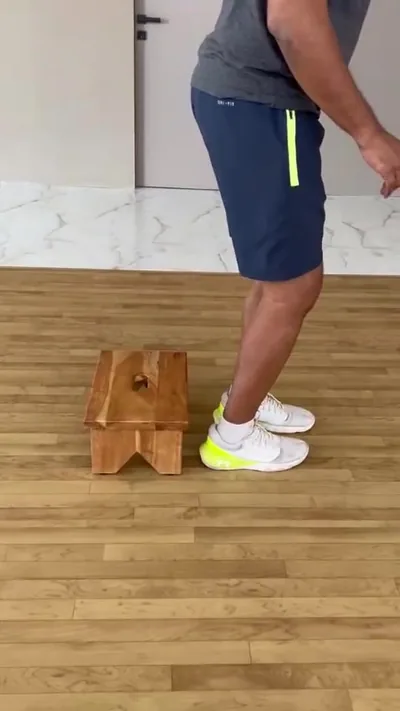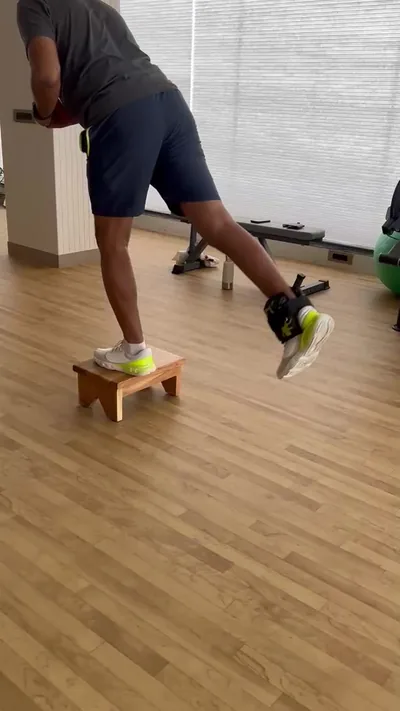
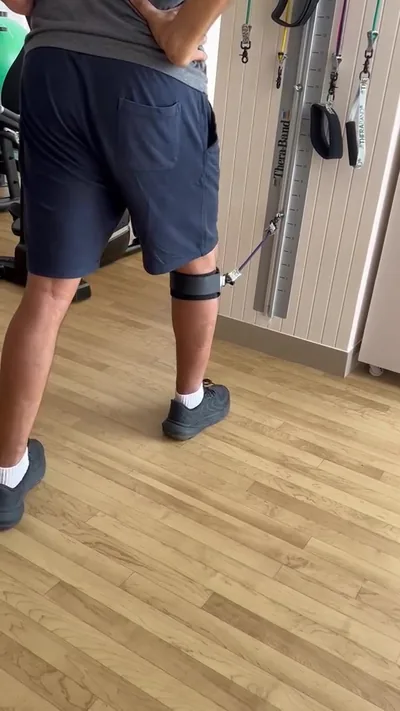
Backward Walking in ACL Rehab Phase 2
Backward walking helps athletes recover from ACL injuries. It builds knee stability in Phase 2 of rehab. This exercise targets quadriceps and improves control after surgery…
Read article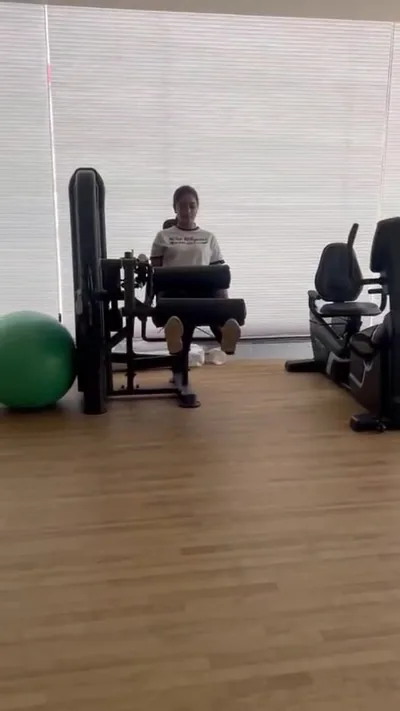

Knee replacement surgery helps regain mobility. Infections can occur post-surgery. Week 3 is key for healing. Spot signs early for better management.
Home monitoring tracks changes. This guide covers infection signs after knee surgery, before seeing a physiotherapist. Seek professional assessment for concerns.
Trivayu Physio Center in Vaishali Nagar and Vidyadhar Nagar supports post-surgery rehab.
Infections occur when bacteria enter the site, from skin or during healing. Week 3 often sees stitches removed, raising risk if care slips. Bacteria thrive in moist areas or if dressings loosen. Poor blood flow from limited movement can slow healing and invite germs.
Early spotting prevents spread. Physiotherapists assess wounds and refer if needed. They check pain, temperature, and incision. During a visit, expect them to ask about onset of symptoms, recent activities, and any home care changes. They palpate gently around the knee to feel for tender spots or fluid pockets without pressing the incision directly.
Watch for these signs. Track changes daily. Note how they progress over hours or days.
Log details. Multiple signs demand action. Single signs may need watch; two or more call for prompt check.
Use good light and mirror. Wash hands first. Sit comfortably with leg supported.
Share log with physiotherapist at Trivayu. Keep a notebook or app for trends; patterns like rising fever show issues faster than one-off checks.
Seek urgent check for pus, fever, or spreading redness. Call same day if warmth spreads or pain jumps 2+ points on your scale.
For doubt or worsening signs, contact Trivayu. They assess and refer if needed. Locations in Vaishali Nagar and Vidyadhar Nagar. Home visits include wound checks. Expect physio to review your log first, then examine: they lift dressing carefully, note drainage, and test knee stability without stressing the wound. Looking for a Physiotherapist Near Me? Our team in Vaishali Nagar, Jaipur can assess you in person.
Physio approach starts with history: when did redness start? Any recent falls or skin breaks elsewhere? They measure limb girth bilaterally to quantify swelling asymmetry. If infection seems likely, they stop exercises and advise doctor visit while guiding safe positioning.
Follow surgeon instructions first. Adapt as healing progresses.
Electrotherapy aids healing later, after clearance. Manual Therapy helps restore joint glide once infection risk passes. Orthopaedic Rehabilitation builds strength safely post-clearance.
Bring log and photos. Physio inspects wound under good light, measures swelling with tape at mid-thigh, knee, and calf. Checks temperature with skin thermometer if available. More on Knee Pain Treatment and how we assess it.
They guide exercises like ankle pumps—point and flex foot 10 times hourly—to boost circulation without knee strain. Quad sets: tighten thigh muscle 5 seconds, 10 reps, if no pus present. You may also find Week 3 Wound Infection After Knee Replacement Jaipur useful.
For swelling or warmth, advise compression bandage from toes to knee, fitted snug but not tight. Refer if pus or fever; they note details for your surgeon.
If clear, physio tests range: gentle knee bend while seated, heel slides on bed. Progress to standing if stable. They teach gait with crutches, ensuring even weight shift.
Set a daily schedule: morning check after waking, evening before bed. Week 3 focus: stitches out means more exposure, so double-check after removal.
Position for inspection: lie flat, prop with pillows, use hand mirror for back of knee. Track weight-bearing tolerance: distance walked without limp.
If alone, use video call for remote physio review at Trivayu. Show wound live, follow their cues for measurements.
Redness, warmth, swelling, pus, fever, increasing pain. Watch for combo like redness plus pus.
Faint line yes; spreading no. See physio if wide or tender to touch.
If sudden or hot. Physio checks buildup, rules out clot vs infection.
Possible infection. Seek help fast, note details like colour and smell.
Yes, over 38°C. Log symptoms, note chills or sweats.
Daily checks, temperature, pain scores, photos. Compare to unaffected leg.
Yes, assess and refer if needed. They guide monitoring till cleared.
Contact Trivayu; they assess joint and muscles, check for fluid or stiffness.
Inspect, measure spread, advise care, refer if needed. Teach elevation techniques.
Daily logs build picture. Physio uses them to spot trends like slow-spreading warmth.
Any pus, fever, or two signs together. They prioritise urgent slots.
Stay alert to infection signs. Home checks help catch issues. Professional assessment ensures recovery. Follow up even if signs fade—week 3 shifts need review.
Book at Trivayu Physio Center. WhatsApp or call +91 90511 65065.
Physiotherapy is not the right first step for everything. Seek medical assessment promptly if any of the following apply to you:
If you lose control of your bladder or bowels, develop numbness around the groin, or have chest pain or breathlessness, treat it as an emergency and go to hospital.
Truly thankful to Dr. Jyoti Choudhary and the entire team of Trivayu Physio Centre for their genuine care, humble behaviour, and excellent treatment.
Mahesh Dhaka, Google review
This is one patient's own account, published with consent on our reviews page. It describes their experience, not a predicted outcome. Individual results vary.
Backward walking helps athletes recover from ACL injuries. It builds knee stability in Phase 2 of rehab. This exercise targets quadriceps and improves control after surgery…
Read articleAfter ACL surgery, rebuilding knee strength takes time and care. ACL rehabilitation phases guide this process step by step. Phase 1 protects the graft and cuts…
Read articleAfter hip replacement surgery, dressing your lower body safely helps build independence. By week 6 of hip replacement recovery, many patients aim to dress without help.…
Read articleMessage us on WhatsApp with your main concern and preferred time, and we'll confirm your first visit the same day.