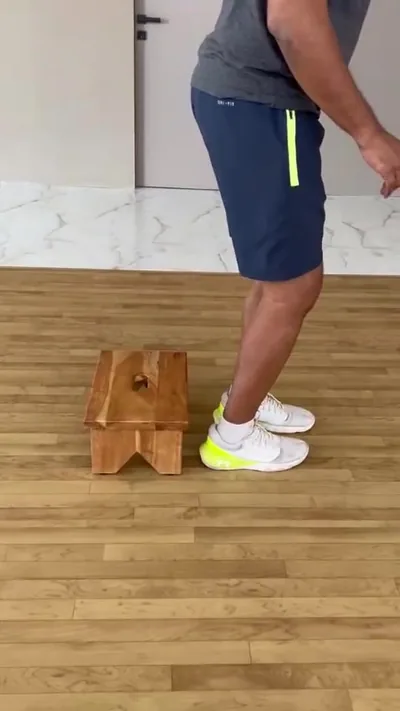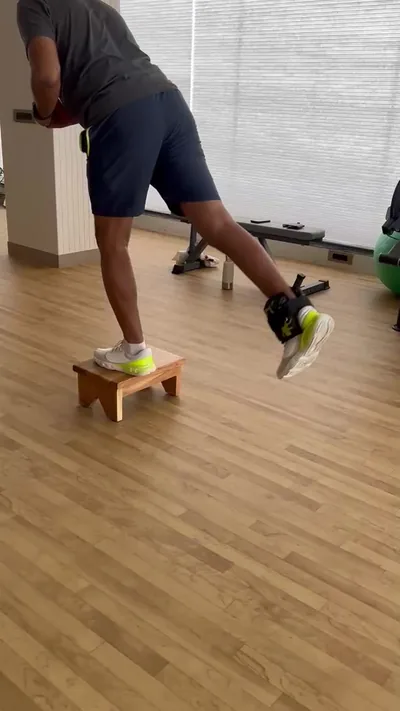
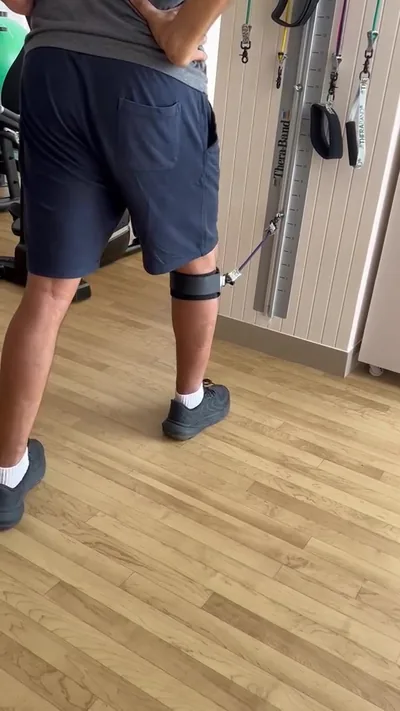
Backward Walking in ACL Rehab Phase 2
Backward walking helps athletes recover from ACL injuries. It builds knee stability in Phase 2 of rehab. This exercise targets quadriceps and improves control after surgery…
Read article

Sciatica causes sharp pain down one leg from the lower back. It happens when the sciatic nerve gets irritated, often from a slipped disc or tight muscles. For beginners, gentle walks build strength without worsening pain.
Walking improves blood flow, reduces stiffness, and supports the spine. New patients find pain-free walking eases discomfort. Start slow to match your body’s limits. A physiotherapist checks posture and movement to spot habits that press on the nerve.
These tips focus on safe walking with sciatica. Check with a doctor first if pain is severe. Expect a physio to ask about pain triggers, test leg strength, and suggest tweaks before walks.
Sciatica is nerve pain from lower back to buttock and leg. It feels like tingling, burning, or shooting pain. Causes include disc problems or spinal pressure. Sciatica leg pain often flares with steps that jolt the back. Looking for a Physiotherapist in Jaipur? Our team in Vaishali Nagar, Jaipur can assess you in person.
Gentle walking moves the spine without strain. It improves circulation and strengthens core muscles. Over time, this reduces leg pain. Walking loosens tight piriformis muscle, which can pinch the nerve.
For new patients, short walking sessions reduce tightness and improve mobility. It fits daily life without equipment. A physio starts with your history: when pain started, what makes it worse.
Begin with short distances on flat ground. Start with 5 minutes or 200-300 steps. This allows pain-free walking from the first try. Choose smooth paths without slopes or uneven spots. More on Ankle Pain Treatment and how we assess it.
Progress by adding 1-2 minutes every few days if no pain returns. Listen to body signals: mild warmth is fine, sharp pain means stop. If leg pain builds after 100 steps, cut back.
Build slow walking habits. Rest if leg numbness grows. Wear supportive shoes with heel cushion.
Slow pace is key. Aim for a stroll where you can talk easily, about 2-3 km per hour. This avoids jolt to the nerve. If breathing hard, slow down.
Breathe deeply: inhale for two steps, exhale for two. Relax shoulders. Stop if pain spikes. Pause every 2-3 minutes: stand still, shift weight side to side. You may also find Sciatica Safe Walking Distance Week by Week useful.
This prevents flare-ups. Pair with rest days. Hydrate before and after.
Good posture reduces nerve pressure. Stand tall, head over shoulders, chin tucked. Pull belly button in lightly for core support.
Place feet straight ahead, heel to toe roll. Bend knees slightly. Swing arms opposite legs. Keep hips level.
Practice in a mirror. A physio uses hands-on cues to correct tilt.
This plan starts gentle walks over two weeks, 4-5 days a week. Include warm-up and cool-down.
Warm-up: March in place 2 minutes, leg swings 10 times each. Cool-down: Stretch hamstrings by bending forward from hips, hold 20 seconds per leg. Follow with seated forward bend.
Track distance, pain level 0-10 before/after, tingling. Adjust based on feel.
If pain shoots to calf or foot, shorten steps. Walk with affected leg slightly behind.
Choose mornings or evenings based on stiffness. Avoid after heavy meals. If pain in thigh, flex foot upward mid-walk.
Build to 20-30 minutes over months if consistent.
Controlled movement: heel strikes softly, roll to big toe push-off. Keep step length short.
Focus on rhythm: left-right steady. If back tightens, hum a slow tune. Turn by pivoting on toes.
Physios teach this to retrain gait. Electrotherapy can calm nerve signals if needed.
Pair walks with bridge hold: lie back, lift hips 5 seconds, 5 times. Knee-to-chest pull: hug one knee 20 seconds, switch.
Cat-cow on all fours: arch and round back 5 times. Do post-walk if pain low.
A physio tailors after checking flexibility. Stop if pulls nerve.
Seek physio if pain lasts over two weeks, worsens at night, or spreads to both legs. Numbness in saddle area or bladder issues need urgent care. Weak foot drop needs quick check.
At Trivayu Physio Center in Vaishali Nagar, Jaipur, experts like Dr. Jyoti Choudhary guide rehab. Manual Therapy eases nerve tension. Orthopaedic Rehabilitation rebuilds walking patterns.
Expect hands-on checks, posture analysis, home plan. Locations at Om Tower, Gandhi Path Road, or Vidyadhar Nagar. Book in-person for tailored plans.
Start with 5 minutes or 200-300 steps on flat ground. Increase only if pain-free next day. Build over weeks.
Slow stroll where you can chat. About 2-3 km per hour. Shorter steps help.
Stop if sharp pain, numbness, or tingling starts or grows. Rest and note trigger. Retry shorter.
Yes, if too fast, long, or poor posture. Stick to gentle starts. Posture fixes matter.
Stand tall, core engaged, feet straight, arms swinging. Avoid slouching or twisting. Chin tucked.
Shorten steps, pause often, flex foot up. Rest elevated if numb. Heat before, ice after if swollen.
Gentle walks build confidence. Progress matches recovery. Pain relief comes with consistency. A physio refines for your body.
Book an assessment at Trivayu Physio Center today. WhatsApp or call +91 90570 65065 for help.
Physiotherapy is not the right first step for everything. Seek medical assessment promptly if any of the following apply to you:
If you lose control of your bladder or bowels, develop numbness around the groin, or have chest pain or breathlessness, treat it as an emergency and go to hospital.
Truly thankful to Dr. Jyoti Choudhary and the entire team of Trivayu Physio Centre for their genuine care, humble behaviour, and excellent treatment.
Mahesh Dhaka, Google review
This is one patient's own account, published with consent on our reviews page. It describes their experience, not a predicted outcome. Individual results vary.
Backward walking helps athletes recover from ACL injuries. It builds knee stability in Phase 2 of rehab. This exercise targets quadriceps and improves control after surgery…
Read articleAfter ACL surgery, rebuilding knee strength takes time and care. ACL rehabilitation phases guide this process step by step. Phase 1 protects the graft and cuts…
Read articleAfter hip replacement surgery, dressing your lower body safely helps build independence. By week 6 of hip replacement recovery, many patients aim to dress without help.…
Read articleMessage us on WhatsApp with your main concern and preferred time, and we'll confirm your first visit the same day.