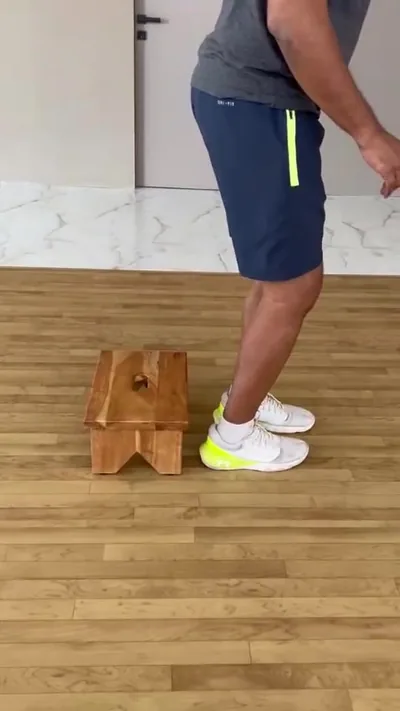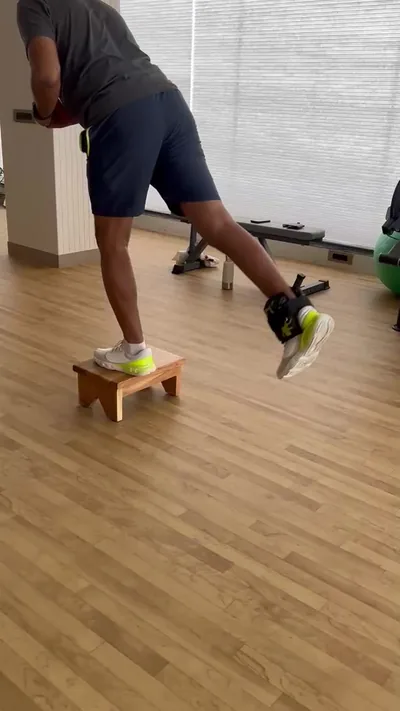
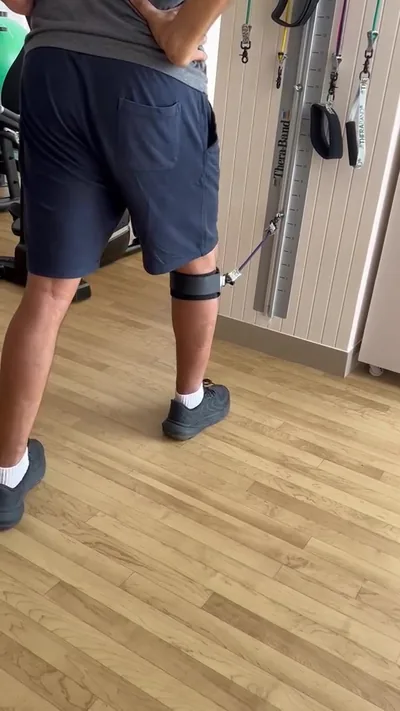
Backward Walking in ACL Rehab Phase 2
Backward walking helps athletes recover from ACL injuries. It builds knee stability in Phase 2 of rehab. This exercise targets quadriceps and improves control after surgery…
Read article

Sciatica causes pain along the sciatic nerve from lower back to leg. This limits walking distance. Building tolerance aids recovery but needs care. A physiotherapist assesses nerve irritation, leg strength, and posture for safe progress. They check how pain changes with steps, balance during strides, and muscle tightness that pulls on the nerve.
Safe walking distance varies by pain, strength, and posture. Start slow. Progress week by week. Listen to your body. Pain worsens on uneven ground or fast pace. Uneven surfaces jar the nerve root. Fast steps increase pressure on the spine.
A plan combines short walks with rest. This builds strength without irritation. Physiotherapy ensures safe progress. Initial assessment checks gait, nerve sensitivity, and pain triggers. The physio watches you walk, notes limp or hesitation, and tests leg lift height.
Sciatica irritates the sciatic nerve from lower back through hips to legs. Pressure from slip disc, tight muscles, or spine issues triggers pain. Disc bulge presses the nerve exit point. Tight piriformis muscle in the buttock squeezes it.
Nerve pain shoots down the leg per step. Leg weakness adds challenge. Poor posture worsens pressure. Tight piriformis or hamstrings pull on nerve root. Forward lean shifts weight to the sore side.
Pain levels set safe distance. Sharp pain means stop. Fatigue or numbness limits steps. Age and fitness affect it. Track pain site in buttock, calf, or foot. Note if it builds after 50 steps or sudden twists.
Sciatica pain walking feels like burning, tingling, or electric shocks. It flares with hip rotation or toe-off phase of gait. Weak glutes fail to stabilise the pelvis, increasing nerve tug. Looking for a Physiotherapist in Jaipur? Our team in Vaishali Nagar, Jaipur can assess you in person.
Start with 5-10 minute walks on flat surfaces. Stop if pain rises above mild. Use even paths like park sidewalks. Choose early morning when paths are clear.
Rest at sharp twinges or leg heaviness. Gentle movement aids healing; overdoing irritates. Shift weight evenly between legs to reduce pinch. Pause every 2 minutes to stand tall.
Alternate walks with seated breaks. Stand tall, shoulders back. Assessment checks tight spots in back or glutes. Physio measures your starting distance with a timer and pain scale.
Increase distance if pain stays low. Monitor daily. Combine with stretches. Physio tailors to you, adding core work. They adjust based on your pain log and gait video.
Week 1: 5-10 minutes, 1-2 times a day. Focus on even strides. End with seated hamstring stretch: sit on chair edge, extend leg, lean forward gently 20 seconds per side. This eases nerve pull without bending the back. More on Sciatica Treatment and how we assess it.
Week 2: 10-15 minutes, add third walk if comfortable. Piriformis stretch: lie on back, cross ankle over opposite knee, pull thigh to chest 20-30 seconds. Hold without bouncing. Builds hip freedom for longer strides.
Week 3: 15-20 minutes, 2-3 times daily. Warm up with marching in place 1 minute. Add heel lifts: rise onto toes 10 times. Strengthens calves to push off better.
Week 4: 20-25 minutes. Add inclines if pain-free. Single-leg balance holds 10 seconds with chair support, 3 times per side. Improves stability on slight slopes.
Week 5: 25-30 minutes or more. Heel-toe walking: roll from heel to toe deliberately. Nerve glides: sit, slump forward slightly then straighten knee with head tilt back, 5 reps. Clears nerve pathway.
Week 6 and beyond: Aim for pain-free walking distance sciatica allows, up to daily needs. Add intervals: 10 minutes walk, 1 minute march in place. Reassess gait monthly.
Keep back straight, core engaged. Use shoes with arch support. Avoid heels or worn soles. Replace shoes if soles are smooth.
Warm up: march in place 2 minutes. Nerve glides: sit, slump forward, straighten leg with head tilt back, 5 times. Loosens nerve adhesions.
Ice back after if sore, 10 minutes. Heat before to loosen muscles, 15 minutes on low back. Break walks into intervals: 5 minutes walk, 2 minutes rest. Sit with legs extended during breaks. You may also find Sciatica Pain Worse When Walking: Gait Changes useful.
Track pain-free walking distance weekly. Note ground type, time of day, and shoe wear.
Electrotherapy may calm nerve signals in sessions. It reduces inflammation around the nerve root.
Integrate exercises pain-free. Do them at pauses to avoid stumble. Sciatica exercise walking keeps muscles active without overload.
Butt squeezes: clench glutes 5 seconds, release, 10 times per walk. Activates stabilizers mid-stride.
Side leg lifts: pause every 5 minutes, lift leg 10 cm sideways, hold 3 seconds, 5 reps per side. Strengthens hip abductors to steady pelvis.
Core bracing: draw belly to spine during strides, hold 30-second bursts, 3 times per walk. Supports spine without arm swing change.
Heel walks: 20 steps on heels, then toes, once per session. Improves ankle control for even gait.
Physio teaches form with mirrors. Practice as homework. They correct arm swing to match leg rhythm, reducing twist on low back.
Sciatica pain walking demands immediate adjustment. Slow pace halves nerve jar. Good shoes cushion impact. Stop at sharp pain, rest 5 minutes, then shorten next walk.
Warm up fully before starting. Stretch calves against wall: heel back, lean forward 20 seconds. Eases Achilles tug on nerve.
If pain shoots on toe-off, shorten stride. Focus on rolling through foot fully. Physio fixes stride with hands-on cues during session.
Pain-free walking distance sciatica starts short but grows with tolerance. Test it daily: walk until mild ache, note distance, turn back. Increase by 5 minutes when ache-free for 3 days.
Uneven pain days mean rest more. Combine with pool walking if available, less gravity pull. Physio measures your baseline in clinic corridor.
Seek help if pain blocks walks or lasts weeks. See doctor first for weakness, numbness, bowel changes, or saddle pain. These signal urgent spine issues.
Professional input prevents chronic issues. Trivayu Physio Center offers Manual Therapy and Orthopaedic Rehabilitation. Dr. Jyoti Choudhary tailors plans. Locations in Vaishali Nagar and Vidyadhar Nagar. Sessions include gait analysis, hands-on work, custom programme. Expect 45-minute visits twice weekly at start.
Starts at 5-10 minutes. Build slowly based on pain. Track response daily.
Add 5 minutes weekly if pain-free. Add stretches, posture work, rest intervals. Log progress.
Week 1: 5-10 min. Week 2: 10-15 min. Adjust to tolerance. Add nerve glides and balance holds.
Slow pace, good shoes, stop at sharp pain. Warm up, stretch calves. Physio fixes stride issues.
At sharp pain, numbness, weakness. Rest and shorten next time. Ice after.
Yes, Trivayu Physio Center builds tolerance with expert care. Book assessment.
Follow this to regain walking ease. Patience and consistency help. Assessment personalises it for your body.
Book at Trivayu Physio Center today. WhatsApp or call +91 90570 65065.
Physiotherapy is not the right first step for everything. Seek medical assessment promptly if any of the following apply to you:
If you lose control of your bladder or bowels, develop numbness around the groin, or have chest pain or breathlessness, treat it as an emergency and go to hospital.
Truly thankful to Dr. Jyoti Choudhary and the entire team of Trivayu Physio Centre for their genuine care, humble behaviour, and excellent treatment.
Mahesh Dhaka, Google review
This is one patient's own account, published with consent on our reviews page. It describes their experience, not a predicted outcome. Individual results vary.
Backward walking helps athletes recover from ACL injuries. It builds knee stability in Phase 2 of rehab. This exercise targets quadriceps and improves control after surgery…
Read articleAfter ACL surgery, rebuilding knee strength takes time and care. ACL rehabilitation phases guide this process step by step. Phase 1 protects the graft and cuts…
Read articleAfter hip replacement surgery, dressing your lower body safely helps build independence. By week 6 of hip replacement recovery, many patients aim to dress without help.…
Read articleMessage us on WhatsApp with your main concern and preferred time, and we'll confirm your first visit the same day.