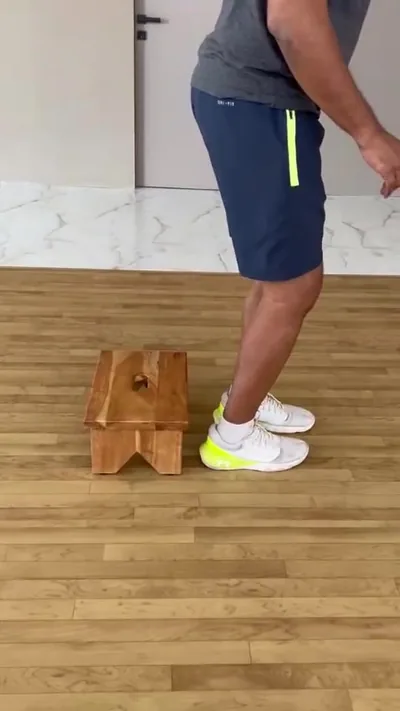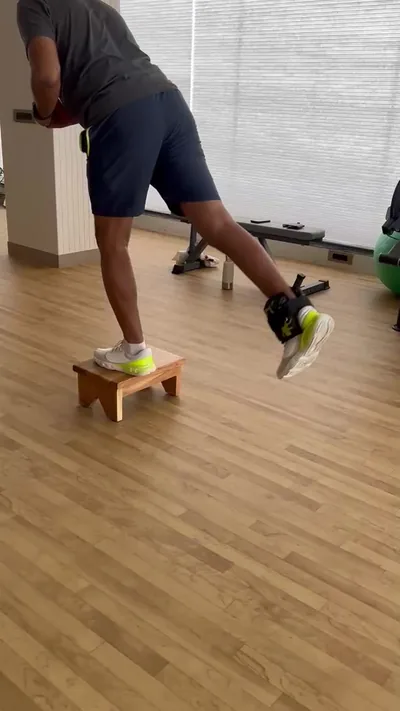
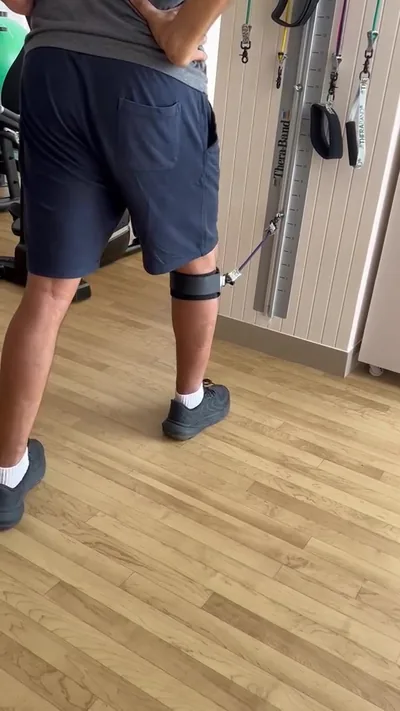
Backward Walking in ACL Rehab Phase 2
Backward walking helps athletes recover from ACL injuries. It builds knee stability in Phase 2 of rehab. This exercise targets quadriceps and improves control after surgery…
Read article

Sciatica twisting pain strikes when you turn your torso. It affects office workers and drivers in Jaipur. It feels like sharp nerve pain down the leg during twists.
The sciatic nerve runs from lower back through hips and legs. Twisting can irritate it, especially with slip disc or spondylosis. Safe movements help manage this.
At Trivayu Physio Center in Vaishali Nagar, we guide patients on handling sciatica pain when twisting torso. This article shares steps to avoid worsening symptoms.
Sciatica happens when the sciatic nerve gets irritated. Pain starts in lower back and shoots to buttock or leg. Twisting upper body can trigger it.
Office workers feel it reaching for a file or turning to a colleague. Drivers feel it checking mirrors or shifting gears. These movements press on the nerve.
Safe ways to twist matter. They let you move without added pain. Get an in-person check for your case.
Torso twist rotates the spine. This pressures discs and joints near sciatic nerve roots. Slip disc or spondylosis squeezes the nerve more.
Sudden turns load the spine unevenly. Poor posture adds strain. Nerve roots exit at lower back. Rotation pulls on them if hip muscles tighten. This sparks leg pain. Looking for a Physiotherapy Clinic Near Me? Our team in Vaishali Nagar, Jaipur can assess you in person.
Sciatica twist aggravation often builds from repeated small movements. Torso rotation sciatica flares when you turn without support. The nerve gets tugged as vertebrae shift slightly.
A physiotherapist checks spine alignment and muscle balance to explain triggers. They test how far you can twist before pain starts. This shows which direction irritates the nerve most.
Use whole body to twist. Keep spine neutral. Move hips and knees together. This spreads load from nerve.
Step-by-step for seated twisting:
For standing, pivot on feet. Bend knees slightly. Keep weight even between feet. Face direction before reaching. If reaching high, step closer first.
Physiotherapists teach these in sessions and adjust for your body. They watch your form and correct hip lag or shoulder hunch.
Swivel chair on base. Keep items within arm reach. Face needs directly. If no swivel, stand and reposition whole body. Use a reacher tool for far papers.
Place phone and printer ahead or slightly aside. Use document holder at eye level. Angle keyboard so elbows stay close to body. This cuts need to twist for mouse use.
Adjust seat for back support. Knees at 90 degrees. Use lumbar roll. Set mirrors while parked. Recline seat back slightly if it eases pressure.
Stop every 20-30 minutes. Walk 2 minutes, then twist safely to check back. Hold wheel at 9 and 3 o’clock. Keep shoulders low, avoid gripping tight. Signal early to reduce last-second looks. More on Ankle Pain Treatment and how we assess it.
Gentle exercises build control. Start slow under guidance. Stop if pain shoots down leg. Focus on smooth motion, not range.
Seated torso rotation: Sit tall, feet flat. Hands on shoulders, elbows wide. Rotate upper body gently 5 times each side. Keep hips still. Eyes follow hands. Stop if leg pain.
Standing hip twist: Feet shoulder-width, knees soft. Hands on hips. Rotate pelvis slowly 5 reps each way. Keep shoulders square and facing front. Feel glutes engage.
Supine twist: Lie on back, knees bent, feet flat. Arms out to sides. Lower knees to one side gently. Hold 20-30 seconds, switch sides. Keep shoulders pressed to floor. Breathe deeply.
Prone twist variation: Lie on stomach, elbows under shoulders. Lift chest slightly, turn head side to side slowly. 3-5 reps each. Builds back extensor control. You may also find Sciatica Bending Exercises to Avoid Nerve Pain useful.
Do 1-2 sets daily. Warm up with 5-minute walk. Progress if pain-free for a week. Add resistance band around knees later for hip stability.
A physiotherapist demonstrates these with hands-on cues. They ensure your pelvis stays level during twists.
Good posture cuts pain. Sit with lumbar support. Screens at eye level. Feet flat or on footrest. Shift weight every 10 minutes.
Seated knee-to-chest: Sit tall, pull one knee to chest with hands. Hold 20-30 seconds, switch. Eases lower back tension.
Seated cat-cow: Hands on knees. Arch back slowly, tuck chin. Round back, lift head. 5-8 cycles. Mobilises spine safely.
Piriformis stretch: Sit, cross ankle over opposite knee. Lean forward from hips, back straight. Hold 20-30 seconds each side. Targets deep hip rotator.
Heat pack 15 minutes before activity loosens tissues. Ice pack 10-15 minutes after if sharp pain. Avoid long rest, forward bends, heavy lifts, high twists.
Track triggers in journal: time, activity, pain level. Share with physio. Strengthen core with bridges: Lie on back, feet flat. Lift hips to line with knees and shoulders. Squeeze glutes, hold 5-10 seconds, 8-12 reps.
Turn whole body when stirring pots or reaching shelves. Face the stove squarely. Squat for low items, knees tracking over toes.
In queues, stand even weight on both feet. Shift side to side gently. Sleep on side with pillow between knees. Uncross legs when sitting.
Choose flats or supportive shoes, loose waistbands. Lift bags with both hands, close to body, feet apart, no twist. Bend knees, not back.
For back pain twisting, pause before turning. Plant feet. For nerve pain torso twist, shorten the range until pain-free. If cooking, pull stool close to counter.
Washroom tip: Use raised toilet seat if available. Stand fully before twisting to exit. In kitchen, store pots at waist height.
If numbness, tingling or weakness in leg, seek assessment promptly. Note if it worsens after specific twists.
At Trivayu Physio Center, assessment spots triggers. Full exam: posture, movement, nerve tension tests like straight leg raise.
Dr. Jyoti Choudhary uses Robotic Spinal Decompression Therapy. Manual Therapy if needed. Locations in Vaishali Nagar and Vidyadhar Nagar. Dr. Hritika Choudhary handles Electrotherapy. Orthopaedic Rehabilitation builds strength.
What to expect in session: 45-60 minutes. Physio asks about pain patterns, tests twists standing and seated. Measures leg strength, sensation. Teaches 3-5 home moves. Follow-up tracks progress.
Book in-person for tailored plans and home routines.
Torso rotation presses nerve roots. Slip disc or tight muscles increase sensitivity. Sudden moves add load. Hip tightness pulls on nerve during turn.
Move hips with shoulders. Spine straight. Pivot feet standing. Slow turns. Whole body. Support arms on stable surface.
Yes, seated rotations, supine twists, hip circles. Get physio guidance. Start few reps. Build control before range.
If pain over two weeks, worsens with twists, or with numbness. Early help prevents issues. If weakness or foot drop.
Yes, poor seat, mirror checks strain back. Adjust seat fully, take breaks, hold wheel properly.
Nerve irritation likely. Avoid aggravating twists. Note details like direction and duration. See physio for tests and plan.
They assess asymmetry in rotation. Test nerve glide. Release tight spots with hands. Prescribe graded exercises. Monitor daily triggers.
Safe twists ease daily life with sciatica.
Book assessment at Trivayu Physio Center. WhatsApp or call +91 90570 65065.
Physiotherapy is not the right first step for everything. Seek medical assessment promptly if any of the following apply to you:
If you lose control of your bladder or bowels, develop numbness around the groin, or have chest pain or breathlessness, treat it as an emergency and go to hospital.
Truly thankful to Dr. Jyoti Choudhary and the entire team of Trivayu Physio Centre for their genuine care, humble behaviour, and excellent treatment.
Mahesh Dhaka, Google review
This is one patient's own account, published with consent on our reviews page. It describes their experience, not a predicted outcome. Individual results vary.
Backward walking helps athletes recover from ACL injuries. It builds knee stability in Phase 2 of rehab. This exercise targets quadriceps and improves control after surgery…
Read articleAfter ACL surgery, rebuilding knee strength takes time and care. ACL rehabilitation phases guide this process step by step. Phase 1 protects the graft and cuts…
Read articleAfter hip replacement surgery, dressing your lower body safely helps build independence. By week 6 of hip replacement recovery, many patients aim to dress without help.…
Read articleMessage us on WhatsApp with your main concern and preferred time, and we'll confirm your first visit the same day.