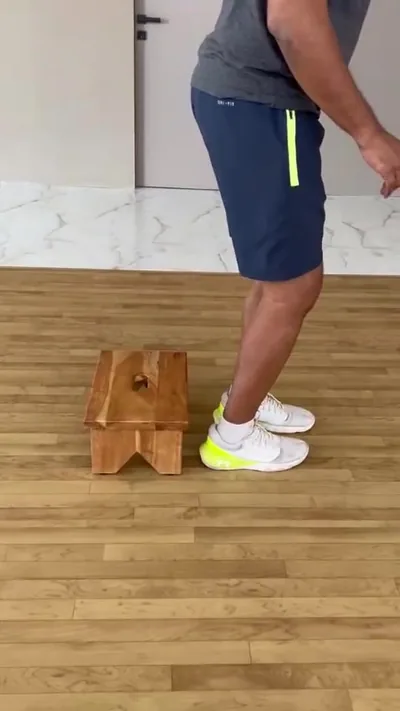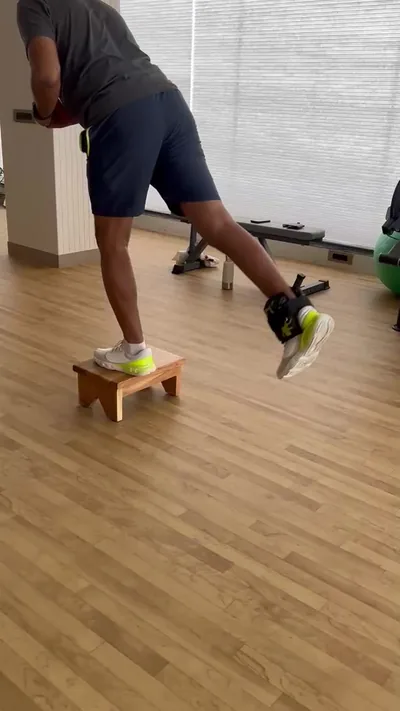
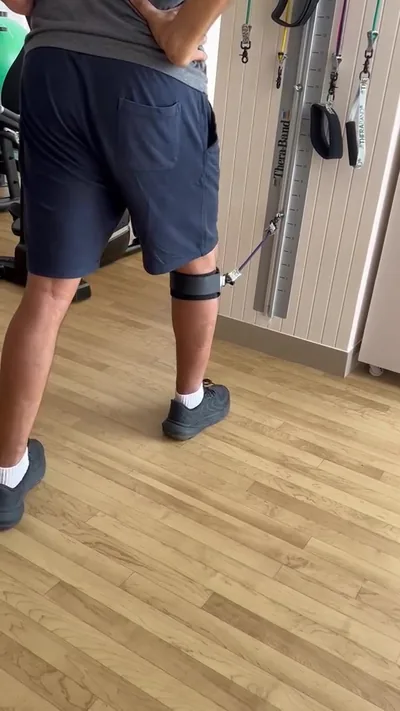
Backward Walking in ACL Rehab Phase 2
Backward walking helps athletes recover from ACL injuries. It builds knee stability in Phase 2 of rehab. This exercise targets quadriceps and improves control after surgery…
Read article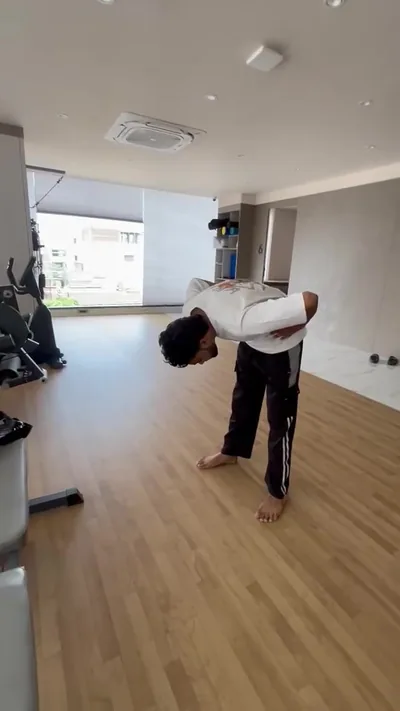

Sciatica causes pain along the sciatic nerve from lower back to leg. Bending forward often worsens it by stretching or pressing the nerve. Daily tasks like picking items or tying shoes can trigger flare-ups. Safe sciatica bending exercises help you move without aggravating the nerve.
These exercises focus on technique to avoid nerve pain. They promote hip hinging over back rounding. Start gently. Stop if pain increases. For personal advice, book an assessment at Trivayu Physio Center in Vaishali Nagar, Jaipur.
Our team, including Dr. Jyoti Choudhary with 17+ years in sports and orthopaedics, guides patients through safe movements. Locations include Vidyadhar Nagar too.
Sciatica stems from irritation of the sciatic nerve, often due to a slipped disc or tight muscles. The nerve runs from lower back through hips and down each leg. Looking for a Rehabilitation Centre Near Me? Our team in Vaishali Nagar, Jaipur can assess you in person.
Forward bending aggravates it by increasing pressure on nerve roots. Rounding the back narrows space for the nerve. Disc material can bulge back and touch it. Tight piriformis muscle in the buttock can clamp the nerve during bends.
Common triggers include lifting from the floor, gardening, or getting dressed. Bending forward sciatica pain feels like electric shocks or burning down the leg, sometimes to the foot. Learn positions that keep the spine long.
Visit Trivayu Physio Center, Vaishali Nagar for an in-person check. We assess your case to rule out serious issues. A physiotherapist checks bend range, nerve tension tests, and posture. Read more about our Posture Correction.
Protect your sciatic nerve with these rules. Use hip hinging: bend at hips while keeping back straight. This shifts load to hip muscles. Hip hinge loads hamstrings and glutes, not the spine.
Avoid rounding your back. Keep spine neutral. Engage core to stabilise. Core means deep tummy and back muscles.
Sciatica posture bending cues: imagine a string pulling your head up. Tuck chin slightly. Shoulders relax down. Practice for everyday use like reaching low shelves. During physio, we watch your form and correct it hands-on. You may also find Sciatica Hip Flexor Stretches for Desk Jobs in Jaipur useful.
Try these gentle sciatica bending exercises. Do 5-10 reps, 2-3 times daily. Use a chair or wall for support. Warm up with 5 minutes walking.
Progress when pain-free: reduce chair support, then add light weight like a book.
This builds safe forward bending control and strengthens quads.
This resets spine position before standing bends. Our robotic spinal decompression therapy eases nerve pressure.
This prepares for tying shoes without floor bend.
Protect sciatic nerve during rest and activity. Lie on unaffected side with pillow between knees. This opens hip space. Avoid stomach lying.
Sitting: use lumbar roll at lower back. Feet flat, knees below hips. For forward flexion sciatica, recline seat slightly. Stand with weight even on both feet.
Physio tests nerve gliding first. Gentle slides move the nerve without stretch. We teach this to reduce bending sensitivity.
Modify daily bending. For picking objects: face item squarely. Squat with wide stance, heels down. Lift with legs, keep object close to chest.
Tying shoes: sit on bed edge, one foot up on stool. Bend knee, not back. Use shoe horn.
Gardening: kneel on one knee, other foot flat. Use knee pads. Keep back straight, reach with long tools.
From sitting to standing: scoot to chair edge, feet back. Use arms. Hinge forward slightly with straight back, push up through heels.
Household chores: use long-handled tools. Face tasks squarely, pivot feet. For laundry basket, hug close, squat to lift.
Daily bending tips: set phone reminders for posture checks. Practice hip hinge 10 times morning and night.
Watch for red flags: sharp leg pain on bending, numbness in saddle area, foot drop weakness, or bowel/bladder changes. See a doctor promptly.
For ongoing issues, book in-person assessment. Dr. Jyoti Choudhary tailors plans. Expect bend tests, leg raises, muscle strength checks.
Benefits include manual therapy, class IV laser therapy, TECAR therapy, dry needling, clinical Pilates. Home visits cover Jaipur.
Session: 45 minutes, private room. History, tests, hands-on mobilisations, custom exercises, home plan.
Yes, but use hip hinging. Avoid full forward flexion until assessed. Partial hinges protect better.
Gentle ones like supported hinges, wall slides, pelvic tilts, seated leans. They build control without nerve strain. Progress under guidance.
Hinge at hips, keep back straight, engage core. Move slow, breathe out.
If pain persists beyond 2 weeks, worsens with tasks, or limits activity. Red flags need urgent care.
They help mildly, but professional assessment ensures safe progression. We spot form errors.
Stop, rest in safe position, apply ice 10 minutes. Retry gentler next day. Persistent return needs physio check.
Safe bending with sciatica lets you manage daily life. Build habits gradually. Recovery varies. Consistent practice reduces flare risk.
Book an assessment at Trivayu Physio Center today. WhatsApp or call +91 90570 65065.
Physiotherapy is not the right first step for everything. Seek medical assessment promptly if any of the following apply to you:
If you lose control of your bladder or bowels, develop numbness around the groin, or have chest pain or breathlessness, treat it as an emergency and go to hospital.
Truly thankful to Dr. Jyoti Choudhary and the entire team of Trivayu Physio Centre for their genuine care, humble behaviour, and excellent treatment.
Mahesh Dhaka, Google review
This is one patient's own account, published with consent on our reviews page. It describes their experience, not a predicted outcome. Individual results vary.
Backward walking helps athletes recover from ACL injuries. It builds knee stability in Phase 2 of rehab. This exercise targets quadriceps and improves control after surgery…
Read articleAfter ACL surgery, rebuilding knee strength takes time and care. ACL rehabilitation phases guide this process step by step. Phase 1 protects the graft and cuts…
Read articleAfter hip replacement surgery, dressing your lower body safely helps build independence. By week 6 of hip replacement recovery, many patients aim to dress without help.…
Read articleMessage us on WhatsApp with your main concern and preferred time, and we'll confirm your first visit the same day.