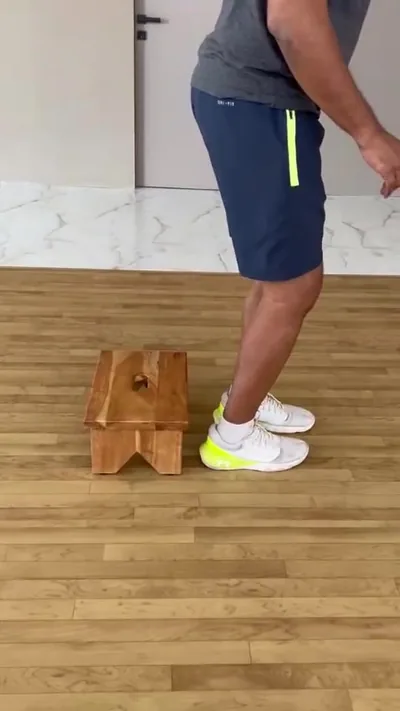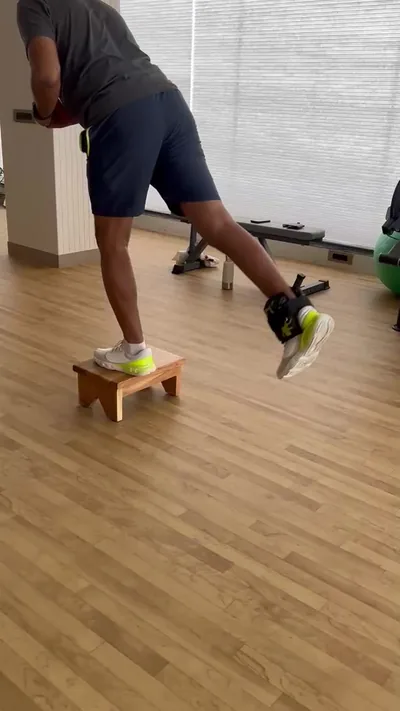
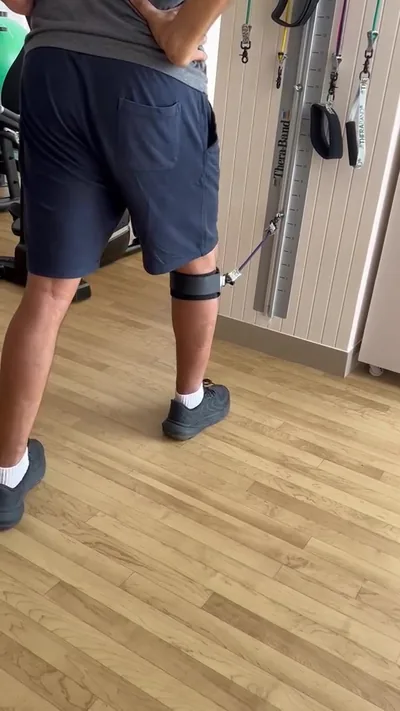
Backward Walking in ACL Rehab Phase 2
Backward walking helps athletes recover from ACL injuries. It builds knee stability in Phase 2 of rehab. This exercise targets quadriceps and improves control after surgery…
Read article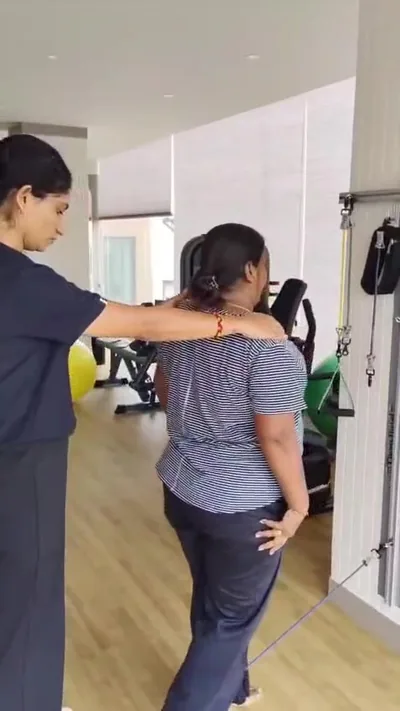

Sciatica during pregnancy means pain, tingling or numbness from irritation of the sciatic nerve. This nerve runs from the lower back, through the buttocks and down each leg. In pregnancy, body changes can irritate it, causing back pain in pregnancy, leg pain during pregnancy, or hip pain pregnant. Symptoms often start or worsen in the second trimester as the uterus enlarges. Other causes include tight piriformis muscle in the buttock or pelvic girdle instability from hormone changes. A physiotherapist checks posture, gait and movement patterns to identify the source. This differs from routine back ache by the shooting pain down the leg, numbness or pins and needles in the buttock, thigh or foot.
The second trimester sees the uterus grow quickly, shifting the baby’s weight forward and pressing nearby nerves and ligaments. Relaxin hormone loosens pelvic joints for birth preparation, which can pinch the sciatic nerve roots at L4-S1 level. Increased lordosis in the lumbar spine from the growing belly adds compression. These changes differ from normal pregnancy discomforts like round ligament pain or pubic symphysis strain.
Symptoms include sharp pain shooting down the back of the thigh, calf or foot; burning or electric shocks in the leg; worse pain when sitting, standing up or coughing; or numbness in the foot making walking unsteady. If both legs are affected, seek medical advice promptly alongside physiotherapy.
Women’s Health Physiotherapy uses gentle techniques safe for all trimesters. Manual Therapy eases muscle tension around the lower back and glutes. Orthopaedic Rehabilitation strengthens core and pelvic floor to support the growing belly. Electrotherapy like TENS provides drug-free pain relief without crossing the abdomen.
For hip pain pregnant, we address iliopsoas tightness or trochanteric bursitis aggravated by posture changes. Leg pain from sciatica receives targeted glute medius strengthening to stabilise the pelvis. All sessions use side-lying or supported positions to avoid belly pressure. Sessions last 30-45 minutes with breaks as needed.
Try these practical steps for daily relief, but get a physiotherapist’s clearance first to match your body and stage of pregnancy. For back pain in pregnancy, lie on your side with a pillow between knees to align hips and reduce lumbar curve. For leg pain during pregnancy, sit with feet flat and knees at 90 degrees; avoid crossing legs. Looking for a Physiotherapy Clinic Near Me? Our team in Vaishali Nagar, Jaipur can assess you in person.
Pelvic tilts: On hands and knees, gently rock pelvis forward and back 8-10 times, breathing steadily. Do this on a firm surface 2-3 times daily to ease lumbar strain.
Clamshell exercise: Lie on unaffected side, knees bent, lift top knee while keeping feet together. Do 10 reps per side, 2 sets, to strengthen outer hip muscles without straining the belly.
Cat-camel stretch: From all fours, arch back up then dip it down slowly, 8-10 reps. Move within pain-free range to mobilise the spine safely.
Figure 4 stretch: Lie on back with knees bent, cross one ankle over opposite knee, gently pull thigh towards you to stretch piriformis muscle. Hold 20-30 seconds, 2-3 times per side, if pain-free.
Avoid forward bending or heavy lifting. Use a pregnancy support belt if advised after assessment to offload the lumbar spine and pelvis. Walk on even surfaces with short strides to reduce nerve irritation. More on Ankle Pain Treatment and how we assess it.
Pregnant women sciatica often links to the piriformis muscle in the buttock trapping the sciatic nerve, worsened by the extra weight and changed walking pattern. Nerve pain pregnancy from this shows as burning down the leg or foot drop where lifting the foot toes becomes hard. Hip pain pregnant commonly from tight iliopsoas from the forward lean or trochanteric pain syndrome from the top of the femur rubbing. A physio checks by pressing the piriformis muscle, testing straight leg raise or slump test to confirm nerve irritation, and watching how you stand or walk.
A physiotherapist starts with a full assessment: history of when pain started, what makes it worse or better, any bladder changes or leg weakness. They check your spine alignment when standing, how your pelvis moves when walking, and test muscle strength in glutes and core. Treatment builds pelvic stability to take the load off the sciatic nerve.
For nerve pain pregnancy or sciatica treatment pregnancy, we use supported positions like kneeling or on all fours to take pressure off the nerve. Gentle mobilisations release tight spots in piriformis or glute muscles without twisting the spine. We teach you to sense when your pelvis is tilting forward and how to correct it by tucking the pelvis slightly.
Back pain in pregnancy can start early from posture shifts but second trimester brings more load as the uterus rises. Leg pain during pregnancy from sciatica worsens with stairs or prolonged standing. In the third trimester, the baby’s head descends which can ease or change the pain pattern, but tight muscles from compensating may linger.
Physiotherapists adapt: In the first trimester, focus on posture education and gentle stretches. Second trimester addresses the peak load with support exercises. Third trimester uses seated or standing positions to unload the back. All tailored after in-person assessment. You may also find Sciatica Stretches Pregnancy Second Trimester useful.
Expect a full check of your spine shape, hip range and nerve tests in a private room. We use pillows under the bump and between knees for comfort. The physio explains your results plainly, like “your pelvis is shifting left because the baby is on that side, this pinches the nerve”. They demonstrate exercises on the spot so you practice correctly.
Follow up checks progress by re-testing leg strength or walking pattern. If needed, they refer to your doctor for scans or other checks.
The growing uterus presses the sciatic nerve. Relaxin loosens pelvic ligaments, weight gain strains the lower back, and poor posture from belly growth adds compression. Tight piriformis muscle can also entrap the nerve.
Yes, as the uterus expands rapidly between weeks 13-26, increasing pressure on the lower back and pelvis. Hip pain pregnant often pairs with sciatica here due to greater trochanteric stress.
Manual Therapy releases tight muscles; Orthopaedic Rehabilitation builds supportive strength; Electrotherapy eases nerve irritation. All adapted for pregnancy with positional supports.
Gentle pelvic tilts, side-lying leg lifts and supported squats strengthen without strain. Dr. Jyoti’s Clinical Pilates & Exercise Therapy uses props like pillows and therapy balls for safety.
If pain persists beyond a few days, worsens with standing or walking, or includes numbness/tingling. Early assessment prevents worsening.
Yes, we provide home visits for those unable to travel, plus online consultations for initial advice.
Trivayu Physio Center in Vaishali Nagar and Vidyadhar Nagar offers safe physiotherapy for all pregnancy-related pains like back pain in pregnancy, leg pain during pregnancy, pregnant women sciatica, nerve pain pregnancy and hip pain pregnant. Book an assessment via WhatsApp or call +91 9057065065.
Physiotherapy is not the right first step for everything. Seek medical assessment promptly if any of the following apply to you:
If you lose control of your bladder or bowels, develop numbness around the groin, or have chest pain or breathlessness, treat it as an emergency and go to hospital.
Truly thankful to Dr. Jyoti Choudhary and the entire team of Trivayu Physio Centre for their genuine care, humble behaviour, and excellent treatment.
Mahesh Dhaka, Google review
This is one patient's own account, published with consent on our reviews page. It describes their experience, not a predicted outcome. Individual results vary.
Backward walking helps athletes recover from ACL injuries. It builds knee stability in Phase 2 of rehab. This exercise targets quadriceps and improves control after surgery…
Read articleAfter ACL surgery, rebuilding knee strength takes time and care. ACL rehabilitation phases guide this process step by step. Phase 1 protects the graft and cuts…
Read articleAfter hip replacement surgery, dressing your lower body safely helps build independence. By week 6 of hip replacement recovery, many patients aim to dress without help.…
Read articleMessage us on WhatsApp with your main concern and preferred time, and we'll confirm your first visit the same day.