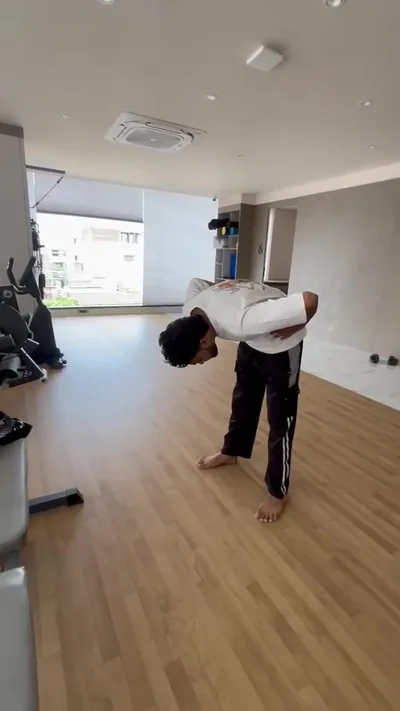
Is Side Bending Safe with L4 L5 Herniated Disc
An L4 L5 herniated disc happens when the disc between your fourth and fifth lumbar vertebrae bulges or ruptures. This presses on nearby nerves, causing pain…
Read article

Sciatica causes pain along the sciatic nerve path. This nerve runs from the lower back through the hips and down each leg. Stair climbing often worsens it for apartment dwellers. Simple changes like using handrails and glute squeezes help manage this.
In multi-floor buildings in Jaipur, stairs are unavoidable. Weak glutes and poor posture make it harder. Targeted habits ease the strain. A physiotherapist assessment helps tailor advice to your needs.
Sciatica stair climbing pain comes from nerve irritation. The sciatic nerve gets compressed or irritated, often by disc issues or tight muscles. Stairs demand balance and strength. Without support, you lean forward. This stresses the lower back.
Glute weakness plays a big role. The glutes stabilise the pelvis. Weak ones let the spine twist. Apartment living means frequent stair use. Carrying bags adds load. This triggers pain during ascent or descent. Nerve pain on stair descent feels sharp because gravity pulls the body down. Each step jars the irritated nerve. Back pain joins in as muscles tighten to compensate.
Sciatica triggered by stairs often flares after repeated trips. The nerve glides less smoothly when muscles fatigue. Poor foot placement adds twist to the hips. A physiotherapist would check your gait first. They observe how you climb and note weak links like tight hamstrings or uneven steps.
Stair ascent lifts body weight step by step. Descent adds impact. Both compress the spine. Poor posture tilts the pelvis. This pinches the nerve. Weak glutes fail to control movement. You sway, worsening nerve slide.
Carrying loads shifts weight unevenly. Handbags or laundry bags pull one side. No handrail use forces more leg work. This fatigues muscles fast. In multi-floor homes, repeat trips build up irritation. Back pain joins nerve pain on stairs. Sciatica pain when climbing stairs builds gradually. Descent often hurts more due to the braking action of leg muscles. They pull on the pelvis, tugging the nerve roots. Looking for a Physiotherapist Near Me? Our team in Vaishali Nagar, Jaipur can assess you in person.
Apartment dwellers face this daily. Narrow stairwells limit space for proper form. Low ceilings force a hunch. A physiotherapist approach starts with your daily pattern. They ask about floor count and bag weights to spot triggers. Then they teach adjustments that fit tight spaces.
Handrails reduce body lean. Grip firmly. Distribute weight through arms. Keep spine straight. Avoid twisting. This cuts nerve pressure directly.
This unloads spine. Nerve pressure drops. Practice daily for habit. In descent, handrail prevents forward lurch. A physiotherapist might demonstrate this in clinic, then watch you repeat on a step model. They adjust grip height to your arm length.
Glute squeezes activate muscles. Strong glutes stabilise hips. They prevent pelvic tilt on stairs. Do them anytime. Glute activation for sciatica targets the main stabilisers: gluteus maximus, medius and minimus. Weak medius lets the hip drop on stairs, pinching the nerve.
Before stairs, stand tall. Squeeze buttocks tight. Hold 5 seconds. Repeat 5 times. Feel muscles engage. Progress to single-leg versions once strong. Lie on back, one knee bent. Lift pelvis slightly while squeezing top glute.
Start with 3 sets daily. Build up. Glute activation eases sciatica pain stairs cause. Integrate into routine. A physiotherapist tests glute strength with side-lying leg lifts. They progress to resisted clamshells if needed. This builds control for apartment stairs. More on Ankle Pain Treatment and how we assess it.
Managing sciatica in apartments means small changes stacked together. Check posture first. Stand tall. Tuck pelvis under – imagine balancing a bowl on your pelvis. Avoid slouch. Warm up before stairs. March on spot 30 seconds. Swing arms loose. Circle hips gently.
Avoid heavy loads. Split trips into lighter ones. Use backpack over shoulder bags for even weight. Elevator ideal if available, but plan stairs for fitness. Ice pack after stairs if pain flares. Lie flat on back 10 minutes. Place pillow under knees to relax spine.
For stair descent nerve pain, slow your pace. Step down one at a time if needed. Alternate legs fully. Managing sciatica triggered by stairs includes foot choice: flat shoes with grip prevent slips that jolt the back.
A daily log helps. Note pain level before and after stairs. Track what eases it, like pre-squeeze or rail use. Share this with your physiotherapist. They refine based on patterns.
A physiotherapist starts with full assessment. They test nerve tension by straight-leg raise. Check glute strength and hip flexibility. Observe your stair pattern on clinic steps. For back pain stairs sciatica, they palpate tight spots like piriformis.
Treatment builds tolerance. Early sessions focus on pain relief. Later ones add stair drills. Expect hands-on work to loosen tight muscles. Home exercises mimic stairs, like step-ups on a low box. Progress to full flights. You may also find Sciatica Pain Climbing Jaipur Stairs useful.
At Trivayu Physio Center, we use Manual Therapy to release nerve tension. Orthopaedic Rehabilitation strengthens for daily stairs. Electrotherapy calms irritated nerves. Robotic Spinal Decompression eases nerve pressure safely.
Red flags mean see a doctor first. These include loss of bladder control, numbness in saddle area, or weakness in both legs.
Visit Trivayu Physio Center in Vaishali Nagar or Vidyadhar Nagar. Our team includes Dr. Jyoti Choudhary, with 17 years treating sports and orthopaedic cases. Dr. Hritika Choudhary handles post-op rehab.
Sciatica triggers from stairs stem from disc bulge or piriformis tightness. Steps force forward lean. Glutes weaken from sitting. Loads unbalance posture. Descent jars the spine with eccentric muscle load.
Handrail takes load off legs. It keeps spine neutral. Grip spreads force. Slow steps prevent jolt. Essential for descent nerve pain.
Squeeze glutes as if holding coin between cheeks. Hold 5 seconds. Repeat 10 times. Do before stairs or seated. Activates muscles to support pelvis. Add side squeezes for medius.
Yes, with rail use, glute work, posture checks and split loads. Persistent pain needs assessment. Home tips help daily management in apartments.
See us if pain lasts weeks, spreads or limits floors you climb. Book assessment via WhatsApp or call +91 90570 65065. We tailor plan to your apartment life.
Not always. Proper form with glutes and rail protects nerve. Weak glutes or no support worsens it. Strengthen for safe navigation.
Descent uses braking muscles that pull on pelvis. This tugs nerve more. Use rail heavily and squeeze glutes to stabilise.
Manage sciatica stair climbing pain with these steps. Book assessment at Trivayu Physio Center today. WhatsApp or call +91 90570 65065.
Physiotherapy is not the right first step for everything. Seek medical assessment promptly if any of the following apply to you:
If you lose control of your bladder or bowels, develop numbness around the groin, or have chest pain or breathlessness, treat it as an emergency and go to hospital.
Truly thankful to Dr. Jyoti Choudhary and the entire team of Trivayu Physio Centre for their genuine care, humble behaviour, and excellent treatment.
Mahesh Dhaka, Google review
This is one patient's own account, published with consent on our reviews page. It describes their experience, not a predicted outcome. Individual results vary.
An L4 L5 herniated disc happens when the disc between your fourth and fifth lumbar vertebrae bulges or ruptures. This presses on nearby nerves, causing pain…
Read articleShopkeepers in Jaipur often stand for long hours behind counters. This prolonged standing can trigger sciatica pain. Sciatica happens when the sciatic nerve gets irritated, often…
Read articleHerniated disc night pain disrupts sleep for many. The disc bulge presses on nerves, causing sharp back pain or sciatica that flares up at night. Simple…
Read articleMessage us on WhatsApp with your main concern and preferred time, and we'll confirm your first visit the same day.