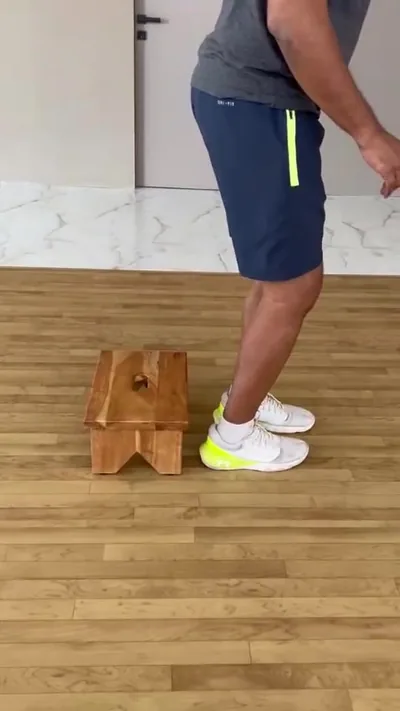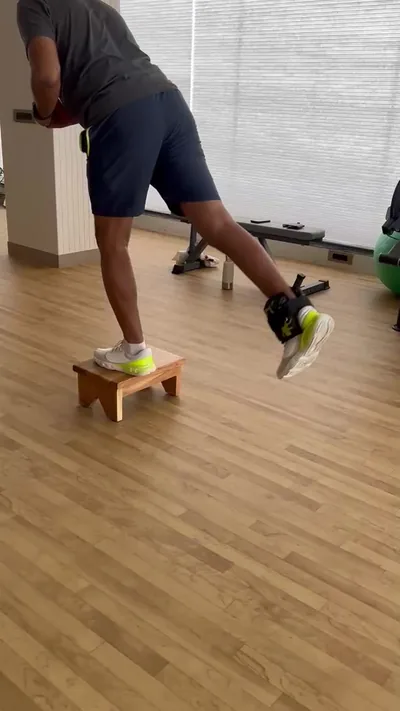
Backward Walking in ACL Rehab Phase 2
Backward walking helps athletes recover from ACL injuries. It builds knee stability in Phase 2 of rehab. This exercise targets quadriceps and improves control after surgery…
Read article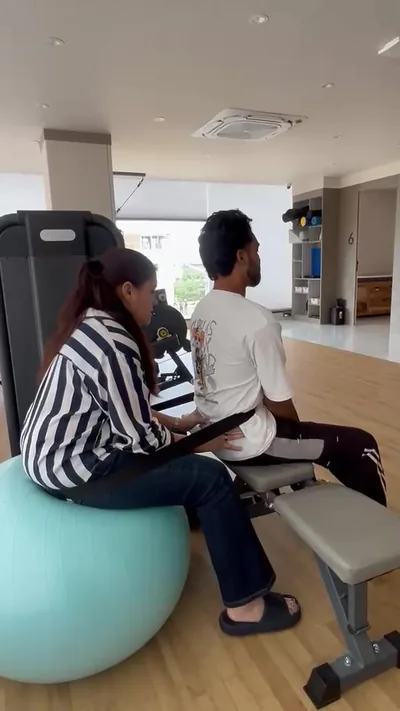

Sciatica pain climbing stairs affects many in Jaipur. Tall buildings and homes with steep steps make it worse. The pain shoots down the leg from a pinched nerve in the lower back.
This article shares techniques to reduce sciatica flare on stairs. You will find safe ways to climb, exercises, and when to seek help. These tips suit urban life in Vaishali Nagar or Vidyadhar Nagar.
Sciatica comes from pressure on the sciatic nerve. Stairs twist the spine and load the legs unevenly. This sparks leg pain, numbness, or tingling. In Jaipur’s stair-heavy homes, daily climbs can trigger flares. Looking for a Physiotherapist in Jaipur? Our team in Vaishali Nagar, Jaipur can assess you in person.
Sciatica starts in the lower back. The sciatic nerve runs from there to each leg. Irritation causes sharp pain, burning, or weakness in the buttock and leg.
Climbing stairs aggravates it. Each step bends the spine forward and presses nerve roots. Going down strains the back as knees and hips flex. Jaipur homes often have narrow, steep stairs. This forces poor posture, worsening symptoms. More on Sciatica Treatment and how we assess it.
Common signs include shooting pain from back to calf. Tingling or pins-and-needles follow. Flares hit after multiple flights. Sitting after worsens it. Heat or rest eases it briefly. Symptoms often build gradually: deep ache in buttock first, then sharp jolts in thigh or calf with each step up. Numbness creeps into the foot. Downstairs, burning pull behind the knee. Weakness risks falls on uneven steps.
Sciatica pain travels in a line down the back of the leg. It worsens with sitting or coughing. Track flares: after two flights? Morning stiffness? Note for physio. You may also find Sciatica Pain Worse When Walking: Gait Changes useful.
Use these tips for safe stair techniques. They cut strain on the nerve. A physiotherapist teaches these during assessment. Practice on flat ground first.
Descending: lead with bad leg, good leg follows. Bend knees slightly. Hold rail. Lower controlled. This reduces jolt in spine.
Avoid skipping steps or carrying heavy loads. Use lifts if available. In apartments, plan elevator routes. For home, free one hand for rail.
Time climbs after short walk. If pain spikes, stop. Sit on step. Stretch leg: knee straight, foot flexed up. Hold 20 seconds.
Build strength in core, glutes, and legs for better management. Do without equipment. Start gentle. Stop if pain increases. A physio checks form.
Do 2-3 times daily. Combine with flat walking. Track stair ease weekly.
Loosen tight muscles. Hold each 20-30 seconds. No bouncing. Do twice daily before climbs.
Physios add these to Orthopaedic Rehabilitation plans.
See physio if pain lasts weeks or stairs cause constant flares. Signs: severe pain, foot drop, loss of bladder control. Red flags: pain at rest, fever, weight loss. See doctor first.
At Trivayu Physio Center, Dr. Jyoti Choudhary (17+ years in sports and orthopaedics) leads. Dr. Hritika Choudhary uses Electrotherapy. Team offers Orthopaedic Rehabilitation.
Visit 204, 2nd Floor, Om Tower, Gandhi Path Road, Nemi Nagar, Vaishali Nagar, Jaipur. Also Vidyadhar Nagar, Rangoli Gardens. Hours: Mon-Sat 8am-8pm, Sun 10am-1pm. Full exam: posture, strength tests, nerve glides. Tailor to home stairs.
Approach: hands-on assessment finds triggers. Electrotherapy calms flares. Custom exercises build tolerance. Home plans fit Jaipur life.
Choose supportive shoes with arches and grip. Avoid flat chappals.
Book in-person assessment. Home visits and online options available. Video stair technique for fixes.
Lead with good leg up, bad leg down. Hold rail. Go slow. Keep back straight. Practice descending first.
Use handrail. One step at a time. Proper posture. Avoid loads. Add arm pull.
If pain persists, worsens, numbness spreads. Weakness or bowel changes need urgent check. Early visit prevents chronic issues.
Yes. Steep stairs press nerve. Technique shifts load safely.
Strengthen with bridges and squats. Good shoes. Breaks. Heat before, ice after. Track pain journal.
Steps flex spine and hips. Narrow stairs force twist. Nerve compresses. Strength counters this.
Safe stairs cut sciatica misery in Jaipur. Techniques and exercises help. Professional input speeds relief. Recovery varies. Manual Therapy may follow assessment.
Book an assessment at Trivayu Physio Center today. WhatsApp +91 90570 65065 or call. Start easier climbs soon.
Physiotherapy is not the right first step for everything. Seek medical assessment promptly if any of the following apply to you:
If you lose control of your bladder or bowels, develop numbness around the groin, or have chest pain or breathlessness, treat it as an emergency and go to hospital.
Truly thankful to Dr. Jyoti Choudhary and the entire team of Trivayu Physio Centre for their genuine care, humble behaviour, and excellent treatment.
Mahesh Dhaka, Google review
This is one patient's own account, published with consent on our reviews page. It describes their experience, not a predicted outcome. Individual results vary.
Backward walking helps athletes recover from ACL injuries. It builds knee stability in Phase 2 of rehab. This exercise targets quadriceps and improves control after surgery…
Read articleAfter ACL surgery, rebuilding knee strength takes time and care. ACL rehabilitation phases guide this process step by step. Phase 1 protects the graft and cuts…
Read articleAfter hip replacement surgery, dressing your lower body safely helps build independence. By week 6 of hip replacement recovery, many patients aim to dress without help.…
Read articleMessage us on WhatsApp with your main concern and preferred time, and we'll confirm your first visit the same day.