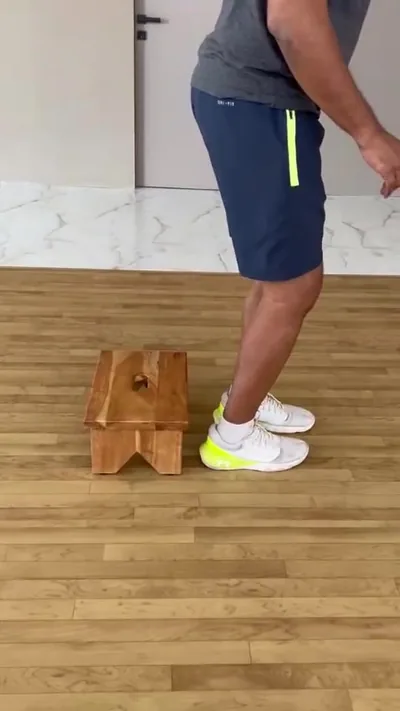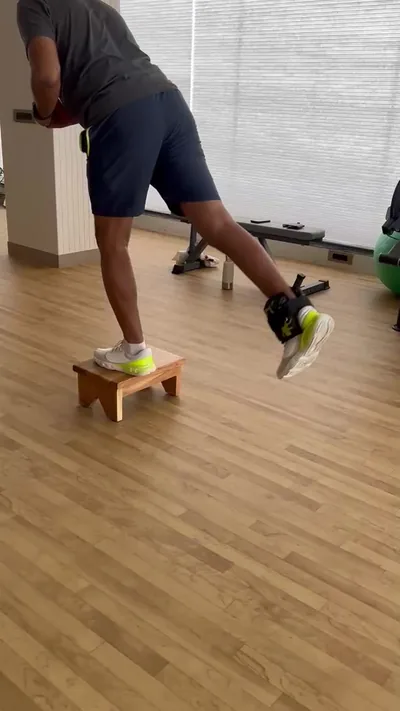
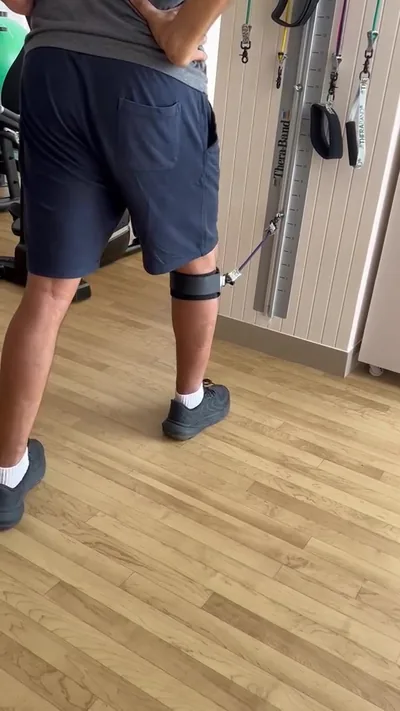
Backward Walking in ACL Rehab Phase 2
Backward walking helps athletes recover from ACL injuries. It builds knee stability in Phase 2 of rehab. This exercise targets quadriceps and improves control after surgery…
Read article

Women in Jaipur with back pain or slipped disc issues face extra strain from saree draping. Twisting to pleat or bending to tuck strains the spine. This guide shares slipped disc precautions for safer draping. It covers posture tips, safe saree styles and daily habits to protect your back.
A slipped disc occurs when the soft centre bulges through a tear in the outer layer. This presses nerves, causing back, leg or arm pain. Bending or twisting often triggers it. Symptoms include sharp pain with movement, numbness or tingling in limbs.
Saree draping repeats these moves. Pleating needs forward bends. Tucking requires awkward reaches. For Jaipur women, this strains the spine during festivals or daily wear. Heavy sarees add weight that pulls on the lower back.
Regular wear without care turns discomfort into lasting pain. Back pain from saree often starts as mild ache after long draping sessions. Awareness helps you spot risks early.
Start seated on a chair with back support. Keep spine straight, feet flat on floor. Use a full-length mirror to check form. Neutral spine means ears over shoulders over hips over ankles. Breathe steadily to stay relaxed. Looking for a Rehabilitation Centre Near Me? Our team in Vaishali Nagar, Jaipur can assess you in person.
Step-by-step spine-friendly style: Sit on a sturdy chair at waist height. Drape plain end over left shoulder down to knees. Hold other end at navel level across lap. Keep both feet planted.
Drape as much as possible while seated. Use a waist-height table for extra support during pleating. Tuck one pleat at a time to avoid rushing. Check alignment in the mirror after each step. Practice this method twice a week on non-pain days to build habit. If pain starts, stop and sit with back supported.
Heavy pleats tug the pelvis forward, worsening slipped disc strain. Set petticoat exactly at navel height for balance. This keeps the spine neutral during wear.
Safe way to wear saree: Pin pleats loosely at first. Test by walking a few steps and hinging at hips to sit. If no pull or pain, adjust snugger. Always hinge from hips, not waist, to lower yourself. More on Ankle Pain Treatment and how we assess it.
Avoid saree pleats that are too tight or uneven—these pinch the spine like a slipped disc trigger. Spine-friendly saree style uses straight, even folds without deep tucks below the hips.
Saree draping back pain comes from repeated forward bends and side pulls. Tight pleats around the waist compress the lumbar area. Long pallu drags unevenly, tilting the pelvis.
To fix: Choose lighter fabrics that move with you. Drape in Nivi style with modifications—pleats forward only, pallu loose over shoulder. Avoid seedha pallu if it requires back reaches. For slipped disc, skip heavy embroidery that adds uneven weight.
Saree pleats slipped disc risk rises if you pleat standing and bending. Instead, sit and pleat on lap. During events, take seated breaks every 30 minutes. Shift weight from foot to foot while standing. If back pain flares, loosen pleats slightly for relief. You may also find Safe Lifting with Slipped Disc at Home useful.
Engage core lightly—draw belly button towards spine—during draping and wear. Track if petticoat stays neat without slipping. Note pain patterns in a diary for physio review.
A physiotherapist would test your posture and range first, then prescribe home exercises on non-pain days. Do them slowly, stopping if pain increases. Aim for control over reps.
Electrotherapy can ease muscle tension before exercises. Orthopaedic Rehabilitation tailors a plan after full posture check. Manual Therapy releases tight spots around the spine.
See a physio if pain lasts over weeks, spreads to legs, worsens with draping, or brings numbness, weakness or pins-and-needles. Do not delay if bowel or bladder changes occur—seek medical help.
Trivaiyu Physio Center in Vaishali Nagar, Jaipur, offers spine care. Dr. Jyoti Choudhary handles post-op rehab. Dr. Hemanth Reddy leads assessments. Robotic physio with Robotic Decompression eases disc pressure. Home visits available. Initial session includes posture review, custom plan and 45-minute hands-on work.
Sit with back support, form pleats at waist on lap, stand with chair aid, pre-fold on table if needed.
Yes, if with bends or twists. Seated methods and core strength help prevent flares.
Ears over hips, core lightly engaged, take seated breaks every 20-30 minutes.
Yes, it reduces strain. Pro guidance spots habits you miss.
Seated pleats, straight even tucks, light fabric, navel petticoat.
Enjoy your saree with back care. Book at Trivaiyu Physio for a personal plan.
Word count: 1256
Physiotherapy is not the right first step for everything. Seek medical assessment promptly if any of the following apply to you:
If you lose control of your bladder or bowels, develop numbness around the groin, or have chest pain or breathlessness, treat it as an emergency and go to hospital.
Truly thankful to Dr. Jyoti Choudhary and the entire team of Trivayu Physio Centre for their genuine care, humble behaviour, and excellent treatment.
Mahesh Dhaka, Google review
This is one patient's own account, published with consent on our reviews page. It describes their experience, not a predicted outcome. Individual results vary.
Backward walking helps athletes recover from ACL injuries. It builds knee stability in Phase 2 of rehab. This exercise targets quadriceps and improves control after surgery…
Read articleAfter ACL surgery, rebuilding knee strength takes time and care. ACL rehabilitation phases guide this process step by step. Phase 1 protects the graft and cuts…
Read articleAfter hip replacement surgery, dressing your lower body safely helps build independence. By week 6 of hip replacement recovery, many patients aim to dress without help.…
Read articleMessage us on WhatsApp with your main concern and preferred time, and we'll confirm your first visit the same day.