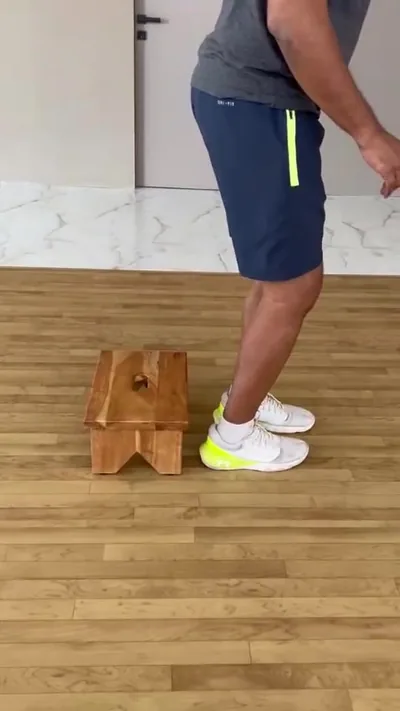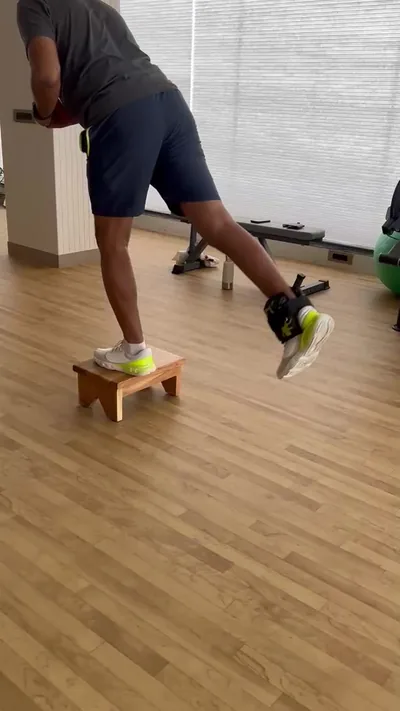
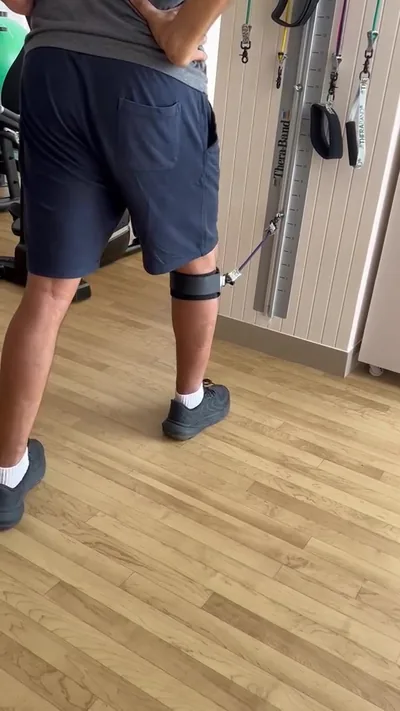
Backward Walking in ACL Rehab Phase 2
Backward walking helps athletes recover from ACL injuries. It builds knee stability in Phase 2 of rehab. This exercise targets quadriceps and improves control after surgery…
Read article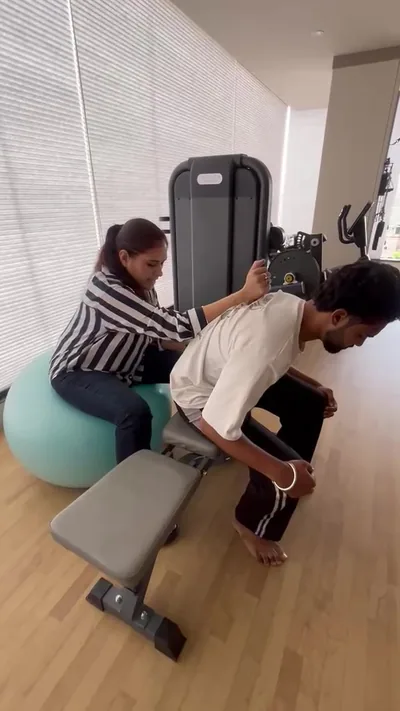

A slipped disc happens when the soft centre of a spinal disc pushes through its outer layer. This presses on nerves and causes back pain. In Jaipur homes, lifting laundry or groceries worsens it. Poor lifting strains the spine, causing more pain or re-injury.
Safe lifting protects your back during chores. These tips use proper body mechanics to manage pain without harm. Pair with professional advice.
Trivayu Physio Center offers spine care. Read on for steps tailored to household needs.
A slipped disc occurs in the spine. Discs cushion vertebrae. Bulging or rupture irritates nerves. Common in lower back, it causes pain, numbness, or weakness.
Home tasks stress the spine. Bending for a bucket or child rounds the back, increasing disc pressure. This slows healing and raises re-injury risk. In Jaipur, carrying water jugs or market bags triggers flare-ups. Looking for a Physiotherapist in Jaipur? Our team in Vaishali Nagar, Jaipur can assess you in person.
Proper lifting keeps spine neutral, shifting load to legs. A physiotherapist assesses posture and movement in-person. They check bending and lifting to spot straining habits, then teach adjustments for your pain location and strength. Read more about our Home Visits.
Follow these rules for safe lifting. They engage legs and core.
These distribute force from spine. Practice for home tasks. Physio demonstrates with weighted bag, corrects your form.
Apply for common scenarios. Feel legs working more than back. Stop if pain flares.
For floor objects like basket or bucket:
For laundry basket:
For kids, groceries, or bags:
Start light. Physio practises with props like therapy ball, adjusts for height or flexibility.
Correct bending applies to low shelves, tying shoes, or gardening without weight. Wrong bending rounds spine, presses disc.
Proper bending steps:
Use for vacuuming, mopping, picking vegetables. Keeps spine curved naturally. Practice in mirror. Physio tests bend, guides hip hinge.
Plan ahead. Break heavy tasks. Slide objects close. Use reacher for ground items. Wear supportive shoes.
Daily tips:
Track pain: task, technique, response. Share with physio. They may add taping or lumbar belt.
Physios spot these via video analysis.
Gentle exercises strengthen core, improve posture. Do daily if pain-free, on mat. Breathe normally, move slow.
8-10 repeats, twice daily. Stop if pain increases. Physio customises after testing.
See help if pain shoots to legs, worsens at night, limits walking. Trivayu uses Robotic Spinal Decompression Therapy, Class IV Laser, Manual Therapy. Home visits, online consultations available.
Trivayu in Vaishali Nagar and Vidyadhar Nagar, Jaipur, specialises in spine care. Team: Dr. Jyoti Choudhary (17+ years orthopaedics, sports rehab; Rajasthan Senior Women’s Cricket Team). Dr. Hritika Choudhary (post-op rehab). Dr. Ajit Choudhary (neuro, post-surgery). You may also find Neck Pain for Auto Drivers in Jaipur: Posture Fixes useful.
Offers Orthopaedic Physiotherapy, Spine Care, Pain Management. Techniques: TECAR Therapy, Dry Needling, Myofascial Release, Clinical Pilates. Open Mon-Sat 8am-8pm, Sun 10am-1pm. Initial assessment: posture check, movement tests, home plan.
Bend knees, hold close, use legs, avoid twists. Brace core, exhale on lift.
Hinge hips and knees. Keep back neutral, chest up. Practice in mirror.
Ask physio. Start light, use technique, split loads.
Neutral spine: shoulders back, core engaged, feet planted, chin tucked.
If pain persists or numbness starts. Get in-person check.
Gentle ones yes, after assessment. Physio guides form.
Safe lifting builds confidence. Combine with exercises, correct bending. Track progress.
Book assessment at Trivayu Physio Center. WhatsApp or call +91 90570 65065.
Physiotherapy is not the right first step for everything. Seek medical assessment promptly if any of the following apply to you:
If you lose control of your bladder or bowels, develop numbness around the groin, or have chest pain or breathlessness, treat it as an emergency and go to hospital.
Truly thankful to Dr. Jyoti Choudhary and the entire team of Trivayu Physio Centre for their genuine care, humble behaviour, and excellent treatment.
Mahesh Dhaka, Google review
This is one patient's own account, published with consent on our reviews page. It describes their experience, not a predicted outcome. Individual results vary.
Backward walking helps athletes recover from ACL injuries. It builds knee stability in Phase 2 of rehab. This exercise targets quadriceps and improves control after surgery…
Read articleAfter ACL surgery, rebuilding knee strength takes time and care. ACL rehabilitation phases guide this process step by step. Phase 1 protects the graft and cuts…
Read articleAfter hip replacement surgery, dressing your lower body safely helps build independence. By week 6 of hip replacement recovery, many patients aim to dress without help.…
Read articleMessage us on WhatsApp with your main concern and preferred time, and we'll confirm your first visit the same day.