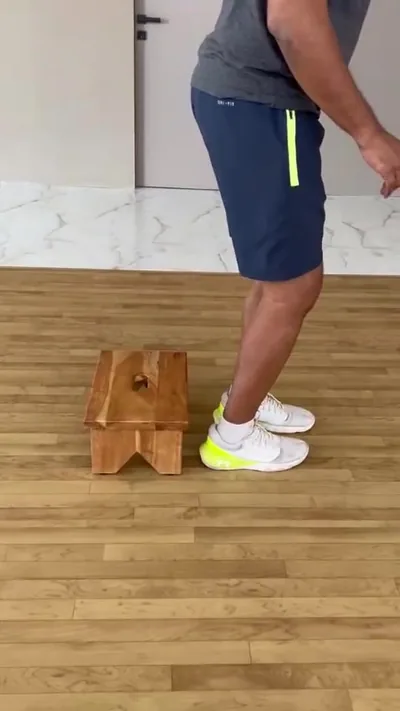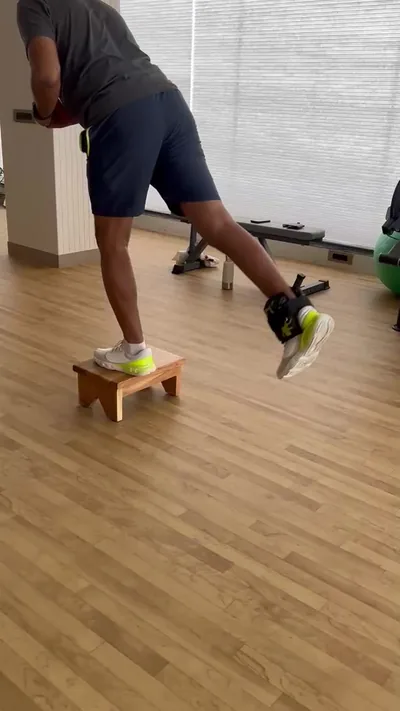
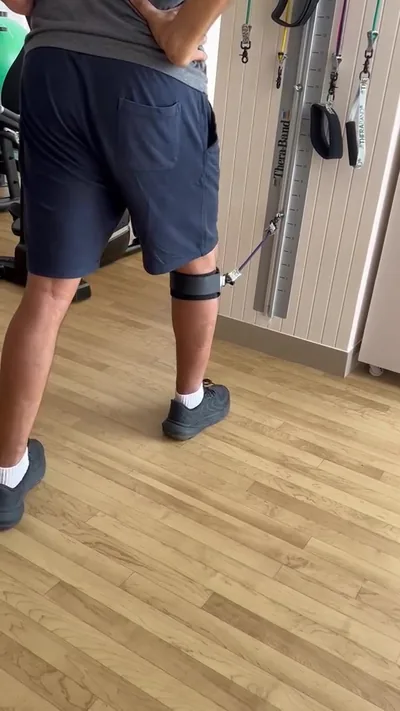
Backward Walking in ACL Rehab Phase 2
Backward walking helps athletes recover from ACL injuries. It builds knee stability in Phase 2 of rehab. This exercise targets quadriceps and improves control after surgery…
Read article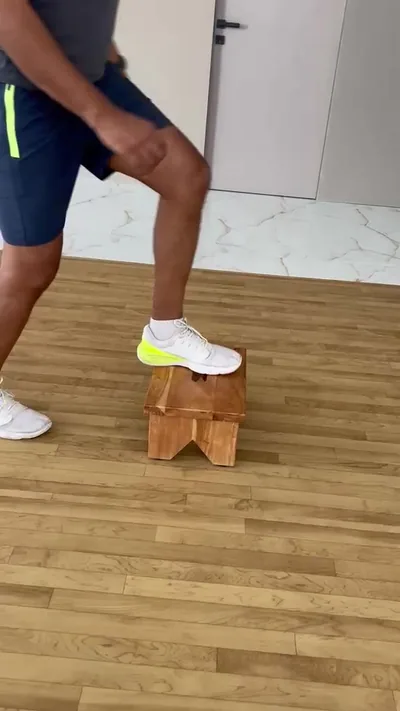

Meniscus tear affects knee cartilage. This C-shaped pad cushions thigh and shin bones. Injury comes from twisting or deep squats. For homebound patients, stairs trigger sharp pain. The knee bends and twists under body weight, stressing the tear.
Symptoms include swelling, stiffness and locking. Pain worsens going down stairs. Stair descent loads the knee heavily. Without tweaks, it risks falls or damage. See a physiotherapist for assessment. Self-care aids function but does not replace checks.
Trivayu Physio Center in Vaishali Nagar and Vidyadhar Nagar treats knee issues. Our team guides recovery. Book an assessment.
Meniscus absorbs shock in the knee. Tears split or fray this tissue. Common in sports or ageing knees. Stair descent hurts as knee flexes deeply and body weight shifts forward, pinching the tear. Homebound patients notice it in routine tasks.
Symptoms start with a pop at injury time. Then pain follows, along with swelling and trouble straightening the knee. Sharp twinges hit on stairs.
Going down stairs often brings the worst knee pain. The quadriceps muscle works hard to control descent. This eccentric load presses the torn meniscus fragments together. Knee pain going down stairs feels like stabbing or grinding. It worsens if the tear sits on the inner or outer side. Upstairs can ache too, but descent stresses the joint more due to gravity.
Assessment spots tear type and size. Scans confirm if needed. Home tweaks ease pain but always check in person. A physiotherapist tests knee stability, range of motion and your gait, including how you handle stairs. They watch for limps or wobbles. Looking for a Physiotherapist Near Me? Our team in Vaishali Nagar, Jaipur can assess you in person.
Use step-by-step tweaks for stairs. Always hold the handrail. Practice safely with someone nearby at first.
For going upstairs, lead with the good leg if it feels stable. Or try injured leg first if your knee holds steady—test gently what suits your tear. Avoid hopping, twisting motions, or skipping steps. Practice the pattern first on flat ground to build confidence.
Safe stair walking with meniscus tear shifts load away from the injury. Descent stresses quads eccentrically, and a torn meniscus amplifies every twinge. These techniques use the good leg and arms to share the work. If pain spikes during or after, stop. Ice the knee and elevate it for 15 minutes. Rest until it settles. Build up slowly over days.
A physiotherapist would approach this by watching you demonstrate stairs in clinic. They check alignment, speed and balance. They adjust your technique based on tear location—inner tears need less side bend, for example. Expect them to measure knee angle during steps too. More on Ankle Pain Treatment and how we assess it.
Build strength for better stair control. Do these daily, starting with 5-10 repeats per set. Stop if pain rises above mild discomfort. Progress to more repeats or holds when they feel easy. Aim for two sets per day.
These target quads, hamstrings, hips and balance—key for meniscus rehab exercises. Warm up with 5 minutes of flat walking. Ice knee for 10-15 minutes if sore after. A physiotherapist checks your form in person to avoid strain. They add progressions like holding light weights later.
Seek help if pain lasts weeks, swelling does not settle, knee locks or gives way, limping worsens, or night pain disrupts sleep. Red flags mean see a doctor first: unable to bear weight, large sudden swelling, fever or redness.
At Trivayu, Manual Therapy mobilises the joint to improve glide, Orthopaedic Rehabilitation strengthens key muscles, Electrotherapy reduces swelling. Dr. Jyoti Choudhary leads the team. Locations: Vaishali Nagar, Vidyadhar Nagar. Book: WhatsApp/call +91 90570 65065. Expect hands-on tests, gait watch on stairs, and a custom home plan. You may also find Hip Replacement Balance on Stairs Week 8 Jaipur useful.
A physiotherapist approach to meniscus tear recovery starts with full assessment of range, strength and stability. They tailor exercises to your tear. Hands-on work frees stiff spots. They guide stair practice and monitor progress weekly if needed.
Wear supportive shoes with good grip and cushioned soles. Keep body weight centred over feet. Avoid carrying heavy loads down stairs—make two trips.
Posture matters: stand tall, engage core muscles, keep knees soft not locked. Do exercises before tackling stairs. Track pain on a 0-10 scale weekly to spot patterns.
Post meniscus tear home tips: install ramps if possible, limit flights to essentials, use elevator when available, ice/elevate/compress knee after stairs, gentle massage above the knee to ease tension, prop pillow under knee at night for comfort. Avoid crossing legs, deep squats or high-impact jumps. Add balance work: single-leg stand 20 seconds daily.
Lead with good leg down. Grip rail tight. Move slow, one step. Bend knee lightly. Strengthen quads daily with raises and step-ups.
Straight leg raises, mini squats, step-ups. Side leg lifts, heel raises, seated extensions. Start 5-10 daily, build form.
Yes, with good leg leading down, firm rail hold. Avoid if knee buckles or swells. Get in-person assessment first.
If swelling persists, knee buckles/locks, pain blocks sleep or stairs, or limp grows. Check early for best recovery.
Yes. Stay upright, core tight, weight even on feet, knees tracking over toes. Reduces joint pinch.
Review technique with mirror or video. Reduce repeats. Ice and rest 1-2 days. Book physio for form check.
Full assess: range, strength, stability, stair gait. Tailor exercises and hands-on work. Guide progression. Monitor weekly.
Control pain with these steps. Recovery varies by tear and person. Start safe tweaks today. Book at Trivayu: +91 90570 65065.
Physiotherapy is not the right first step for everything. Seek medical assessment promptly if any of the following apply to you:
If you lose control of your bladder or bowels, develop numbness around the groin, or have chest pain or breathlessness, treat it as an emergency and go to hospital.
Truly thankful to Dr. Jyoti Choudhary and the entire team of Trivayu Physio Centre for their genuine care, humble behaviour, and excellent treatment.
Mahesh Dhaka, Google review
This is one patient's own account, published with consent on our reviews page. It describes their experience, not a predicted outcome. Individual results vary.
Backward walking helps athletes recover from ACL injuries. It builds knee stability in Phase 2 of rehab. This exercise targets quadriceps and improves control after surgery…
Read articleAfter ACL surgery, rebuilding knee strength takes time and care. ACL rehabilitation phases guide this process step by step. Phase 1 protects the graft and cuts…
Read articleAfter hip replacement surgery, dressing your lower body safely helps build independence. By week 6 of hip replacement recovery, many patients aim to dress without help.…
Read articleMessage us on WhatsApp with your main concern and preferred time, and we'll confirm your first visit the same day.