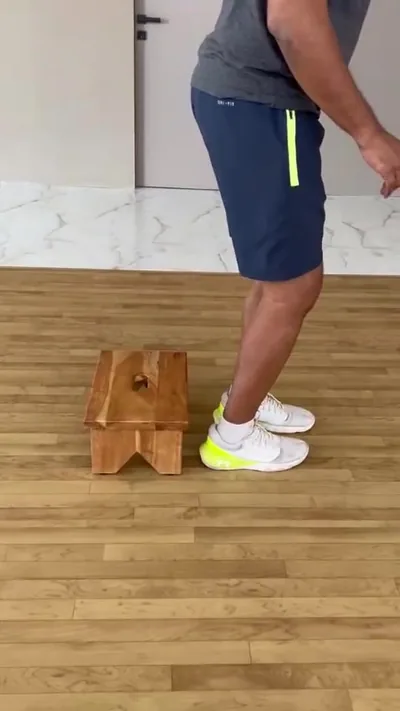
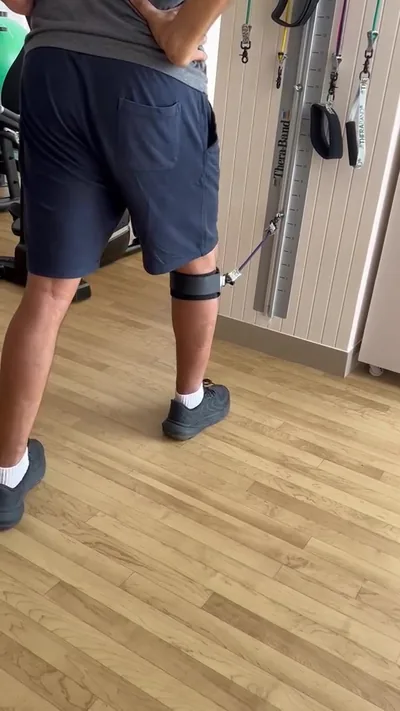
Backward Walking in ACL Rehab Phase 2
Backward walking helps athletes recover from ACL injuries. It builds knee stability in Phase 2 of rehab. This exercise targets quadriceps and improves control after surgery…
Read article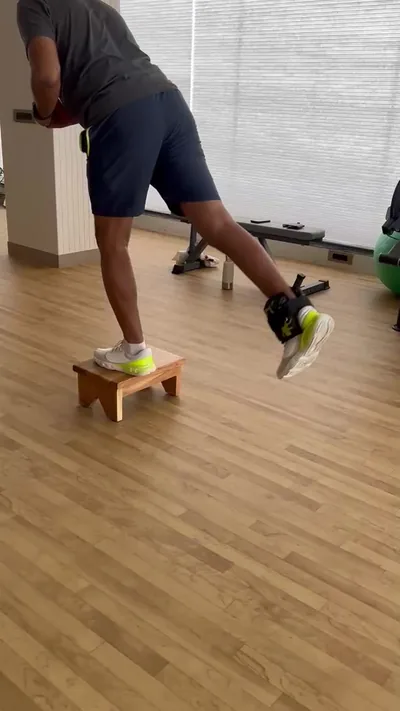

After hip replacement, descending stairs safely challenges patients at week 8. Balance issues persist from reduced hip strength and altered gait. Patients feel unsteady, raising fall risk. The new hip needs time to settle; glutes and hip abductors regain control. In Jaipur homes with narrow or steep stairs, this affects daily tasks.
Week 8 marks progression. Muscle control improves, but coordination lags. Physiotherapists check hip range of motion, weight-bearing, and stability before advancing. Issues include hip drop on operated side and hesitation leading with that leg, from fear of pain or buckling. Mastering stairs prevents isolation in multi-level homes.
At Trivayu Physio Center in Vaishali Nagar, supervised post-op rehab addresses these. Sessions start with gait analysis on flat ground, then single steps. We correct compensatory patterns early.
Handrails provide stability in hip replacement stairs training. They offload hip weight, allowing focus on controlled movement and reducing fall risk. Grip with full hand for secure hold.
In rehab, handrails support proprioception—sense of body position. They allow gradual hip load. Physiotherapists guide even weight shift, avoiding knee or back overload. This builds endurance. Looking for a Physiotherapy Near Me? Our team in Vaishali Nagar, Jaipur can assess you in person.
For week 8 stairs, handrail drills mimic daily tasks and promote even weight distribution. Initial sessions last 10-15 minutes with rest. Progress by adding speed or fewer touches.
Start handrail drills under supervision. Get in-person assessment first. Progress if pain-free. Wear supportive shoes with grip. Use stairs with sturdy handrail.
Do 2-3 times daily, 10 minutes per session. Stop if hip pain, dizziness, or instability. Pair with physiotherapist guidance. Track steps without wobble.
Balance training forms core of week 8 progress after hip replacement. It targets vestibular system, vision, and muscle feedback disrupted by surgery. Physiotherapists start eyes-open drills, advance to eyes-closed. In clinic, use foam mats or wobble boards to simulate uneven stairs.
Balance drills rebuild confidence. Sessions last 20-30 minutes twice weekly, progressing from supported to unsupported. Training adapts to Jaipur home conditions like slippery tiled floors. Read more about our Orthopaedic Physiotherapy.
Hip surgery recovery stairs use a phased plan. Weeks 1-4: good leg up, bad leg down for ascent; reverse for descent. By week 8, shift to alternating if stable. Teach descending: lead with operated leg down, non-operated up. This protects joint from torque.
For descending, plant heel first, roll through foot, keep knee soft. Hold handrail opposite stronger arm. If no handrail, use crutch opposite side until week 12. Practice on 2-3 steps first.
At Trivayu, simulate stairs with therapy steps. Physiotherapists cue: “Eyes forward, core tight, breathe steadily.” They spot from behind. Home practice follows clinic demos.
Boost stairs recovery with these daily, 10-15 reps each, on stable surfaces.
Integrate with clinic techniques like clinical Pilates and exercise therapy at Trivayu. Pilates uses reformer for controlled hip alignment in simulated steps.
Physiotherapy for hip replacement in Jaipur tailors to local needs like steep home or temple stairs. At Trivayu, post-op rehab starts day one if possible. Combine manual therapy for tight tissues, electrotherapy for swelling, and progressive drills.
Initial visits assess scar mobility, hip flexion (aim 90 degrees by week 8), abductor strength. Home programs include form photos for feedback. Online consultations review stair videos. You may also find Hip Replacement Toilet Transfer Using Rails in Jaipur useful.
Our team handles post hip replacement stairs in Jaipur. Dr. Jyoti Choudhary, 17+ years in sports and orthopaedics, leads rehab with gait retraining. Dr. Hritika Choudhary specialises in electrotherapy, using TENS for nerve sensitivity in balance work.
Dr. Ajit Choudhary focuses on post-surgery cases with robotic spinal decompression for back tension and clinical Pilates for core stability. Locations: Vaishali Nagar at 204, 2nd Floor, Om Tower, Gandhi Path Road, Nemi Nagar; Vidyadhar Nagar at Rangoli Gardens.
We offer home visits and online consultation for form checks. Open Mon-Sat 8 am to 8 pm, Sun 10 am to 1 pm.
Seek help for sharp pain, swelling, limping, or balance loss on flat ground. Return if stair hesitation worsens or frequent catches occur.
If stairs feel unsafe, book assessment. Signs: hip instability, fear of falling, excessive wall use. Physiotherapy refines week 8 handrail exercises and advances to unassisted descent.
Lead with operated leg, hold handrail. Step heel first, knee over ankle, body upright. Go slow, one step. Supervised practice builds rhythm.
Single leg holds, controlled step-downs, alternating leads, marches, pauses. Grip handrail. Progress under guidance.
Around week 8 if strength builds and pain eases. Varies—get assessed before full flights.
Yes, for tailored drills and supervision. Clinics like Trivayu offer post-op rehab to prevent falls on local stairs.
Bridges for strength, single-leg stands for balance, heel-to-toe walks for coordination, side lifts for stability. Combine with handrail work daily.
Assess gait first, layer drills from static to dynamic. Use cues for alignment, spot for safety, adjust per feedback.
Balance on stairs improves with consistent practice after hip replacement. Follow progression for safer descent. Recovery varies—personalised care matters.
Book an assessment at Trivayu Physio Center today. WhatsApp +91 90570 65065 or call for stairs balance support in Jaipur.
Physiotherapy is not the right first step for everything. Seek medical assessment promptly if any of the following apply to you:
If you lose control of your bladder or bowels, develop numbness around the groin, or have chest pain or breathlessness, treat it as an emergency and go to hospital.
Truly thankful to Dr. Jyoti Choudhary and the entire team of Trivayu Physio Centre for their genuine care, humble behaviour, and excellent treatment.
Mahesh Dhaka, Google review
This is one patient's own account, published with consent on our reviews page. It describes their experience, not a predicted outcome. Individual results vary.
Backward walking helps athletes recover from ACL injuries. It builds knee stability in Phase 2 of rehab. This exercise targets quadriceps and improves control after surgery…
Read articleAfter ACL surgery, rebuilding knee strength takes time and care. ACL rehabilitation phases guide this process step by step. Phase 1 protects the graft and cuts…
Read articleAfter hip replacement surgery, dressing your lower body safely helps build independence. By week 6 of hip replacement recovery, many patients aim to dress without help.…
Read articleMessage us on WhatsApp with your main concern and preferred time, and we'll confirm your first visit the same day.