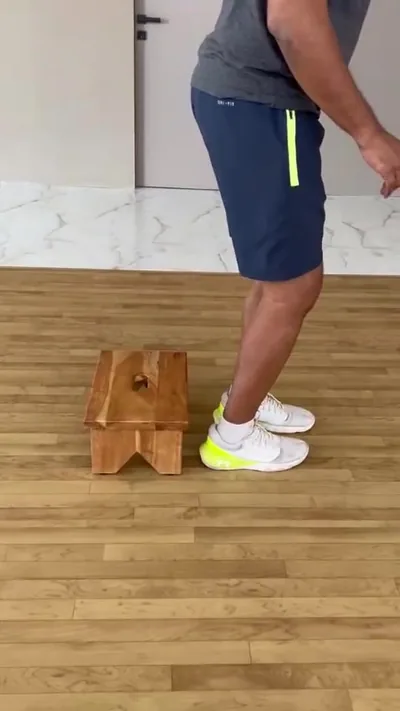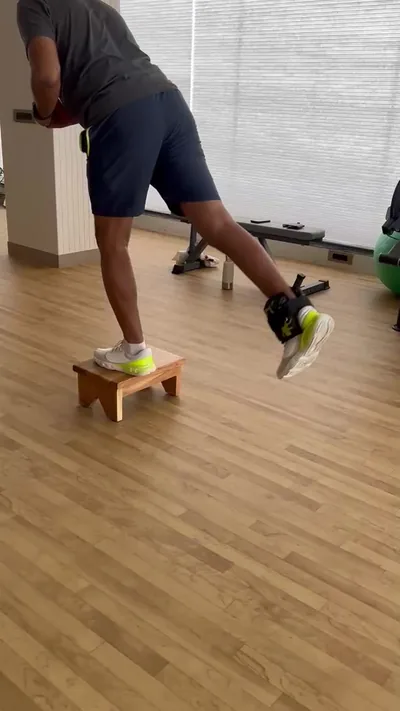
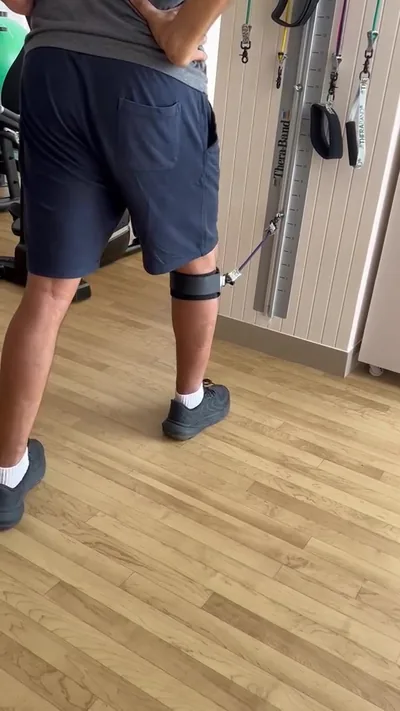
Backward Walking in ACL Rehab Phase 2
Backward walking helps athletes recover from ACL injuries. It builds knee stability in Phase 2 of rehab. This exercise targets quadriceps and improves control after surgery…
Read article

An L5 S1 disc bulge can press on nerves and cause foot drop. This weakens muscles in the foot and ankle. Early detection avoids lasting problems. Patients in Jaipur search for L5 S1 disc symptoms like foot drop causes.
Foot drop makes it hard to lift the front of the foot. It links to disc bulge leg weakness and sciatica foot drop. The toe walk test checks at home. Seek professional advice for L5 S1 pain foot drop.
This guide covers early foot drop symptoms and drop foot tests. It stresses proper checks for disc herniation foot weakness. A physiotherapist assesses gait, strength, and sensation. They watch how you walk, test muscle power by pushing against resistance, and check feeling with light touch or pinprick.
The L5 S1 disc sits between the fifth lumbar vertebra and the first sacral one. It cushions loads during bending or lifting. Sitting long hours or carrying loads strains it. Sudden twists or falls add pressure.
A bulge occurs when the outer layer weakens. The inner gel pushes out and compresses nerves. Nerve compression L5 S1 affects the sciatic nerve root. This branches to the peroneal nerve, which lifts the foot and toes. The L5 nerve root supplies tibialis anterior, the main muscle for pulling the foot upward.
This causes weak foot drop. The peroneal nerve irritates, leading to foot dragging or high-step gait. A physiotherapist tests muscles like tibialis anterior for dorsiflexion strength. They grade it from 0 (no movement) to 5 (full power against resistance). They also check extensor hallucis longus for big toe lift.
Foot drop starts with foot dragging. Toes catch on the ground. Dorsiflexor muscles fail to pull the foot up. You notice it first on uneven paths or carpets. Looking for a Rehabilitation Centre Near Me? Our team in Vaishali Nagar, Jaipur can assess you in person.
Weak ankle muscles make lifting toes hard. Tingling or numbness affects the foot or shin. Pins and needles occur along the outer shin or top of the foot. Early foot drop symptoms include a heavy feeling in the foot or slight slapping when stepping.
Disc bulge leg weakness makes stairs unstable. The knee buckles under load. Muscles weaken more if ignored, raising fall risk. Watch for ankle slap – a slapping sound as the foot hits the ground. Other clues: trouble clearing kerbs or frequent tripping on flat floors.
The toe walk test checks ankle strength for L5 S1 disc foot drop. Do it safely at home. Wear stable shoes on flat ground. Have someone watch for safety.
Normal: Balance without wobbling. Ankles strong. You feel steady in calves and arches.
Abnormal: Calves tire fast, heels drop, or cannot rise. This signals L5 S1 nerve issue. See a professional. Physiotherapists measure hold time and repeat with eyes closed for balance check. They note if one side weakens faster.
Heel walk test: Walk on heels 10 steps with arms out. Trouble points to weak foot lift from nerve compression L5 S1. Normal heels stay up; weak ones flop down quickly.
Straight leg raise (SLR) test: Lie down, lift one leg to 70 degrees with knee straight. Pain down leg suggests disc issues. Physiotherapists add ankle dorsiflexion during SLR to stress the nerve. More on Ankle Pain Treatment and how we assess it.
Sit and reach toes. Weakness if foot flops. Manual muscle testing grades strength 0-5. Drop foot test includes resisted foot lift while seated: push foot up against hand pressure.
Physiotherapist palpates spine and checks reflexes. They tap knee and ankle for brisk or absent responses. Gait analysis looks at step length, foot clearance, and hip hike.
Sciatica foot drop from L5 nerve root compression at L5 S1. Pain shoots from buttocks to foot. Peroneal branch weakens big toe lift. You feel burning or electric shocks down the leg.
Nerve compression disrupts signals. Physiotherapists teach neural glides to mobilise the nerve. Slide the leg gently while tilting head opposite. They check posture during sitting or standing. Orthopaedic Rehabilitation targets core stability with planks held on knees first.
What to expect in session: Start with posture correction. Progress to single-leg stands. Avoid forward bends if pain flares.
Weak foot drop is partial lift loss. Disc bulge leg weakness starts in thigh then foot. L5 affects hip abduction – trouble spreading legs against resistance. You may also find Slipped Disc L5 S1 Foot Drop Prevention Exercises useful.
Symptoms: tingling, then weakness. Physiotherapists assess resisted movements like foot eversion. They strengthen tibialis posterior with heel walking on edge. Session: warm-up with ankle circles, heel taps on step, balance on foam, Electrotherapy for pain, Manual Therapy for piriformis tightness. Piriformis lies deep in buttock; therapist kneads it to ease sciatic pressure.
Progression: Add weights to ankle strap for dorsiflexion curls. Home practice: 3 sets of 10 heel raises daily. Track improvement by distance walked without drag.
L5 S1 pain foot drop mixes back ache with gait change. Pain eases leaning forward but foot drags. Clinic tests: gait analysis on treadmill, heel-heel-toe walking line, ankle brace trial for stability.
Drop foot test at clinic: Electromyography if needed, but starts with clinical exam. Guidance: avoid high heels, use shoe insert with arch support. Home: toe curls on towel, scrunch cloth with toes 20 times per foot. Calf stretches against wall, hold 30 seconds, 5 repeats.
Physiotherapist approach: Identify triggers like prolonged sitting. Teach McKenzie extension if bulge central. Monitor weekly for weakness grade change.
See a doctor for assessment and scans like MRI. Physiotherapy aids recovery after clearance. Expect 45-minute sessions focusing on your weak side.
At Trivayu Physio Center in Vaishali Nagar, Jaipur, Dr. Jyoti Choudhary (17+ years in sports and orthopaedics, serves Rajasthan Senior Women’s Cricket Team) handles cases. Dr. Hritika Choudhary offers electrotherapy. Location: 204, 2nd Floor, Om Tower, Gandhi Path Road, Nemi Nagar, Vaishali Nagar, Jaipur, Rajasthan 302021. Branch in Vidyadhar Nagar, Rangoli Gardens. Hours: Mon-Sat 8 am-8 pm, Sun 10 am-1 pm. Home visits, online consultations. Plans: pain relief to strength building.
During visit: Bring comfortable clothes, note symptoms diary. Therapist explains findings same day. Home plan includes log for daily exercises.
Disc bulge presses nerve root. Disrupts signals to foot muscles, causing drop. Physiotherapists decompress with positioning like prone lying.
Foot dragging, trouble lifting toes, tingling in shin or foot, high-step walking to compensate.
Rise and walk on toes. Weak ankles or wobble flags dorsiflexion issue. Therapists time it and check symmetry.
Yes, after diagnosis. Strengthens muscles, reduces pressure, improves gait through targeted exercises.
After medical clearance. Contact Trivayu if persists with back pain or worsens on stairs.
SLR, heel walk, muscle grading 0-5, neural tension tests like slump test. Gait video for review.
Spot L5 S1 disc foot drop early. Act on symptoms. Assessment guides recovery. Home: ice back 15 minutes twice daily, short supported walks with stick. Ankle band pulls for resistance. Build tolerance gradually.
Book assessment at Trivayu Physio Center. WhatsApp +91 90570 65065 or call.
Physiotherapy is not the right first step for everything. Seek medical assessment promptly if any of the following apply to you:
If you lose control of your bladder or bowels, develop numbness around the groin, or have chest pain or breathlessness, treat it as an emergency and go to hospital.
Truly thankful to Dr. Jyoti Choudhary and the entire team of Trivayu Physio Centre for their genuine care, humble behaviour, and excellent treatment.
Mahesh Dhaka, Google review
This is one patient's own account, published with consent on our reviews page. It describes their experience, not a predicted outcome. Individual results vary.
Backward walking helps athletes recover from ACL injuries. It builds knee stability in Phase 2 of rehab. This exercise targets quadriceps and improves control after surgery…
Read articleAfter ACL surgery, rebuilding knee strength takes time and care. ACL rehabilitation phases guide this process step by step. Phase 1 protects the graft and cuts…
Read articleAfter hip replacement surgery, dressing your lower body safely helps build independence. By week 6 of hip replacement recovery, many patients aim to dress without help.…
Read articleMessage us on WhatsApp with your main concern and preferred time, and we'll confirm your first visit the same day.