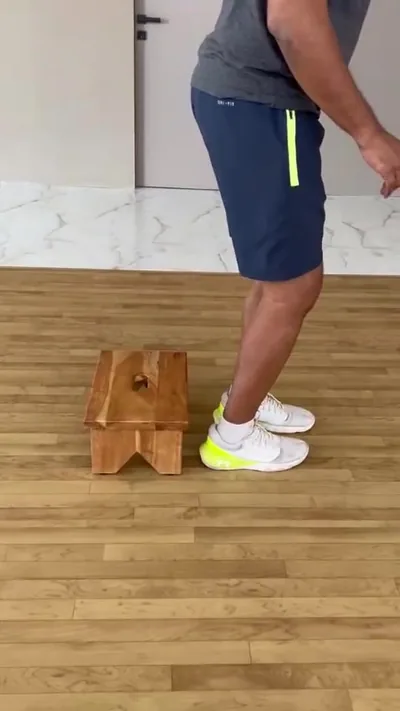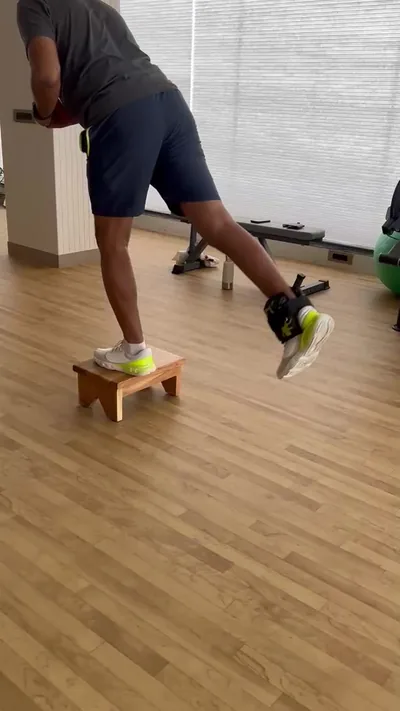
Backward Walking in ACL Rehab Phase 2
Backward walking helps athletes recover from ACL injuries. It builds knee stability in Phase 2 of rehab. This exercise targets quadriceps and improves control after surgery…
Read article

A slipped disc at L5 S1 can press on nerves. This may lead to foot drop. Foot drop means weakness in lifting the front of your foot. Early action helps prevent this. In Jaipur, many face L5 S1 slipped disc foot drop risks from daily strain or injury.
Slipped disc symptoms include sharp lower back pain that worsens with bending or coughing. Leg tingling or burning often follows down the thigh. L5 S1 nerve compression often causes sciatica foot drop, where pain shoots to the foot. Strengthening foot muscles early supports nerve recovery. These foot drop prevention exercises focus on safe starts for early disc patients.
Always get a proper check-up first. Self-exercises aid but do not replace physiotherapy for L5 S1 disc care. Trivayu Physio Center in Vaishali Nagar offers assessments. A physio will test foot lift strength, check reflexes, and note numbness patterns.
The L5 S1 disc sits at the base of your spine. It cushions the lowest lumbar and top sacral bones. A slipped disc L5 S1 happens when the disc bulges or herniates. This can compress the L5 or S1 nerve roots, which control leg and foot muscles.
L5 S1 nerve compression leads to foot drop from peroneal nerve weakness. The peroneal nerve branches from the sciatic nerve and powers foot-lift muscles. You may drag your foot or struggle to lift toes on stairs. Early intervention avoids lasting harm. Jaipur patients with back pain should watch for these signs after twists or prolonged driving. Looking for a Physiotherapy Near Me? Our team in Vaishali Nagar, Jaipur can assess you in person.
Physiotherapy for L5 S1 disc starts with assessment. A professional checks posture and movement. They test straight leg raise to gauge nerve irritation. This spots risks before foot weakness worsens. Do not delay if pain spreads down your leg or you feel calf weakness.
Slipped disc symptoms build gradually. Lower back ache starts dull but sharpens with forward bends. Pain may ease lying flat but return on standing. Sciatica from L5 S1 nerve compression sends pain, tingling, or numbness from buttock to calf and foot.
L5 nerve compression affects the outer shin and top of foot. S1 hits the sole and little toe. Both can weaken ankle lift, leading to foot drop. Watch for pins-and-needles in the foot after sitting long. Muscle wasting in the shin signals delay—act then. If symptoms wake you at night or limit walking, note details for your physio.
Spot early signs to act fast. Foot slaps occur when your foot hits the ground hard while walking due to poor lift. Difficulty lifting toes makes steps high or uneven, risking trips. More on Ankle Pain Treatment and how we assess it.
Tingling or numbness in the foot signals nerve issues. Muscle fatigue in the shin or calf follows after short walks. These point to L5 S1 slipped disc foot drop starting. Sciatica foot drop adds knee buckling from weak lift.
Monitor daily walks. Test by walking heel-to-toe in a straight line—if you wobble, note it. If symptoms grow, seek Trivayu Physio Center in Vaishali Nagar, Jaipur. Early visits prevent full foot drop. Call for an assessment if weakness lasts over a few days.
Start these foot drop prevention exercises gently after clearance. Do them on a firm surface. Stop if back or leg pain increases. Aim for 2 sets daily. Breathe steadily—exhale on effort.
Consult a physio before starting. These suit early stages of disc herniation, before severe weakness sets in.
Progress slowly over weeks. Track reps in a notebook. Manual Therapy can ease initial tightness.
Nerve recovery takes time as swelling eases around L5 S1. Early exercises maintain muscle bulk, aiding signals from recovering nerves. Peroneal nerve exercises like dorsiflexion rebuild pathways. You may also find Slipped Disc Foot Drop Exercises in Jaipur useful.
Strengthening foot muscles prevents contractures. A physio monitors progress, adding resistance as nerves wake. Avoid high-impact till strength builds.
Trivayu Physio Center uses targeted methods. Robotic Spinal Decompression Therapy stretches the spine to reduce pressure on the L5 S1 disc, easing nerve pinch.
Electrotherapy calms nerve pain via TENS or interferential currents. Myofascial Release eases tight muscles around the spine. Dry Needling targets trigger points. Orthopaedic Rehabilitation builds posture to unload the disc.
Dr. Jyoti Choudhary, with 17+ years in orthopaedics, leads spine care. Her team tailors plans for sciatica foot drop. In-person sessions beat self-exercises.
Trivayu Physio Center serves Vaishali Nagar at 204, 2nd Floor, Om Tower, Gandhi Path Road, Nemi Nagar. Also at Vidyadhar Nagar, Rangoli Gardens. Open Mon-Sat 8 am to 8 pm, Sun 10 am to 1 pm.
Our team excels in spine and post-op rehab. Dr. Hritika Choudhary handles electrotherapy. Dr. Ajit Choudhary covers neuro issues like foot drop. Contact +91 90570 65065 for spine care.
Foot drop is weakness lifting the foot’s front part. In L5 S1 slipped disc, herniation compresses nerves. This affects shin muscles, causing dragging or slapping gait. Peroneal nerve bears the brunt.
Early exercises can maintain strength. They support nerve recovery. Pair with physio. Outcomes vary by case and start time.
Try towel scrunches, heel raises, ankle dorsiflexion, and resisted eversion. These build foot strength safely. Start slow and get assessed first.
Seek help if foot slaps, toes won’t lift, or tingling persists beyond rest. Visit Trivayu Physio Center soon. Note symptom triggers.
Physio reduces disc pressure and strengthens muscles. Techniques like decompression and electrotherapy aid nerve function. Custom plans guide recovery.
Sciatica foot drop stems from L5 S1 nerve compression irritating the peroneal branch. Disc bulge pinches as you move, weakening foot lift.
Prevent foot drop with early steps. Professional care ensures progress without harm.
Book an assessment at Trivayu Physio Center today. WhatsApp https://wa.me/919057065065 or call +91 90570 65065.
Physiotherapy is not the right first step for everything. Seek medical assessment promptly if any of the following apply to you:
If you lose control of your bladder or bowels, develop numbness around the groin, or have chest pain or breathlessness, treat it as an emergency and go to hospital.
Truly thankful to Dr. Jyoti Choudhary and the entire team of Trivayu Physio Centre for their genuine care, humble behaviour, and excellent treatment.
Mahesh Dhaka, Google review
This is one patient's own account, published with consent on our reviews page. It describes their experience, not a predicted outcome. Individual results vary.
Backward walking helps athletes recover from ACL injuries. It builds knee stability in Phase 2 of rehab. This exercise targets quadriceps and improves control after surgery…
Read articleAfter ACL surgery, rebuilding knee strength takes time and care. ACL rehabilitation phases guide this process step by step. Phase 1 protects the graft and cuts…
Read articleAfter hip replacement surgery, dressing your lower body safely helps build independence. By week 6 of hip replacement recovery, many patients aim to dress without help.…
Read articleMessage us on WhatsApp with your main concern and preferred time, and we'll confirm your first visit the same day.