Knee Pain from Kneeling in Temple Prayers Jaipur
Knee pain from kneeling during temple prayers affects many elderly and adults in Jaipur. Prolonged kneeling on hard floors strains knees. Protective exercises before and after…
Read article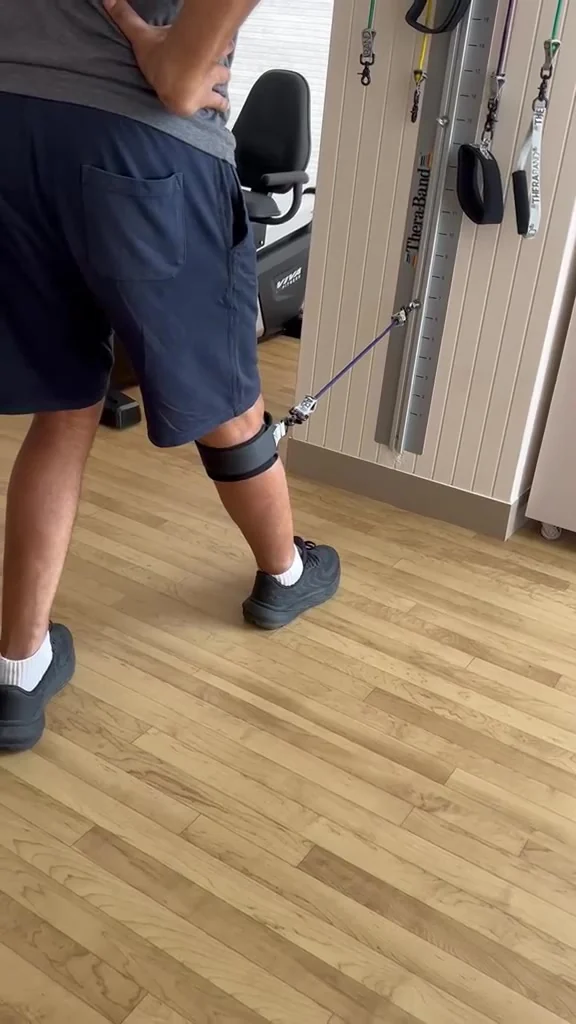
Devout visitors in Jaipur face knee pain from temple stairs at Galtaji or Nahargarh. Descent strains knees more than ascent.
Knee strain causes pain around kneecap or below. Trivayu Physio Center in Vaishali Nagar helps. Physiotherapists assess muscle strength, joint movement, walking patterns in person. Looking for a Physiotherapist in Jaipur? Our team in Vaishali Nagar, Jaipur can assess you in person.
Descent loads knee with two to three times body weight per step. Quadriceps brake to stop drops. Weak quads add stress.
Patella presses against thigh bone. Long flights at Galtaji worsen this. Steep drops at Nahargarh increase load. Uneven stone steps add twist risks.
Weak quads, poor posture, tight calves, weak hips contribute. Temple paths mix ascent and descent, tiring muscles. See physiotherapist for assessment.
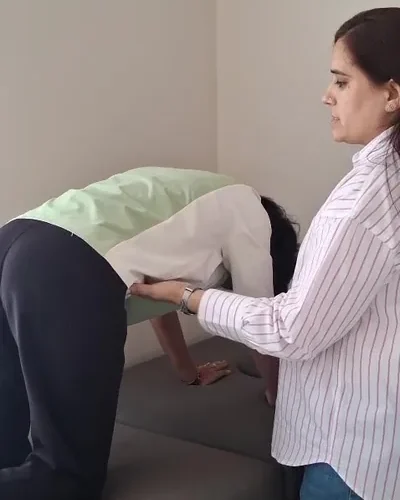
Strong quads absorb shock on descent. Build with home exercises. Physiotherapist shows form. Start with fewer reps. Progress when pain-free.
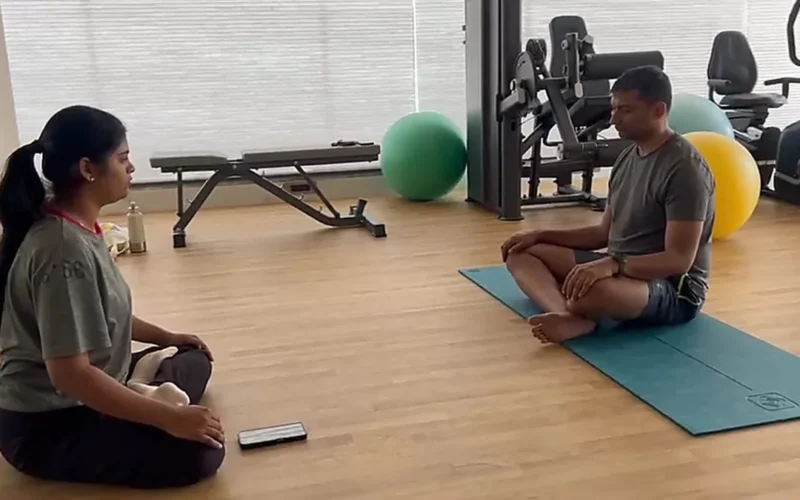
Trivayu offers exercise therapy, clinical Pilates. Start slow after warm-up like marching in place for 2 minutes. Breathe steadily.
Do 3 times a week. Exhale on effort, inhale to relax. Stop if pain beyond mild ache. Rest 48 hours between sessions.
Good form reduces stress. Practice on home stairs first, 5 steps at a time. Physiotherapist corrects gait in clinic, using video if needed.
Pause every 10 steps to reset posture. Wear supportive shoes with grip, cushion at heel and arch.
Warm up with 5 minutes marches or leg swings at temple base. Swing each leg forward-back 10 times.
Choose gentler slopes at Nahargarh first. Split visits into shorter climbs, rest on landings, descend slowly. Hydrate every 15 minutes.
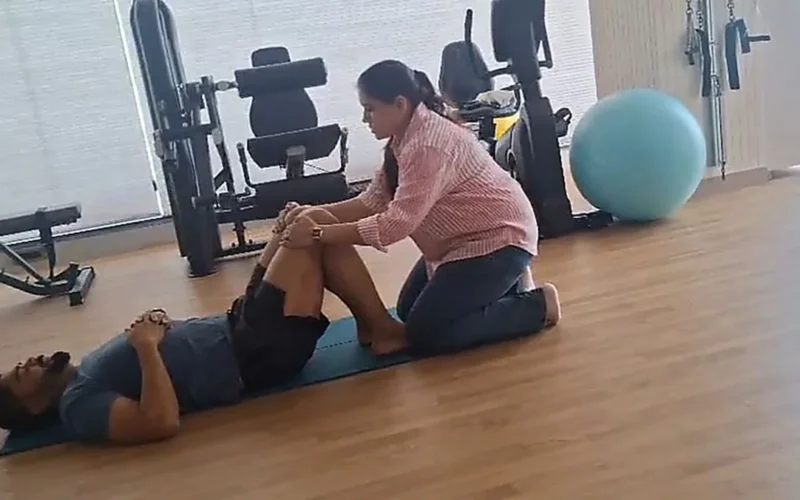
Add bridges: lie on back, feet flat, lift hips squeezing glutes. Hold 10 seconds, lower slowly. 10 reps. Strengthens back chain for knee support.
For quadriceps exercises pain: if straight leg raises hurt, place rolled towel under knee to support patella. Reduce lift height to 5 cm.
Week 1: Master techniques on 10 home steps daily. Descend 3 times, pause between. Note knee feel.
Week 2: Add quad exercises 3 days. Do wall sits first, shortest hold. Pair with calf stretch after.
Week 3: Combine on stairs. Step-up exercise before temple practice. Aim for 20 steps pain-free.
Modify if pain: shallower squat angles, use wall for support in leg raises, fewer holds. Physiotherapists adjust during assessment, adding props like therapy bands.
Simulate temple: Find 20 home steps or park incline. Time descents, rate pain 1-10 scale. Reduce reps if over 3. Increase only when under 2. Read more about our Post-Surgery & Joint Replacement Rehab in Jaipur.
Ascent uses glutes more, but descent dominates pain. For full temple round: ascend upright, chest open, short steps. Descend as above.
On Galtaji’s 300+ steps: break into 50-step segments. Sit on intermediate platforms 2 minutes, do seated quad tightens.
Muscle strengthening routines: alternate quad focus with hip work. Side leg lifts: lie on side, lift top leg 20 cm, 10 reps.
Pain-free stair walking goal: descend 50 steps without stop. Practice daily, add backpack weight gradually like temple bags. Stop if quad burns sharply.
Trivayu treats knee pain with orthopaedic physiotherapy, sports rehab, pain management, post-surgery rehab.
Class IV laser reduces inflammation around knee. Electrotherapy eases muscle pain with TENS. Dry needling releases tight quad knots.
Team: Dr. Jyoti Choudhary, senior sports/orthopaedic, 17+ years. Dr. Hritika Choudhary, electrotherapy specialist. Dr. Ishu Sharma, exercise therapy expert.
Locations: Vaishali Nagar, 204, 2nd Floor, Om Tower, Gandhi Path Road, Nemi Nagar. Vidyadhar Nagar, Rangoli Gardens. Hours: Mon-Sat 8am-8pm, Sun 10am-1pm.
Warm up thighs before stairs with marching. Strengthen quads weekly. Stretch calves, hamstrings after: seated forward bend, hold 30 seconds.
Posture: shoulders back, core tight, knees soft not locked. Lose extra weight gradually to lighten stair load. Choose less steep paths where possible.
Track pain: note when it starts, what worsens it like speed or slope. If lasts over days or swells, seek physio early.
Use handrails both hands, strengthen quads with raises and sits, descend slowly controlled. Good grip shoes. Sideways on steeps. Get assessment for your pattern.
Straight leg raises, wall sits, mini squats, step-ups, seated presses. Do regular under physio guidance. Modify depth if quad pain.
Often signals muscle strain. Mild eases with rest and strength. Persistent needs check for tendon or joint wear.
If over a week, swells, gives way, or limits daily stairs. Early visit prevents long-term issues. If one knee weaker.
Yes, through targeted strengthening, technique training, manual release. Individual results vary by starting point.
Grip rails firm, lead with strong leg, knees bent 30 degrees, sideways or backward on steep drops. Pause often.
Warm up 2 minutes, use shallow ranges first, stop at any sharp discomfort. Add support like chair.
Knee pain need not stop temple visits. Techniques, stronger quads, and prevention let you climb freely.
Book in-person assessment. Call +91 90570 65065 or WhatsApp.
Physiotherapy is not the right first step for everything. Seek medical assessment promptly if any of the following apply to you:
If you lose control of your bladder or bowels, develop numbness around the groin, or have chest pain or breathlessness, treat it as an emergency and go to hospital.
Truly thankful to Dr. Jyoti Choudhary and the entire team of Trivayu Physio Centre for their genuine care, humble behaviour, and excellent treatment.
Mahesh Dhaka, Google review
This is one patient's own account, published with consent on our reviews page. It describes their experience, not a predicted outcome. Individual results vary.
Knee pain from kneeling during temple prayers affects many elderly and adults in Jaipur. Prolonged kneeling on hard floors strains knees. Protective exercises before and after…
Read articleMany new mothers in Jaipur notice a soft gap in their belly after delivery. This is diastasis recti postpartum. Abdominal muscles separate during pregnancy. Core activation…
Read articleLeg weakness after stroke affects walking and balance. Stroke survivors in Jaipur face this. Home exercises build strength if done safely. Seated exercises start easy. Standing…
Read articleMessage us on WhatsApp with your main concern and preferred time, and we'll confirm your first visit the same day.