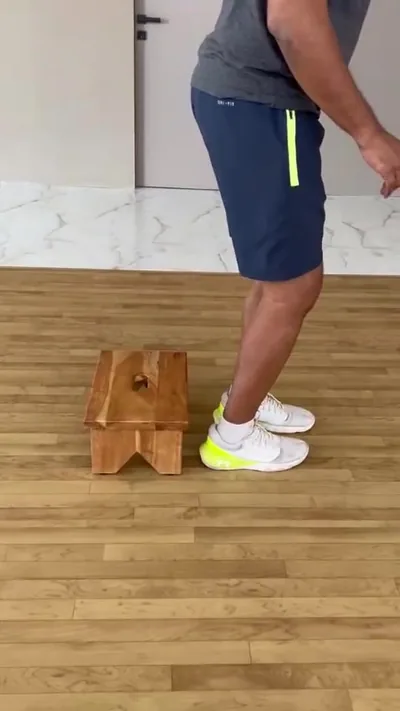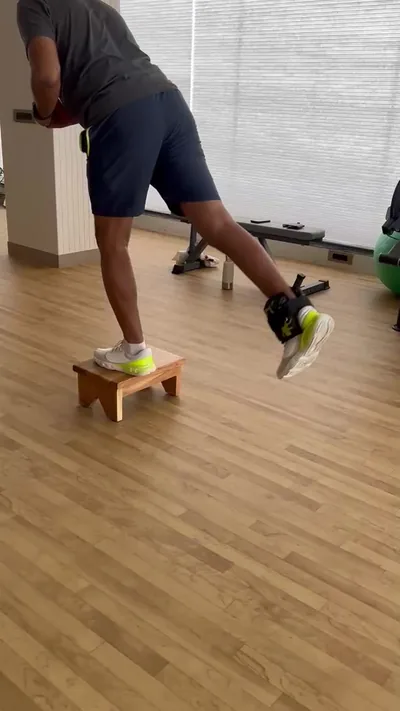
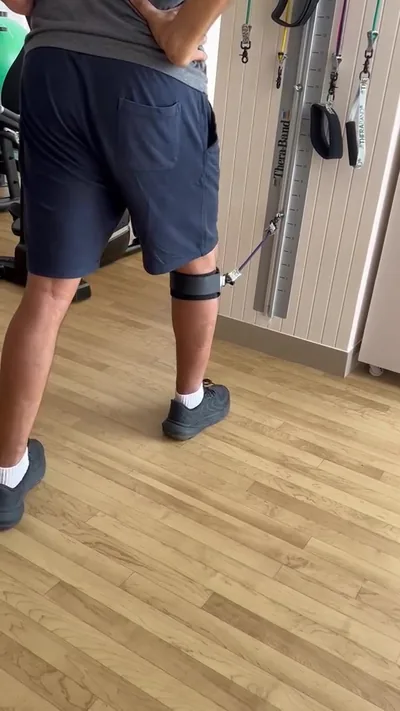
Backward Walking in ACL Rehab Phase 2
Backward walking helps athletes recover from ACL injuries. It builds knee stability in Phase 2 of rehab. This exercise targets quadriceps and improves control after surgery…
Read article

Sciatica causes sharp pain down the leg from the lower back. It often flares when you stand from a chair. This happens because sitting compresses the sciatic nerve. For sedentary workers in Jaipur, this daily task brings nerve pain leg when standing.
Sciatica symptoms sitting to standing include shooting pain, numbness or tingling. The pain stems from pressure on the nerve root, often from a slipped disc or tight muscles. A safe way to stand from chair with sciatica can reduce this. Proper technique helps avoid sciatica flare up standing.
These tips suit office workers with back pain standing from chair. They ease sciatica pain when getting up from sitting. Always get an in-person assessment for your case. Recovery varies by person.
Sciatica is irritation of the sciatic nerve. This nerve runs from the lower back through the hips and down each leg. Pain starts in the lower back or buttock and travels down the leg.
When rising from a chair, pain triggers due to movement stress on the spine. Forward bending while standing loads the lumbar discs. This presses on the nerve root. Sedentary Jaipur workers face this often from long desk hours.
Common signs include leg pain worse with sitting to standing shifts. You may feel weakness or pins-and-needles. Note any changes. See a physiotherapist for a proper check. Self-help aids daily life but does not replace assessment.
Physiotherapists approach sciatica by first checking your posture and movement patterns. They watch how you sit and stand. This reveals if tight hip flexors or weak glutes contribute. They test nerve tension with straight-leg raises. Expect questions on when pain starts, like during morning stands or after long sits. They measure leg strength and spine flexibility too. Looking for a Physiotherapist Near Me? Our team in Vaishali Nagar, Jaipur can assess you in person.
Poor sitting posture strains the sciatic nerve. Slouching rounds the lower back. This shortens hip flexors and tightens hamstrings. The nerve gets pulled during rise.
Long sitting builds pressure on spinal discs. Discs bulge backward under load. This pinches nerve roots. Weak core muscles fail to stabilise the spine. Tight piriformis muscle in the buttock can trap the nerve too.
Sedentary habits worsen it. Jaipur office workers sit for hours without breaks. This leads to muscle imbalance. Standing then sparks sciatica pain standing from chair.
Nerve pain leg when standing often feels like electric shocks down the calf or foot. It worsens if you rush the rise. Back pain standing from chair comes from lumbar strain. The spine twists if one leg pushes harder. Sciatica symptoms sitting to standing build gradually in long meetings. Tingling spreads if you lean side-to-side while seated.
Use this step-by-step method to stand up without sciatica pain. It protects the spine and nerve. Practice slowly. A physiotherapist would guide you hands-on, correcting hip tilt or arm use.
Breathe steadily. Inhale to prepare, exhale to rise. This proper technique rise from chair sciatica unloads the nerve. Repeat for sciatica relief Jaipur routines. If pain shoots during step 4, stop and sit back. Adjust feet wider next try. More on Ankle Pain Treatment and how we assess it.
What to expect: First attempts feel awkward. Muscle memory builds in days. Physiotherapists add cues like “squeeze glutes at top” for stability. They check if your chair height forces forward bend.
Choose the right chair. It should support lower back with lumbar curve. Feet reach floor without strain. Adjust height if needed. Add a small cushion if lumbar gap persists.
Fix sitting posture. Keep knees at 90 degrees. Use a footrest if short. Avoid crossing legs. Set reminder for good form. Position hips slightly higher than knees to open hip angle.
Take micro-breaks. Stand every 30 minutes. Walk a few steps. This cuts disc pressure. During breaks, do heel-toe rocks: Shift weight heel to toe while standing. This wakes leg nerves gently.
Do simple stretches before standing. Seated piriformis stretch: Cross ankle over opposite knee. Lean forward gently from hips. Hold 20 seconds each side. Feel stretch in buttock, not back. Seated hamstring stretch: Extend one leg, heel on floor, toes up. Lean forward slightly. Alternate sides. You may also find Sciatica Pain Standing from Chair: Safe Rise Tips useful.
To avoid sciatica flare up standing, warm legs first. March in place seated: Lift knees one by one for 30 seconds. This loosens hamstrings. Stand practice twice daily without pain triggers.
For back pain standing from chair, strengthen glutes daily. Bridge exercise on floor: Lie on back, knees bent, lift hips. Hold 5 seconds, lower slow. Do 10 reps. This supports spine rise. Nerve pain leg when standing eases with calf stretches: Face wall, one foot back, heel down. Hold 20 seconds.
Physiotherapists teach these in sessions. They progress to standing glute squeezes: Stand, squeeze butt cheeks 10 times. This builds endurance for workdays. Track pain in a notebook: Note time, activity, intensity. Share at assessment.
Seek help if pain lasts over weeks. Signs include leg weakness, loss of bladder control, or pain at night. Numbness in saddle area needs urgent care.
Trivayu Physio Center in Vaishali Nagar, Jaipur helps. Also at Vidyadhar Nagar, Rangoli Gardens. Team includes Dr. Jyoti Choudhary, senior sports and orthopaedic physiotherapist with 17+ years. Dr. Hritika Choudhary specialises in advanced electrotherapy and post-op rehab.
They offer Manual Therapy, Orthopaedic Rehabilitation and Electrotherapy for sciatica. Techniques like Robotic Spinal Decompression Therapy reduce nerve pressure. Book an assessment to tailor your plan. Home visits and online options available. Expect 45-minute sessions: Posture analysis, technique practice, home exercises.
Rising compresses spinal discs and pulls the sciatic nerve. Poor posture adds strain. This pinches the nerve root. Slouched sits preload tension.
Sit forward, brace core, use arms for support, push through feet. Keep back straight. Breathe out on rise. Pause upright.
Yes. Physios assess cause and teach techniques. They use therapies to ease nerve pressure. Results vary. They address muscle chains fully.
It differs. Mild cases improve in weeks with care. Persistent pain needs check-up. Daily practice speeds adaptation.
If pain disrupts daily tasks, lasts weeks, or with weakness. Early help prevents worsening. Note patterns for faster diagnosis.
They observe your rise, test nerve glide, check strength. Palpate tight spots. Custom plan follows.
Re-check posture. Add core work. Get assessed for disc or muscle issues. Don’t push through sharp pain.
Safe rising eases sciatica pain standing from chair. Build habits to avoid flare-ups. For personalised care, book an assessment at Trivayu Physio Center. WhatsApp or call +91 90570 65065.
Physiotherapy is not the right first step for everything. Seek medical assessment promptly if any of the following apply to you:
If you lose control of your bladder or bowels, develop numbness around the groin, or have chest pain or breathlessness, treat it as an emergency and go to hospital.
Truly thankful to Dr. Jyoti Choudhary and the entire team of Trivayu Physio Centre for their genuine care, humble behaviour, and excellent treatment.
Mahesh Dhaka, Google review
This is one patient's own account, published with consent on our reviews page. It describes their experience, not a predicted outcome. Individual results vary.
Backward walking helps athletes recover from ACL injuries. It builds knee stability in Phase 2 of rehab. This exercise targets quadriceps and improves control after surgery…
Read articleAfter ACL surgery, rebuilding knee strength takes time and care. ACL rehabilitation phases guide this process step by step. Phase 1 protects the graft and cuts…
Read articleAfter hip replacement surgery, dressing your lower body safely helps build independence. By week 6 of hip replacement recovery, many patients aim to dress without help.…
Read articleMessage us on WhatsApp with your main concern and preferred time, and we'll confirm your first visit the same day.