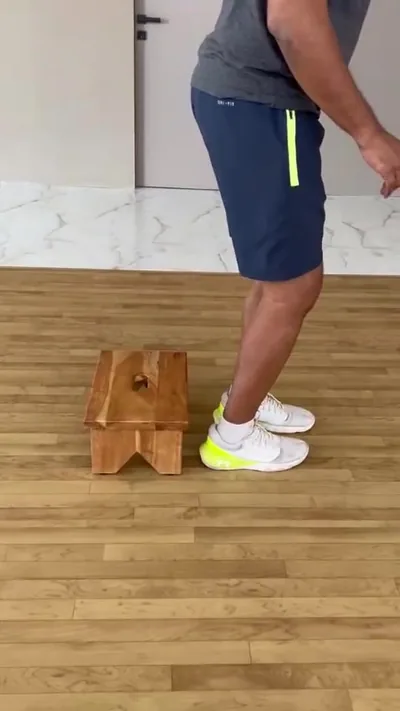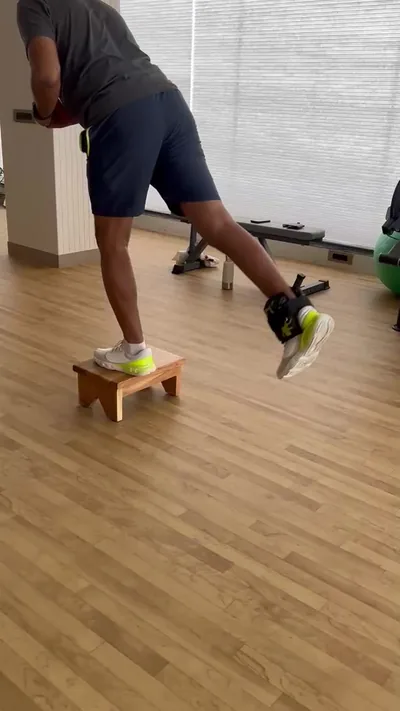
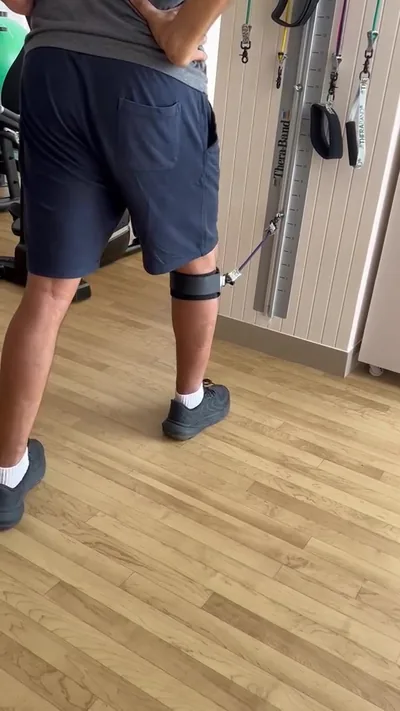
Backward Walking in ACL Rehab Phase 2
Backward walking helps athletes recover from ACL injuries. It builds knee stability in Phase 2 of rehab. This exercise targets quadriceps and improves control after surgery…
Read article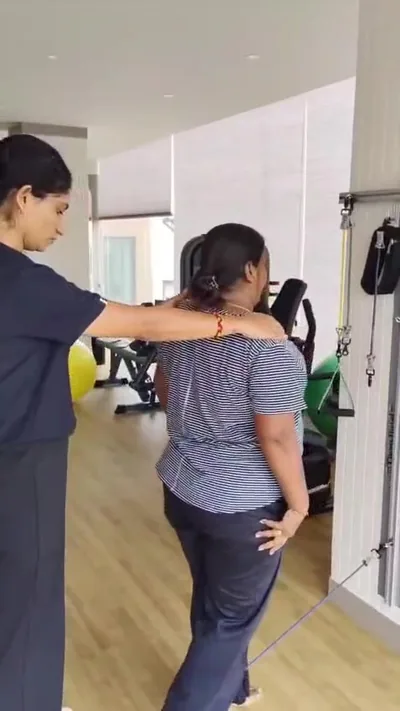

Sciatica refers to pain along the sciatic nerve. This nerve runs from the lower back down both legs. Irritation often comes from a tight disc pressing on the nerve root. When you stand from a chair, the spine shifts. This can pinch the nerve more, sending sharp pain into the leg.
For elderly people in Vidyadhar Nagar or Vaishali Nagar, this hurts most during sit-to-stand moves. Leg pain standing happens because the nerve stretches or compresses. Common signs include shooting nerve pain legs, tingling, or weakness from buttock to foot. Back pain rising from chair worsens if posture slumps. The move loads the spine unevenly. Glutes and hamstrings must fire to lift the body. If they weaken with age, the lower back takes extra load. This pulls on the irritated nerve root.
Sciatica Vaishali Nagar cases often link to daily routines. Sitting long in low chairs tightens hip flexors. Rising then tugs the nerve. Pain shoots down the leg as you push up. Elderly notice it more because balance shifts. They lean back or twist, adding twist to the nerve pinch. Slow rises help test limits without full flare-up. Watch for burning in the calf or thigh. That signals nerve glide issues.
Pain-free standing sciatica needs a plan. Follow these steps for safe rising techniques each time. A physiotherapist teaches this in clinic to match your body.
Use arms to take weight off the back. Feet position matters for balance. Point toes straight aids even push. Slow movements cut nerve pull. Practice sit to stand sciatica daily to build ease. Start with 5 tries per session. If pain shoots, sit back and rest 1 minute. Breathe steady through the nose. This calms the nerve response.
For chairs without arms, use a wall or table edge. Scoot forward first. Tuck pelvis under to protect the lower back. Elderly in Jaipur homes often use plastic chairs. Test height by bending knees to 90 degrees when seated. Too low means more strain. Add cushions if needed, but firm ones only. Looking for a Physiotherapist Near Me? Our team in Vaishali Nagar, Jaipur can assess you in person.
Sciatica pain when standing improves with smart habits. Choose firm chairs at right height. Knees and hips should bend equally when seated. Scoot to edge before rising. Avoid deep soft seats that sink hips low.
Avoid triggers when sitting long. Soft couches worsen it. Cross legs less. These steps aid sciatica relief Jaipur style, right at home. Track pain in a notebook. Note time, chair type, and what helped. Shows patterns for physio talk.
Heat packs on lower back 10 minutes before rising eases tight muscles. Alternate with ice if swelling feels present. Never apply direct skin. Wrap in cloth. Hydrate well. Dehydration stiffens tissues around the nerve.
Not all sciatica fades alone. Seek care for ongoing leg pain standing or numbness. Weakness in foot or loss of bladder control needs urgent check. Book an in-person assessment. Constant burning down both legs flags bigger issues.
Trivayu Physio Center in Vaishali Nagar helps. At 204, 2nd Floor, Om Tower, Gandhi Path Road, Nemi Nagar. Also at Vidyadhar Nagar, Rangoli Gardens. Team includes Dr. Jyoti Choudhary with 17+ years in sports and orthopaedics. Dr. Hritika Choudhary handles advanced electrotherapy and post-op rehab. More on Sciatica Treatment and how we assess it.
Services cover Orthopaedic Rehabilitation and Electrotherapy. Manual Therapy eases nerve pressure. A physio starts with full exam. They check spine range, leg strength, nerve tension tests. Like straight leg raise on table. Measures pull point. Gait watch shows limp patterns. Posture grid spots slumps.
What to expect first visit: 45-minute slot. Wear loose clothes. Bring pain diary. Physio explains your pattern. Sets home plan. Follow-up tracks changes. Recovery varies by case. Age, disc state, habits matter.
Gentle home exercises build strength. Do them on safe surfaces. Stop if pain grows. Refer to physio for custom plan. Aim 2 sessions daily, 10 minutes each.
Chair Stretch: Sit tall. Cross ankle over opposite knee. Lean forward gently from hips. Hold 20 seconds per side. Eases hip tightness. Breathe deep. Repeat 3 times. Loosens piriformis muscle that hugs the nerve.
Core Tighten: Sit or lie on back. Pull belly button to spine without holding breath. Hold 5 seconds. Repeat 10 times. Supports spine. Builds transverse abdominis for stable rises. You may also find Sciatica from Long Sitting: Standing Desk Stretches useful.
Leg Extension: Sit tall. Straighten one knee slowly till tight. Hold 5 seconds. Lower 10 times per leg. Builds quad strength for standing. Keep other foot flat for balance.
Glute Bridge: Lie on back, knees bent, feet flat. Lift hips using glutes. Hold 3 seconds. Lower slow. 8 repeats. Strengthens butt for sit-to-stand power. Avoid if back arches painful.
Nerve Glide: Sit. Slump forward slightly. Then straighten knee on pain side. Tilt head back gently. Small moves only. 5 slow reps. Improves nerve slide without pull. Physio demos proper form first.
These aid safe way to stand sciatica. Pair with clinic rehab for best results. Progress slow. Add reps when pain-free. Use mirror for posture check.
Sit forward. Feet flat. Use arms to push up. Rise slowly over feet. Keep back straight. Practice daily.
Standing stretches the sciatic nerve. Disc pressure or tight muscles pinch it during the move from sit to stand. Spine load shifts suddenly.
Yes, with safe techniques, posture, and stretches. See physio if pain lasts or worsens. Custom advice fits your needs.
If pain persists over weeks, leg weakness appears, or home tips fail. Get assessed soon for tailored plan.
Gentle core holds, knee extensions, hip stretches, glutes bridges, nerve glides. Always tailor with expert guidance.
Low chairs force more back bend. Aim knee height matching seat. Reduces nerve tug on rise.
Sciatica standing from chair eases with practice. Safe methods cut daily pain. Build habits for lasting comfort. Elderly in Vidyadhar Nagar gain mobility step by step. Leg pain standing drops as strength grows. Nerve pain legs calms with steady care.
Book an assessment at Trivayu Physio Center. WhatsApp +91 90570 65065 or call.
Physiotherapy is not the right first step for everything. Seek medical assessment promptly if any of the following apply to you:
If you lose control of your bladder or bowels, develop numbness around the groin, or have chest pain or breathlessness, treat it as an emergency and go to hospital.
Truly thankful to Dr. Jyoti Choudhary and the entire team of Trivayu Physio Centre for their genuine care, humble behaviour, and excellent treatment.
Mahesh Dhaka, Google review
This is one patient's own account, published with consent on our reviews page. It describes their experience, not a predicted outcome. Individual results vary.
Backward walking helps athletes recover from ACL injuries. It builds knee stability in Phase 2 of rehab. This exercise targets quadriceps and improves control after surgery…
Read articleAfter ACL surgery, rebuilding knee strength takes time and care. ACL rehabilitation phases guide this process step by step. Phase 1 protects the graft and cuts…
Read articleAfter hip replacement surgery, dressing your lower body safely helps build independence. By week 6 of hip replacement recovery, many patients aim to dress without help.…
Read articleMessage us on WhatsApp with your main concern and preferred time, and we'll confirm your first visit the same day.