Knee Pain from Kneeling in Temple Prayers Jaipur
Knee pain from kneeling during temple prayers affects many elderly and adults in Jaipur. Prolonged kneeling on hard floors strains knees. Protective exercises before and after…
Read article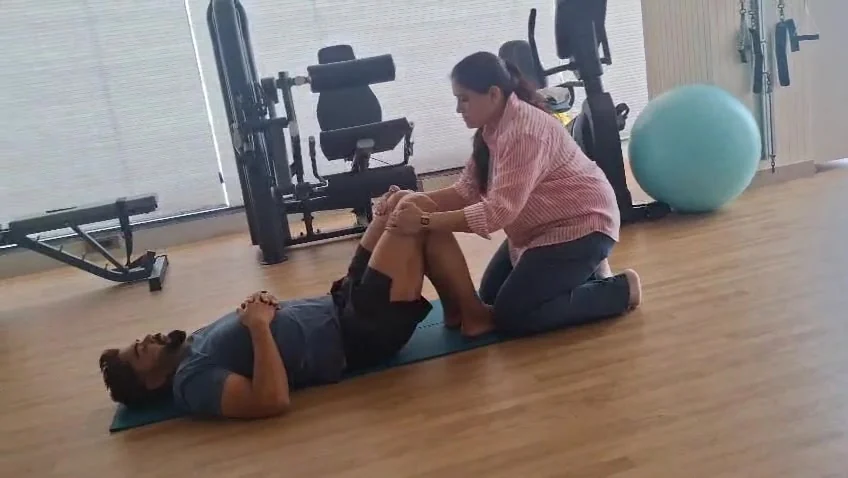

The short answer
Home physiotherapy for hip fracture in elderly Jaipur offers convenient care at home, avoiding repeated hospital trips and lowering infection risk. It enables early gentle mobilisation after surgery in familiar surroundings, with exercises like ankle pumps and glute squeezes. Families in Vaishali Nagar and Vidyadhar Nagar receive training for safe support.
Hip fractures are common among senior citizens in Jaipur, especially after a fall. Many elderly patients remain bedridden for weeks. Home physiotherapy for hip fracture in elderly Jaipur helps families manage care without repeated hospital trips.
Starting gentle activity soon after surgery supports recovery. Families in Vaishali Nagar, Vidyadhar Nagar and nearby areas often choose home visit physio for senior citizens Jaipur because it is convenient and lowers infection risk.
Recovery varies with age, overall health and how quickly mobilisation begins. A proper in-person assessment is essential before starting any programme.
Bedridden elderly patients find travel difficult. Receiving physiotherapy for bedridden elderly at home keeps them in familiar surroundings, which reduces stress. Families avoid the risk of hospital-acquired infections that can affect older adults with low immunity.
Home visits allow consistent early mobilisation after hip fracture. The physiotherapist can start gentle exercises on day one or two after discharge, adjusting them according to pain and comfort. This supports circulation and joint health without the delays of waiting for outpatient appointments.
Elderly patients are more likely to follow instructions when relaxed in their own bed. At Trivayu Physio Center our team brings portable equipment and adapts every session to the home environment in Vaishali Nagar or Vidyadhar Nagar.
Qualified guidance is essential before any movement. A physiotherapist will check the surgical site, pain level and medical clearance first. Once cleared, the following gentle movements may be introduced gradually. Looking for a Physiotherapy Near Me? Our team in Vaishali Nagar, Jaipur can assess you in person.
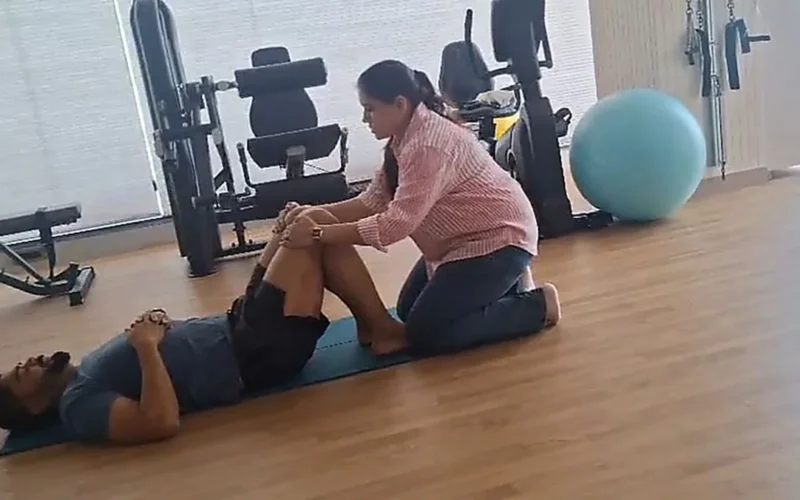
These bed exercises after hip fracture are performed in lying position and do not involve standing at the start. The physiotherapist demonstrates correct form, counts repetitions and watches for any discomfort. Sessions are short in the beginning and build as strength improves.
Prolonged bed rest carries several risks for elderly patients. Proper positioning, regular gentle movement and breathing techniques help lower these risks.
Pressure sore prevention involves changing position every two hours and using soft pillows to protect bony areas. Physiotherapists show families how to support the hips and heels correctly.
Breathing exercises for bedridden patients reduce the chance of chest infections. Simple coughing and deep breathing clear secretions that collect when a person lies still.
Early mobilisation after hip fracture, even small movements, supports overall health. Each step is explained clearly so families can continue safely between visits.
Family training for elderly hip fracture care forms an important part of home visits. Caregivers learn practical skills that continue the benefits of physiotherapy between sessions.
Training covers safe assistance with exercises, helping the patient roll or sit up, and correct positioning to avoid pressure on the hip. Caregivers are shown how to spot warning signs such as increased swelling, redness or sudden shortness of breath and when to contact the doctor. Read more about our Home Visits.
Physiotherapists demonstrate each task, then watch the family member repeat it. This hands-on caregiver instructions for physiotherapy builds confidence and ensures consistency. At Trivayu Physio Center we provide printed reminders in simple language so instructions are easy to follow at home in Jaipur.
A typical session with Trivayu Physio Center therapists lasts 45 to 60 minutes. The physiotherapist begins with a quick check of vital signs, pain and skin condition. They then guide bed exercises after hip fracture, adjusting intensity according to the patient’s response.
Manual techniques such as gentle stretches or myofascial release may be used if appropriate and safe. Breathing exercises and circulation movements are practised together. The rest of the session focuses on family education, answering questions and demonstrating the next day’s activities.
Visits are scheduled at convenient times between 8 am and 8 pm. Our team brings all necessary equipment and maintains hygiene standards at every home in Vaishali Nagar, Vidyadhar Nagar or surrounding areas. Progress is recorded and shared with the family so everyone stays informed.
Safe options include ankle pumps, gentle leg slides, glute squeezes and breathing exercises. A physiotherapist must assess the patient first and demonstrate correct technique to avoid strain on the healing hip. You may also find Physiotherapy After Hip Replacement: First Session useful.
Families can help by changing position regularly, assisting with simple circulation exercises, supporting good posture with pillows and encouraging breathing techniques. Training from a physiotherapist ensures these steps are done safely.
Many patients begin once the doctor gives clearance, often within a few days of discharge. Early mobilisation after hip fracture is usually encouraged, but only after proper medical review.
Caregivers learn safe transfers, correct positioning, how to help with bed exercises, pressure sore prevention, DVT prevention steps and how to recognise signs that need medical attention.
Home physiotherapy supports recovery at home after the initial hospital treatment. Regular physiotherapy for bedridden elderly at home combined with medical follow-up helps many seniors regain mobility, but each case is different and needs individual assessment.
Home physiotherapy for hip fracture in elderly Jaipur offers practical support for families caring for bedridden seniors. Gentle movement, complication prevention and family training can make daily care easier and safer.
Recovery takes time and varies for each person. Book an assessment with our physiotherapists through WhatsApp or call +91 90570 65065. Early guidance from qualified hands helps families provide the best possible care at home.
Physiotherapy is not the right first step for everything. Seek medical assessment promptly if any of the following apply to you:
If you lose control of your bladder or bowels, develop numbness around the groin, or have chest pain or breathlessness, treat it as an emergency and go to hospital.
Knee pain from kneeling during temple prayers affects many elderly and adults in Jaipur. Prolonged kneeling on hard floors strains knees. Protective exercises before and after…
Read articleMany new mothers in Jaipur notice a soft gap in their belly after delivery. This is diastasis recti postpartum. Abdominal muscles separate during pregnancy. Core activation…
Read articleLeg weakness after stroke affects walking and balance. Stroke survivors in Jaipur face this. Home exercises build strength if done safely. Seated exercises start easy. Standing…
Read articleMessage us on WhatsApp with your main concern and preferred time, and we'll confirm your first visit the same day.