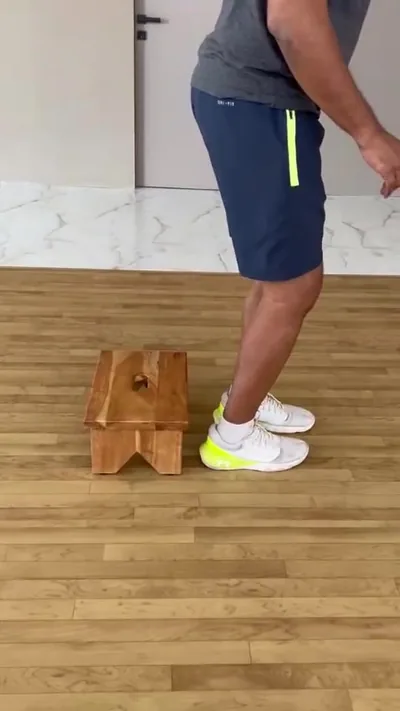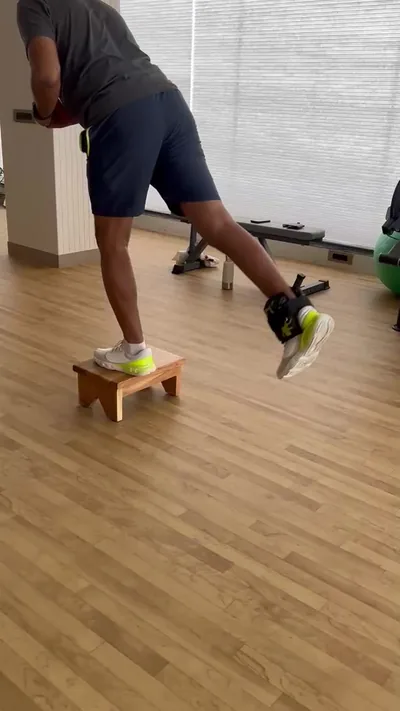
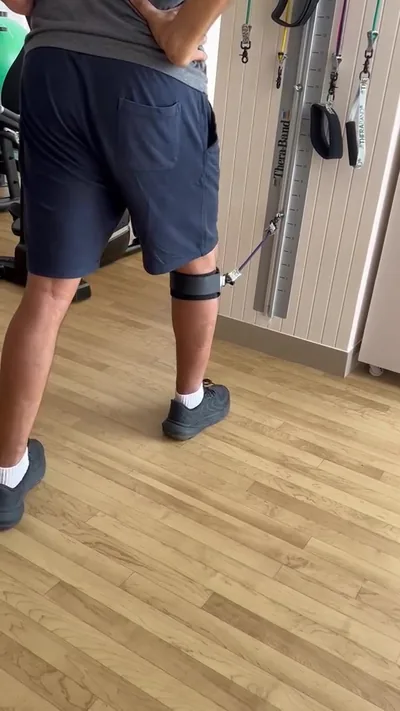
Backward Walking in ACL Rehab Phase 2
Backward walking helps athletes recover from ACL injuries. It builds knee stability in Phase 2 of rehab. This exercise targets quadriceps and improves control after surgery…
Read article

After hip replacement surgery, climbing stairs with crutches aids recovery. In weeks 2-4, protect the new hip while rebuilding strength. Safe navigation regains independence and cuts fall risks. This guide covers crutches on stairs for elderly patients post hip surgery, including step-by-step techniques for up and down, safety during weeks 2-4 rehab, and practical tips for Jaipur elderly.
Most surgeons allow partial weight-bearing on the operated leg. Follow your doctor’s advice. Poor technique risks hip strain or dislocation. Get an in-person physio assessment. At Trivayu Physio Center in Vaishali Nagar, Jaipur, we tailor Post-Surgery & Joint Replacement Rehab.
Mastering stairs takes practice. Start slow, use handrails, stop if pain rises. Elderly patients face balance and grip challenges, so take extra caution. Physios teach this in controlled sessions to build confidence without overload.
In weeks 2-4, safe stair use is key as hip heals and muscles weaken. Falls risk further injury for elderly. The new joint limits bending and rotation to avoid dislocation. Hip flexion stays under 90 degrees early on; stairs demand control to prevent excess motion.
Weight-bearing varies; many use partial on operated leg, full later. Check with surgeon. Stairs test hip flexion and extension control, plus core stability for upright posture. Elderly often have weaker quads and glutes, so operated leg fatigues fast. Looking for a Rehabilitation Centre Near Me? Our team in Vaishali Nagar, Jaipur can assess you in person.
Risks include slipping, imbalance, excess bend. Get physio assessment to check balance, strength, gait and correct habits. Physios test single-leg stance and watch crutch placement on flat ground first.
Get doctor clearance before stairs. Fit crutches properly: tops at chest height when seated, grips at hip level when standing. Test on flat ground for 10 metres, then a single low step. Adjust rubber tips for firm floor grip; replace if worn.
Clear stairs of clutter like rugs or toys. Add handrails on both sides if possible. Use good lighting and edge tape for visibility, especially for elderly with poorer eyesight. Install non-slip treads if stairs are slick.
Build balance first: stand on one leg for 10 seconds with chair support, three times per leg. Do heel raises on good leg, 10 reps. Manual Therapy eases stiffness if physio recommends. Practice near wall for support. More on Ankle Pain Treatment and how we assess it.
Physios start with flat crutch walking, then low step before full stairs. They check hip alignment with a mirror or video.
Use good leg first: “good leg up, bad leg down”. Face stairs squarely. Elderly go extra slow to manage grip and balance.
Check pain after each step; stop if sharp. Elderly: grip tighter, lean slightly into rail. First tries feel shaky; physio steadies hips and adjusts crutch height. Practice 3-5 steps daily, increasing by one weekly if steady. Spotter holds belt loop if needed.
Crutches first, then operated leg, good leg last. Face forward always; no sideways unless physio approves for very steep stairs.
This controls flexion beyond 90 degrees safely. Practice 2-3 steps slowly at first. Physio cues “crutches, bad leg, good leg” repeatedly. Reduce reps if operated leg trembles or swells. Elderly benefit from wider stance for base support.
Avoid rushing, hopping on good leg, forward lean, or locked knee on operated side. These strain the hip joint.
Rest often from fatigue, common in weeks 2-4. Sideways on steep stairs only with physio okay, using “crutch sideways” method. Electrotherapy aids pain if advised. Add non-slip mats at top and bottom, test rails by hanging full weight. Physio prevents poor habits through hands-on correction. You may also find Hip Replacement Stairs Down Safely useful.
Weeks 2-4 focus on short, supervised trips: 2-3 up-down daily. Signs ready for more: less pain on steps, steady balance without wobble, full partial weight-bearing on operated leg.
Progress to 5-10 steps unsupervised. Reduce to one crutch after 10 steady climbs without fatigue. Physio monitors weekly, adds Orthopaedic Rehabilitation like low step-ups on good leg first. Typical session: 5-minute warm-up walk, stair practice with cues, strengthening for glutes and quads, cool-down stretches. Video form review catches lean or twist. Check leg length equality for even balance; physio uses blocks if needed.
For elderly, extend supervision longer; start with 2 steps, add one every few days. Incorporate balance drills like tandem walk with crutches. If grip weakens, physio suggests forearm crutches later. Home plan: mark progress chart, family spots first week.
For Jaipur patients, Trivayu Physio Center offers Post-Surgery & Joint Replacement Rehab at Vaishali Nagar or Vidyadhar Nagar. Elderly sessions include family training for spotting.
Good leg up first, then crutches and operated toe-touch. Use handrail, stay upright. Start supervised, few steps only.
Weeks 2-4 with partial weight-bearing, after doctor clearance. Varies by individual healing and strength.
Yes with correct technique, handrail, and supervision. Elderly need spotter longer due to balance risks.
Crutches down first, operated leg heel-toe, good leg last. Handrail bears weight, move slow and upright.
Yes for safe technique, progression, and spotting risks like imbalance. In-person assessment essential.
Slower pace, firm grip on rail, constant supervision. Start with low steps or platform. Physio tailors for weaker balance and grip.
Stop, sit if possible, call spotter. Practice shorter stairs first. Physio adds balance exercises like single-leg holds.
Not until physio clears after steady two-crutch use. Switch gradually, good leg side first.
Follow these steps for safe stair use post hip surgery. Book in-person assessment at Trivayu Physio Center, Vaishali Nagar, Jaipur, via WhatsApp +91 90570 65065 or call. Early physio guidance prevents setbacks.
Physiotherapy is not the right first step for everything. Seek medical assessment promptly if any of the following apply to you:
If you lose control of your bladder or bowels, develop numbness around the groin, or have chest pain or breathlessness, treat it as an emergency and go to hospital.
Truly thankful to Dr. Jyoti Choudhary and the entire team of Trivayu Physio Centre for their genuine care, humble behaviour, and excellent treatment.
Mahesh Dhaka, Google review
This is one patient's own account, published with consent on our reviews page. It describes their experience, not a predicted outcome. Individual results vary.
Backward walking helps athletes recover from ACL injuries. It builds knee stability in Phase 2 of rehab. This exercise targets quadriceps and improves control after surgery…
Read articleAfter ACL surgery, rebuilding knee strength takes time and care. ACL rehabilitation phases guide this process step by step. Phase 1 protects the graft and cuts…
Read articleAfter hip replacement surgery, dressing your lower body safely helps build independence. By week 6 of hip replacement recovery, many patients aim to dress without help.…
Read articleMessage us on WhatsApp with your main concern and preferred time, and we'll confirm your first visit the same day.