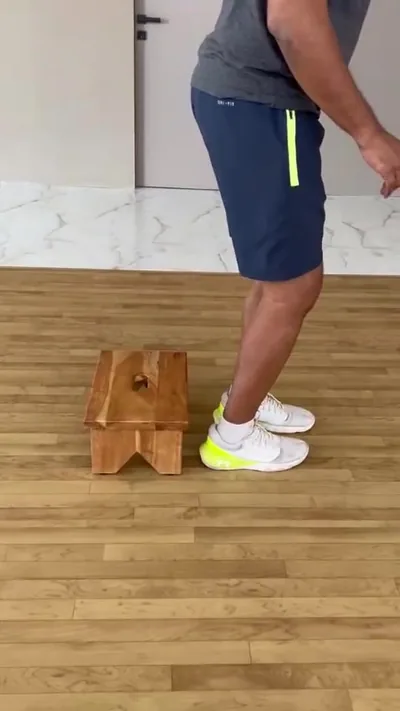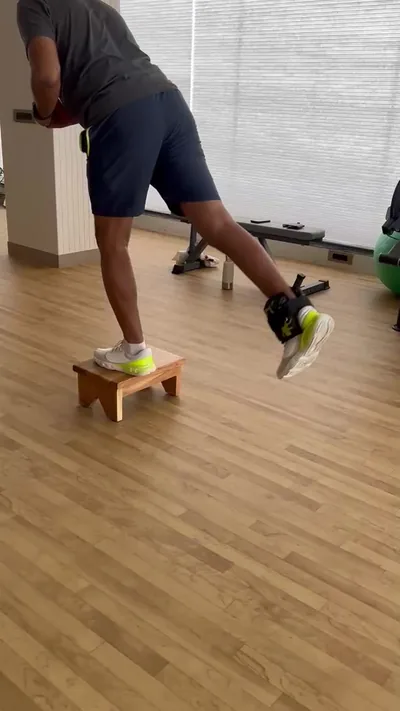
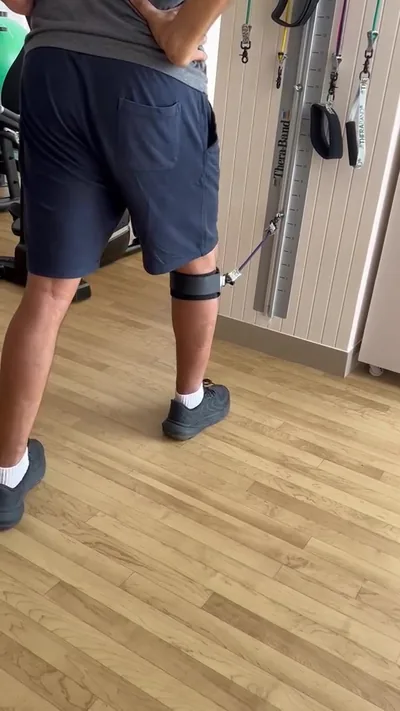
Backward Walking in ACL Rehab Phase 2
Backward walking helps athletes recover from ACL injuries. It builds knee stability in Phase 2 of rehab. This exercise targets quadriceps and improves control after surgery…
Read article

After hip replacement, descending stairs safely matters a great deal. The new hip joint needs time to settle and heal. Muscles around it weaken from surgery and rest. A fall can damage the implant or slow recovery. Using the right technique from the start protects the joint and builds confidence. This guide covers practical steps for safe stair descent. It draws from standard physiotherapy approaches. Your surgeon or physiotherapist gives personal advice. Always follow their plan first. Get an in-person assessment for your case.
Right after surgery, weight-bearing on the new hip follows your surgeon’s rules—often partial at first. Stairs add uneven steps and balance challenges. The operated hip bears more force going down, up to three times body weight per step. Weak quadriceps and glutes make control hard. Older adults face higher fall risks due to slower reflexes and thinner bones. Physiotherapists teach a “good leg down first” pattern. This keeps most weight on the stronger side. Progress means starting with one flight under supervision. Strength returns with steady practice. Rushing leads to slips or hip dislocation if precautions fail. Manual Therapy helps loosen tight hip muscles, making movement smoother during early rehab.
Face the stairs straight on. Grip the handrail with your upper hand—on the side of the operated leg if possible. Stand close to the edge. Bend both knees slightly. Lean your upper body forward over the step below. Lead with the good leg: step it down to the next stair while holding the rail. Shift weight onto that good leg. Then, slide the operated leg down to join it. Keep the operated foot flat, not pointed out. Pause if needed to steady. Repeat one step at a time. Do not twist your hips or lean back—these strain the new joint. This “non-affected leg leads down” method matches post-surgery limits. Practice on a single step first, then short flights. Looking for a Physiotherapy Near Me? Our team in Vaishali Nagar, Jaipur can assess you in person.
Aids provide extra balance until muscles recover. Use two crutches or a walker early on—your physiotherapist fits them to your height. Position the aid on the step below first. Grip it firmly with both hands. Lower the good leg onto that step, taking most weight. Let the operated leg follow, barely touching at first if non-weight-bearing. Advance the crutches or walker to the next lower step. Repeat slowly. With a single cane, hold it in the hand opposite the operated leg. Plant the cane down with the good leg step. As weeks pass, shift to one crutch, then none. Orthopaedic Rehabilitation at clinics tracks this safely with hands-on checks. Expect weekly reviews to adjust.
Going up uses the reverse: operated leg first if allowed, good leg last. “Bad leg up first, good leg pushes.” Step the operated leg up, using rail and arms for lift. Push through the good leg on the lower step to follow. This spares the new hip from pulling. Aids stay on the upper step. Master descent before ascent—downhill control builds first. More on Ankle Pain Treatment and how we assess it.
Leading with the operated leg overloads it early. Skipping the rail throws off balance. Twisting to look back strains the hip socket. Leaning too far back shifts weight wrongly. Rushing multi-steps invites trips. Dim lights hide edges—turn them on. Wet steps or rugs cause slips; clear hazards. Ignoring fatigue leads to errors late in the day. These habits raise fall odds and delay return to normal. Electrotherapy in rehab sessions can reduce swelling that worsens unsteadiness. Watch a mirror or have someone spot you at home. You may also find Hip Replacement Balance on Stairs Week 8 useful.
Start these under guidance, often day 1-2 post-op in hospital. Sit-to-stand: from a firm chair, slide forward, push up through both feet evenly, use arms if needed. Do 5-10 reps, twice daily. Heel raises: stand holding a counter, rise onto toes slowly, lower controlled. Builds calf power for push-off. Side leg lifts: lie on good side, lift operated leg 6 inches straight, hold 3 seconds. Strengthens hip abductors for stability. Single-leg balance: stand on good leg 10-20 seconds, eyes open then closed. March in place holding rail, raising knees high. Bridge pose: lie back, lift hips with knees bent, hold 5 seconds. These target quads, glutes, and balance without stairs. Progress to step-ups on a low box mimicking stairs. Track reps in a notebook. If swelling or pain grows, ease off.
Clear clutter from stair paths—no shoes or bags. Fix loose carpet or treads. Add non-slip tape to edges if shiny. Install extra handrails on both sides if possible. Brighten landings with lights on timers. Rearrange to limit stair trips—move daily items downstairs. Tell family your technique so they guide, not lift. Practice with a spotter first week home.
Good leg leads down, operated follows. Rail gripped tight. One step slow. Aids if needed.
Bend knees, lean forward slightly. Weight on good leg. No twist. Flat feet placement.
Often same day in hospital with help. Home timing per surgeon. Varies by your health.
Yes, chair stands, heel raises, leg lifts. Build under physio watch.
Full aids, bright lights, family spot. Short sessions. Rest between flights.
Weeks to months. Strength guides it. Regular physio checks progress.
Safe stair skills cut fall risks and speed return to daily life. Practice daily in short bursts. Book an in-person assessment at Trivéayu Physio Center in Vaishali Nagar or Vidyadhar Nagar. WhatsApp or call trained staff for post-op support. Steady steps lead to stronger recovery.
Physiotherapy is not the right first step for everything. Seek medical assessment promptly if any of the following apply to you:
If you lose control of your bladder or bowels, develop numbness around the groin, or have chest pain or breathlessness, treat it as an emergency and go to hospital.
Truly thankful to Dr. Jyoti Choudhary and the entire team of Trivayu Physio Centre for their genuine care, humble behaviour, and excellent treatment.
Mahesh Dhaka, Google review
This is one patient's own account, published with consent on our reviews page. It describes their experience, not a predicted outcome. Individual results vary.
Backward walking helps athletes recover from ACL injuries. It builds knee stability in Phase 2 of rehab. This exercise targets quadriceps and improves control after surgery…
Read articleAfter ACL surgery, rebuilding knee strength takes time and care. ACL rehabilitation phases guide this process step by step. Phase 1 protects the graft and cuts…
Read articleAfter hip replacement surgery, dressing your lower body safely helps build independence. By week 6 of hip replacement recovery, many patients aim to dress without help.…
Read articleMessage us on WhatsApp with your main concern and preferred time, and we'll confirm your first visit the same day.