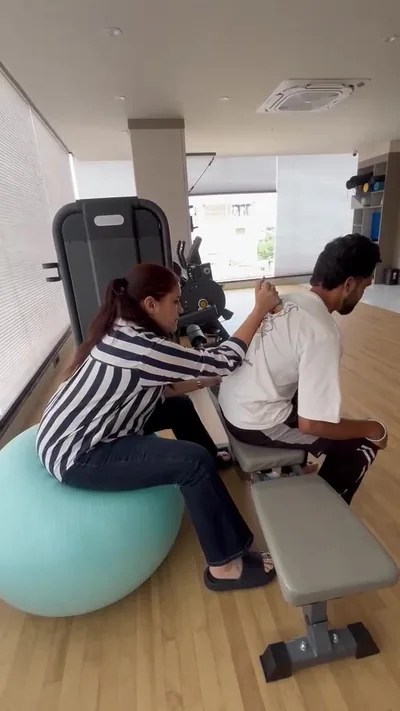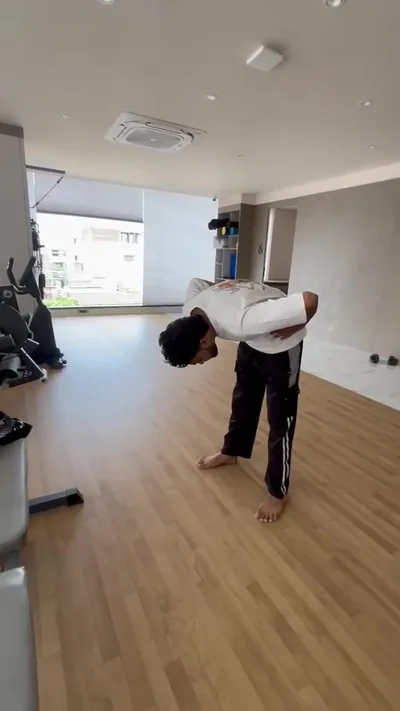
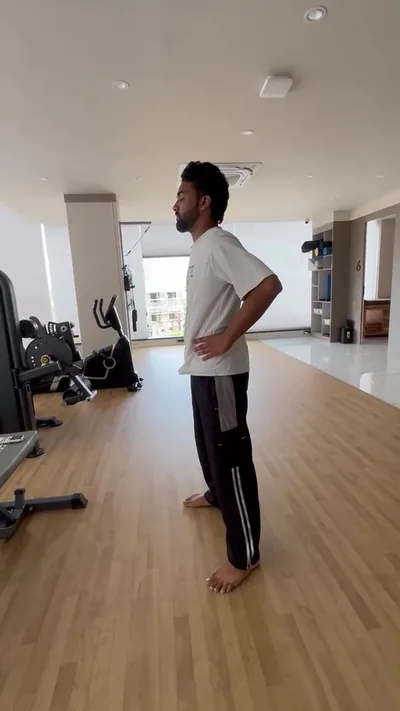
Is Side Bending Safe with L4 L5 Herniated Disc
An L4 L5 herniated disc happens when the disc between your fourth and fifth lumbar vertebrae bulges or ruptures. This presses on nearby nerves, causing pain…
Read article

After hip replacement surgery, descending stairs becomes a key focus by week 4. Patients often worry about safe stair navigation hip surgery. This stage marks progress in mobility, but correct technique prevents setbacks. Elderly patients need special care to build confidence. Jaipur homes often feature steep or uneven stairs, which add challenge during recovery.
Week 4 post op hip stairs involve partial weight-bearing on the new hip. Rushing risks pain or falls. Always follow your physiotherapist’s advice. Trivayu Physio Center in Vaishali Nagar, Jaipur, helps with such recovery steps. A physio checks your hip range, strength and balance before clearing stair practice.
This guide explains how to go down stairs after hip replacement. It stresses safe methods for stairs after hip replacement. Proper form supports week 4 hip replacement recovery. Expect sessions where the physio stands behind you, hands ready to assist if needed.
In week 4, hip surgery recovery stairs test your progress. The operated hip strengthens, but descending remains tricky. Safe descending stairs post hip surgery avoids strain on the joint. Your hip abductors and glute muscles work harder on stairs, so fatigue sets in quickly.
Typical week 4 mobility stage allows supervised stairs. You may use one crutch or a stick. Full independence comes later. Technique matters for elderly hip replacement mobility. Weak balance raises fall risk. Physios assess by watching you on one step first, then two.
Poor form stresses the hip prosthesis. It can delay healing. Elderly patients face slower muscle gain. A professional assessment checks readiness. Visit a physiotherapist before trying alone. This ensures safe stair navigation hip surgery. They test your ability to hold the rail and shift weight smoothly. Looking for a Physiotherapy Clinic Near Me? Our team in Vaishali Nagar, Jaipur can assess you in person.
During week 4, expect to practice 5-10 minutes twice daily under supervision. The physio notes your knee bend on the good leg and hip extension on the operated side. If your operated hip drops outward, they correct it to protect the joint.
Use this step-by-step guide for descending stairs post hip surgery. Always face the stairs. Hold the handrail firmly with one hand. Place your crutch or stick on the step below if using one.
Posture tips help. Keep your body upright. Avoid leaning forward. Do not lead with the operated leg. This common mistake overloads the hip. Tuck your operated foot close to the good one on each step to maintain hip alignment.
Mnemonic: Good leg down first, operated leg follows. Practise with help. A mirror shows form. This builds safe habits in week 4. Physios often use a low step stool at first, then real stairs. They coach you to breathe steadily and look down the stairs, not at your feet.
When to stop: If dizzy, swollen, or unbalanced, rest and seek help. Have someone spot you from below. Good lighting prevents slips. For post hip replacement stairs Jaipur homes often have steep steps. Test each stair. Progress only with physio clearance. Physios teach you to feel for hip stability mid-step.
Fear of falling hits many in week 4 hip replacement recovery. Start with one step. Build up slowly. Elderly patients regain confidence through repeated, short practices with feedback. More on Ankle Pain Treatment and how we assess it.
Inner ear or weakness affects balance. Hold rails with both hands if needed. Practice single-leg stands on flat ground first. Hold 10 seconds on the good leg, then operated. Do this near a wall. Physios add wobble board work later for ankle stability, key for stairs.
Quadriceps lag post-op. Do seated leg lifts daily. Straighten knee slowly, hold 5 seconds, lower. Aim for 10 repeats per set. Strengthen gradually. Add bridge exercises: lie on back, lift hips using both legs. This targets glutes for stair control.
Tight front hip muscles limit step-down. Stretch gently: kneel on good knee, push hips forward. Hold 20 seconds. Physios check this before stairs. They guide prone lying with knee bends to loosen.
Solutions include short sessions. Rest between. Track progress in a notebook: note steps done without wobble. If stuck, see your therapist. Gradual progression aids elderly hip replacement mobility. Week 4 goals focus on 4-6 steps unassisted with aid.
Many cling too hard. Practice loosening grip slightly while keeping contact. This trains proprioception. Elderly benefit from physio spotting to wean off full rail use safely. You may also find Hip Replacement Stairs Down Safely useful.
Post-surgery rehab builds stair skills. At Trivayu Physio Center, experts guide week 4 post op hip stairs. Dr. Jyoti Choudhary, with 17+ years in orthopaedics, tailors plans. She assesses gait on stairs and adjusts for elderly needs.
Services match needs. Manual Therapy eases joint stiffness before stair work. Orthopaedic Rehabilitation strengthens for stairs. Electrotherapy reduces pain after sessions. Locations in Vaishali Nagar and Vidyadhar Nagar suit Jaipur patients. Expect 45-minute appointments with stair practice included.
Physios demonstrate ascending first: operated leg up, good leg follows. Then descending. They use mirrors and video for self-review. Home exercise sheets list stair drills. Follow-up checks progress weekly. This supports safe mobility gains without overload.
Book an in-person check. Staff explain clearly. They support long-term recovery like knee or hip rehab. For elderly hip replacement mobility, plans include family training to spot at home.
Lead with good leg. Use handrail. Keep operated leg weight light. Practise supervised. Bend good knee fully to control descent.
Good leg down first. Operated follows. Upright posture. Slow steps. Crutch on step with good leg.
Yes, with aids and guidance. Get physio approval first. Avoid alone if unsteady. Start with 2-3 steps.
Use aids, monitor pain, clear home hazards. Local clinics like Trivayu offer checks. Watch for steep local stairs.
Varies by person. Often 6-12 weeks with rehab. Follow your therapist’s plan. Independence builds with strength.
They supervise first tries, correct form, add strength exercises. Check hip stability and balance before home practice.
Short daily practices, rail use, good shoes. Strengthen quads and glutes. Get family spotting.
Mastering hip replacement stairs down week 4 boosts independence. Stay patient. Consistent practice with guidance leads to better mobility. Progress to no aids varies; physios track via step tests.
Book an assessment at Trivayu Physio Center today. WhatsApp +91 90570 65065 or call for help with your recovery.
Physiotherapy is not the right first step for everything. Seek medical assessment promptly if any of the following apply to you:
If you lose control of your bladder or bowels, develop numbness around the groin, or have chest pain or breathlessness, treat it as an emergency and go to hospital.
Truly thankful to Dr. Jyoti Choudhary and the entire team of Trivayu Physio Centre for their genuine care, humble behaviour, and excellent treatment.
Mahesh Dhaka, Google review
This is one patient's own account, published with consent on our reviews page. It describes their experience, not a predicted outcome. Individual results vary.
An L4 L5 herniated disc happens when the disc between your fourth and fifth lumbar vertebrae bulges or ruptures. This presses on nearby nerves, causing pain…
Read articleShopkeepers in Jaipur often stand for long hours behind counters. This prolonged standing can trigger sciatica pain. Sciatica happens when the sciatic nerve gets irritated, often…
Read articleHerniated disc night pain disrupts sleep for many. The disc bulge presses on nerves, causing sharp back pain or sciatica that flares up at night. Simple…
Read articleMessage us on WhatsApp with your main concern and preferred time, and we'll confirm your first visit the same day.