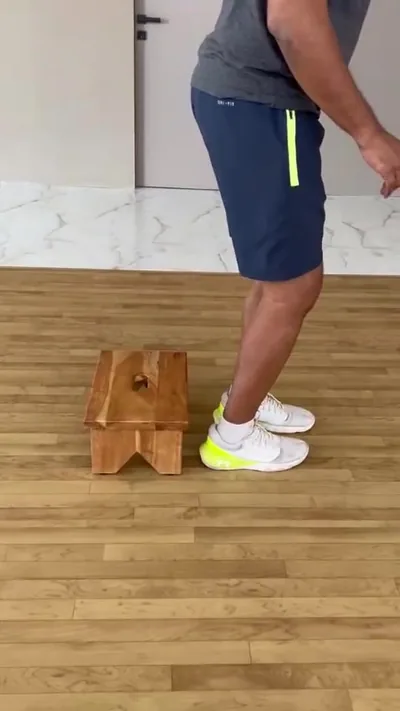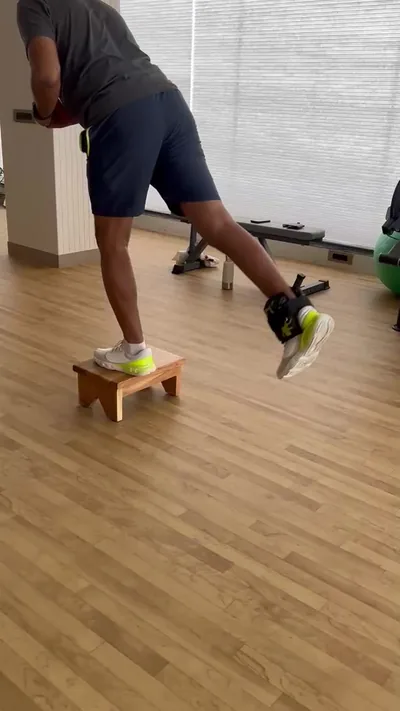
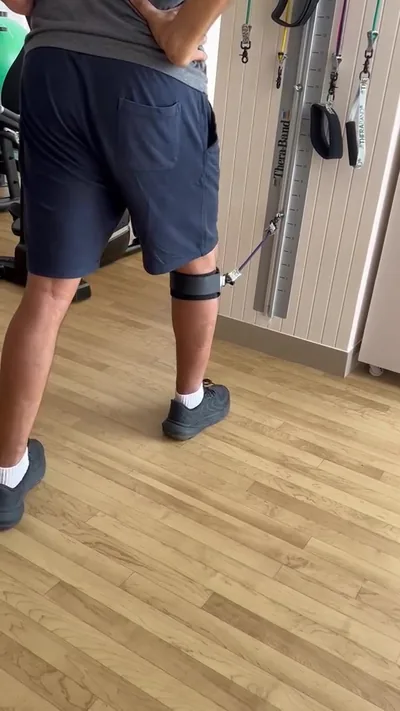
Backward Walking in ACL Rehab Phase 2
Backward walking helps athletes recover from ACL injuries. It builds knee stability in Phase 2 of rehab. This exercise targets quadriceps and improves control after surgery…
Read article

After hip replacement surgery, safe sleeping aids recovery. Poor positioning raises dislocation risk. This guide covers hip replacement side sleeping with pillows and hip precautions side sleeping to protect your joint. It addresses sleep challenges, preventing dislocation while sleeping, best positions post hip surgery, side sleeping precautions, and using a hip replacement pillow.
Follow these steps for side lying pillow after hip replacement. Check with your surgeon or physiotherapist first. Proper setup supports recovery without strain. A physiotherapist assesses strength, range of motion, and surgical approach.
Trivayu Physio Center in Vaishali Nagar, Jaipur, helps with post-surgery rehab. Our team guides on safe positions. We serve Vidyadhar Nagar, Rangoli Gardens.
Hip replacement places a new joint in the hip socket. It needs time to heal. Dislocation occurs if the ball slips out. Side sleeping stresses the joint if legs misalign. Gravity and muscle pull during sleep can shift it.
Night positioning aids hip surgery recovery sleep. Side lying may pull the leg into risky angles. Hip precautions side sleeping keep legs apart and avoid twisting. For posterior approach, avoid hip flexion beyond 90 degrees, adduction past midline, and internal rotation. Anterior approaches limit extension and external rotation. Your surgeon explains based on your operation. Looking for a Physiotherapist Near Me? Our team in Vaishali Nagar, Jaipur can assess you in person.
A physiotherapist teaches safe positions. They check hip abductors. During assessment, expect tests like leg raises or resisted movements to gauge side sleeping readiness.
A pillow between knees keeps alignment in side lying pillow after hip replacement. It stops the top leg dropping forward, preventing adduction and internal rotation. Without support, gravity pulls the joint head against the socket edge.
This raises dislocation risk early on. Pillow setup maintains neutral position at 30 degrees abduction. It eases pressure on hip muscles and tissues. The iliopsoas and gluteals relax, reducing stiffness.
Quality rest aids healing. Safe sleeping with pillows reduces pain and improves comfort. Orthopaedic Rehabilitation builds strength for stable positions over time.
Use firm pillows or a wedge. Avoid soft ones that compress. Start on non-operated side if cleared.
Test for stability, no hip pulling. Adjust pillows. Practice daytime. A physiotherapist demonstrates.
Back sleeping suits early after hip replacement night positioning. Lie flat with pillow under knees at 30 degrees to relax hamstrings. Add roll under low back. More on Ankle Pain Treatment and how we assess it.
Avoid side until approved. Skip stomach sleeping as it twists the hip. Use pillows behind back to prevent rolling. For semi-reclined rest, prop to 45 degrees, not full sleep.
Improve sleep with cool, dark room. Wear loose clothes. Place items within reach. Get up by rolling to side, pushing with arms, keeping operated leg straight.
Electrotherapy calms nerve pain disrupting sleep with 10-15 minute gentle currents to reduce swelling.
Prevent dislocation by following precautions nightly. Side sleeping precautions for hip replacement mean no leg crossing. Practice daytime with resistance.
A hip replacement pillow for night positioning acts as an abductor. Use contoured or stacked firm pillows. It stops pelvis tilting or leg adducting.
Watch for sharp pain, clicking, or shifting. Return to back. Build tolerance gradually. A physiotherapist progresses you using Manual Therapy to release tight hip flexors. You may also find Hip Replacement Pain When Sitting on Floor useful.
See a physiotherapist for advice on hip replacement side sleeping. They check movement and adjust precautions. Watch for gait changes or pain affecting sleep. At Trivayu Physio Center, Vaishali Nagar, Jaipur, our team specialises in post-surgery rehab.
Dr. Jyoti Choudhary leads with sports and orthopaedic expertise. Dr. Hritika Choudhary handles post-op care. We offer home visits and online consultations. Also at Vidyadhar Nagar, Rangoli Gardens.
Book an assessment. Call +91 90570 65065 or WhatsApp https://wa.me/919057065065. Hours: Mon-Sat 8 am-8 pm, Sun 10 am-1 pm. Expect hip range check, muscle test, sleep position trial.
After surgeon approval. Use pillows for leg alignment. Early weeks need back sleeping. Physiotherapists monitor.
Firm pillow between knees. Keep top knee level. Add waist support. Practice above setup. Adjust for body size.
Avoid crossing, deep bending, twisting. Use pillows for neutral position. Follow doctor’s rules. Include abduction exercises.
Ask surgeon. Physiotherapy guides timeline. Test short trials under guidance.
Prevents adduction and rotation risking dislocation. Keeps alignment, reduces pain.
Holds neutral abduction against gravity. Firm support aids rest.
Back with knee pillow early. Progress to supported side. Avoid prone.
Safe hip replacement side sleeping protects your joint. Follow pillow tips and precautions. Book at Trivayu Physio Center. WhatsApp or call +91 90570 65065.
Physiotherapy is not the right first step for everything. Seek medical assessment promptly if any of the following apply to you:
If you lose control of your bladder or bowels, develop numbness around the groin, or have chest pain or breathlessness, treat it as an emergency and go to hospital.
Truly thankful to Dr. Jyoti Choudhary and the entire team of Trivayu Physio Centre for their genuine care, humble behaviour, and excellent treatment.
Mahesh Dhaka, Google review
This is one patient's own account, published with consent on our reviews page. It describes their experience, not a predicted outcome. Individual results vary.
Backward walking helps athletes recover from ACL injuries. It builds knee stability in Phase 2 of rehab. This exercise targets quadriceps and improves control after surgery…
Read articleAfter ACL surgery, rebuilding knee strength takes time and care. ACL rehabilitation phases guide this process step by step. Phase 1 protects the graft and cuts…
Read articleAfter hip replacement surgery, dressing your lower body safely helps build independence. By week 6 of hip replacement recovery, many patients aim to dress without help.…
Read articleMessage us on WhatsApp with your main concern and preferred time, and we'll confirm your first visit the same day.