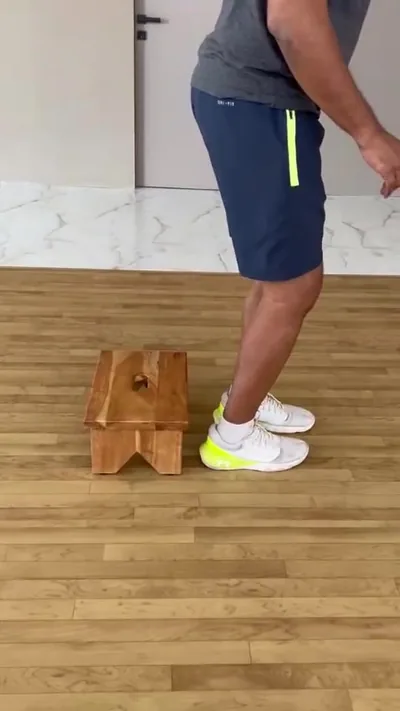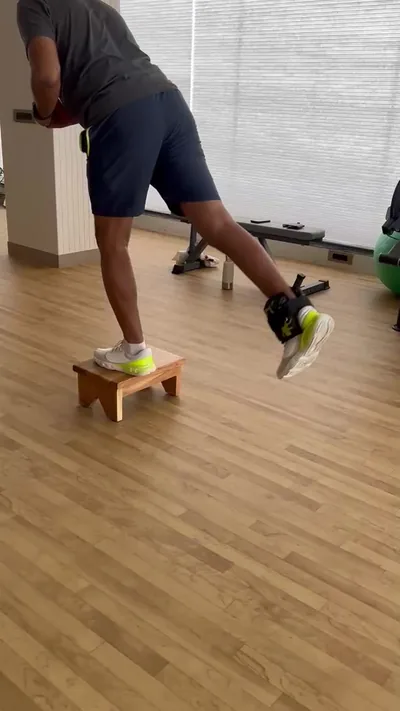
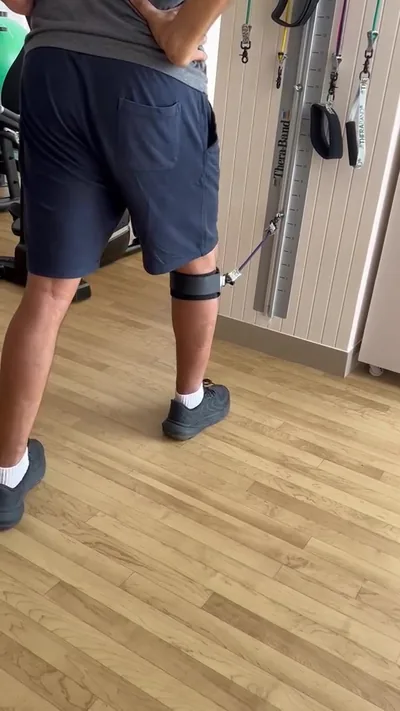
Backward Walking in ACL Rehab Phase 2
Backward walking helps athletes recover from ACL injuries. It builds knee stability in Phase 2 of rehab. This exercise targets quadriceps and improves control after surgery…
Read article

After hip replacement surgery, daily tasks like using the toilet need care. In Jaipur homes, low Indian squat toilets are common. These challenge hip precautions. Safe transfers avoid dislocation and pain.
Hip replacement puts a new joint in the hip. Doctors set hip precautions. These limit bending, crossing legs, and twisting. Indian toilets sit low. Sitting deep risks breaking rules. Proper methods let you manage safely.
This guide shares safe transfers for post hip replacement toilet use. It fits Indian homes. Follow steps to build mobility confidence. A physiotherapist first checks your strength, balance, and hip range. They teach moves hands-on.
Hip replacement fixes a damaged hip joint. It replaces bone and cartilage with metal, plastic, or ceramic parts. The new joint needs time to heal. Hip precautions protect it from dislocation in early weeks.
Key precautions: no bending hip past 90 degrees. Avoid crossing legs or turning leg inward or outward much. Lie on back or non-operated side. Use pillows between legs when on side. These apply to all actions, including toilet use. Looking for a Physiotherapist in Jaipur? Our team in Vaishali Nagar, Jaipur can assess you in person.
A physiotherapist explains how precautions link to movements. They show hip angle changes when lowering body. They measure safe range with a goniometer and adjust for surgery type, like posterior or anterior approach.
Indian toilets require deep squatting. This bends hip far and twists body. Unsafe moves stress the new joint. Safe transfers follow precautions. Expect to follow for weeks until therapist clears you.
Low Indian toilets demand full squat. After hip surgery, weak muscles make this hard. Operated hip bears uneven weight. Deep bending exceeds 90 degrees, risking dislocation when ball slips from socket.
Common mistakes: rushing sit or stand. Twisting to wipe adds strain. No support leads to slips. These cause hip stress or falls. Weak quadriceps and glutes force hip into risky angles. More on Ankle Pain Treatment and how we assess it.
Signs of trouble:
These mean improper positioning. Stop and rest. Seek advice early. A physiotherapist assesses by watching transfer and testing muscle power.
Master step-by-step methods for safe sitting transfers. Use both hands for support. Face forward. Keep operated leg straight as possible. Wear shoes with good grip. Empty bladder before starting.
To lower:
To rise:
Practice with therapist on raised surface. They use mirrors or video for hip alignment. These techniques reduce dislocation risk.
For wiping: Use long-handled reacher. Stay facing forward. Reach back without rotating hips. Wipe front to back.
To avoid dislocation, never force deep squats. Hip dislocates in adduction or extreme flexion. Crossing ankles or twisting risks this. Keep operated leg neutral. If instability, abort and call help. Physiotherapists teach safe zone: under 90 degrees flexion, 20 degrees adduction, 30 degrees rotation.
Aids make Indian toilet safer after hip surgery. Grab bars next to toilet give hold. Install at chest height, 80-90 cm apart. Screw into studs.
Raised toilet seats fit over squat toilets. They reduce squat depth. Look for models with handles and non-slip base. Commode chairs with cutouts work too. You may also find Hip Replacement Pain When Sitting on Floor useful.
Other options:
Add raised platforms around toilet. Build 15-20 cm high with non-slip cover. Secure to floor. Test stability. Physiotherapists recommend trialling aids in clinic first.
Physiotherapy rebuilds strength after hip surgery. Exercises target legs, core, balance for transfers. Manual Therapy releases tight hip muscles. Orthopaedic Rehabilitation builds power for stands. Electrotherapy eases swelling.
Post-Surgery & Joint Replacement Rehab focuses on real-life moves. Therapists teach safe methods for squat toilet. They spot errors and adjust plans. Sessions include bridge exercises, sit-to-stand, balance work.
First visit: therapist assesses transfer on mock setup. Home program: 10-15 minute daily drills. Progress to unassisted use over weeks.
At Trivayu Physio Center in Vaishali Nagar, Jaipur, Dr. Jyoti Choudhary and Dr. Hritika Choudhary guide recovery. Book assessment for personalised tips.
Mobility builds step by step. Week 1: Bedside commode with support. Week 2-4: Walker-assisted to raised toilet. Week 5+: Practice squats with spotting. Pair with hip precautions.
Daily: Walk 10-20 minutes twice. Do heel slides, quad sets. Advance to mini-squats. Track progress: note ease or pain.
Watch for persistent pain, weakness, fear of falling. Trouble with transfers despite aids needs physio. New swelling, fever, leg shortening needs doctor.
Contact Trivayu Physio Center, Vaishali Nagar or Vidyadhar Nagar. Phone/WhatsApp +91 90570 65065. Home visits, online available. Mon-Sat 8 am-8 pm, Sun 10 am-1 pm.
Not right away. Follow hip precautions. Use aids first. Build strength with physio.
Stand wide. Hold bars. Lower slow with knees bent. Keep hip under 90 degrees. Rise using arms and legs.
No bends past 90 degrees. No leg crossing. Use supports. No twists. Face forward.
Timeline varies. Often after 6 weeks with strength. Ask surgeon and physio.
Yes. Trivayu Physio Center teaches safe ways. Book at Vaishali Nagar.
Use raised seat. No twisting. Legs apart. Practice with therapist. Stop at instability.
Safe transfers build confidence. Practice daily with rehab. Recovery takes time.
Book assessment at Trivayu Physio Center. WhatsApp/call +91 90570 65065 for post hip replacement toilet safety.
Physiotherapy is not the right first step for everything. Seek medical assessment promptly if any of the following apply to you:
If you lose control of your bladder or bowels, develop numbness around the groin, or have chest pain or breathlessness, treat it as an emergency and go to hospital.
Truly thankful to Dr. Jyoti Choudhary and the entire team of Trivayu Physio Centre for their genuine care, humble behaviour, and excellent treatment.
Mahesh Dhaka, Google review
This is one patient's own account, published with consent on our reviews page. It describes their experience, not a predicted outcome. Individual results vary.
Backward walking helps athletes recover from ACL injuries. It builds knee stability in Phase 2 of rehab. This exercise targets quadriceps and improves control after surgery…
Read articleAfter ACL surgery, rebuilding knee strength takes time and care. ACL rehabilitation phases guide this process step by step. Phase 1 protects the graft and cuts…
Read articleAfter hip replacement surgery, dressing your lower body safely helps build independence. By week 6 of hip replacement recovery, many patients aim to dress without help.…
Read articleMessage us on WhatsApp with your main concern and preferred time, and we'll confirm your first visit the same day.