Backward Walking in ACL Rehab Phase 2
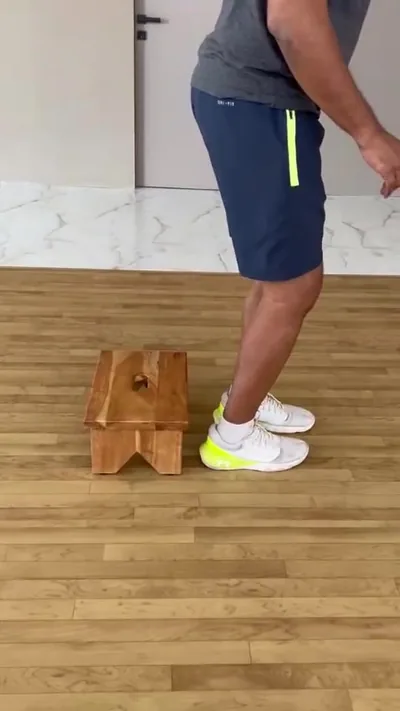
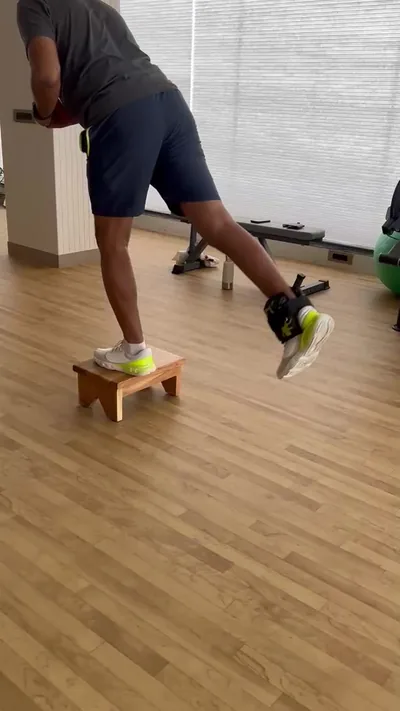
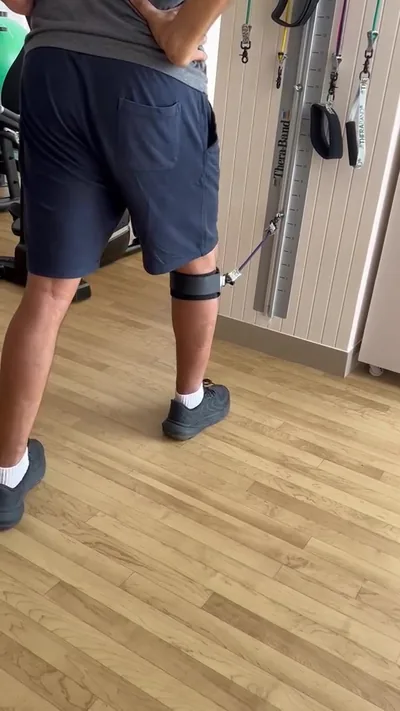
Backward walking helps athletes recover from ACL injuries. It builds knee stability in Phase 2 of rehab. This exercise targets quadriceps and improves control after surgery…
Read article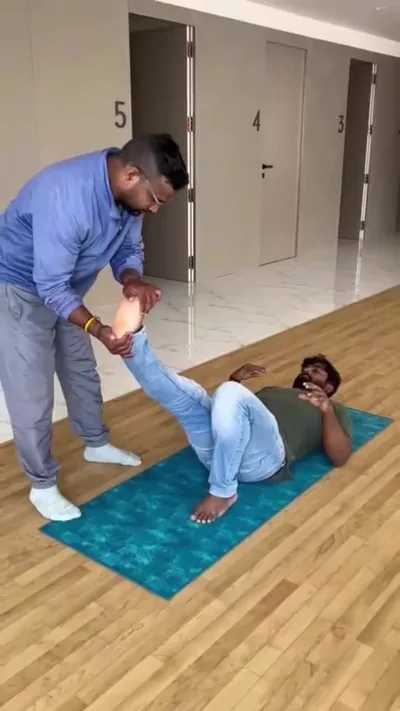

By week 8 after hip replacement, many patients regain enough strength to think about driving. Getting into and out of a car remains tricky. You must protect the new hip joint from strain or dislocation. Seat slide techniques help make this safer. These methods reduce bending and twisting at the hip. Always check with your physiotherapist before resuming car use. At Trivayu Physio Center in Vaishali Nagar, Jaipur, we guide patients through such steps during recovery.
This guide focuses on independent drivers. It covers safe ingress and egress using seat adjustments. Follow hip precautions to avoid setbacks. Practice builds confidence for post surgery mobility. A proper in-person assessment ensures your progress suits your needs.
Recovery varies by person. Factors like age, fitness, and surgery side matter. Week 8 marks a key stage for testing car entry. Still, rush nothing. Pain or weakness signals the need for more rehab.
Week 8 hip recovery often means better hip flexion and stability. The joint has healed enough for daily tasks. Yet car entry tests your control. Improper moves can stress the hip, risking pain or dislocation. Hip precautions car rules matter: no deep bends, crosses, or twists. Looking for a Physiotherapist Near Me? Our team in Vaishali Nagar, Jaipur can assess you in person.
Risks of bad car entry include joint subluxation or muscle pulls. Sharp pain, swelling, or instability warns of trouble. Start with passenger side practice. Build to driving only when cleared. An in-person physio assessment at Trivayu Physio Center, Vaishali Nagar, checks your readiness. Our team reviews gait, strength, and precautions tailored to you.
Trivayu Physio Center also serves Vidyadhar Nagar at Rangoli Gardens. Hours run Monday to Saturday from 8:00 am to 8:00 pm, Sunday 10:00 am to 1:00 pm. Book to confirm your stage fits driving.
Seat adjustments cut hip strain during entry. Sliding the seat back gives leg room. Reclining the backrest eases pivot. This links to Post-Surgery & Joint Replacement Rehab, where we teach such skills for daily return. Independent drivers gain from these for pain free car access. More on Ankle Pain Treatment and how we assess it.
Avoiding dislocation tops the list. Early weeks demand strict limits on hip angles. By week 8, techniques like these promote safe hip replacement ingress egress. They support post hip replacement driving without aids. Focus stays on smooth, controlled moves over speed.
Park on a flat spot. Use handbrake. Follow these steps for hip replacement car seat entry:
Manual Therapy can aid hip mobility if stiffness lingers. It releases tight tissues for better range. Practice 2-3 times daily without fatigue.
Egress mirrors ingress but reverses order. Smooth moves prevent jolts. Stay aware of posture to guard the hip.
Emphasise even pacing. This ties to pain management by dodging flare-ups. Hip surgery car tips like these build post-op confidence. Stop if pain rises above mild. You may also find Hip Replacement Dressing Tips Seated Weeks 3-4 useful.
Electrotherapy supports rehab by easing swelling and boosting circulation. Seek help if you limp, feel unstable, or cannot do steps pain-free. Contact Trivayu Physio Center for assessment. Signs like fever or wound issues need doctor visit first.
Raise car seat height with cushions if low. Add a grab handle on door frame. Practice in your actual vehicle. Progress to normal driving follows surgeon clearance, often around 6-8 weeks if right-side surgery and manual car.
Daily drills speed independent driving after hip surgery. Track improvements in a notebook. Our clinic team, including Dr. Jyoti Choudhary with 17+ years in orthopaedics, offers guidance. Home visits and online consultations suit busy schedules.
Use seat slide technique: adjust back and forward, pivot with hands for support, keep legs apart. Practice slowly.
Typically 6-8 weeks with clearance. Depends on surgery side, car type, and physio check. Passenger practice starts earlier.
Slide fully back for entry, recline backrest, then adjust forward once seated. Ensures safe angles.
Yes, seat slide and pivot methods suit this stage. They promote safe car entry post hip replacement while respecting precautions.
Move deliberately, use arms to unload hip, maintain good posture. Stop and reassess if pain builds.
Mastering these steps brings back driving freedom. Stay patient with progress. For personalised advice, book an assessment at Trivayu Physio Center, Vaishali Nagar, Jaipur. WhatsApp or call +91 90570 65065 to start.
Physiotherapy is not the right first step for everything. Seek medical assessment promptly if any of the following apply to you:
If you lose control of your bladder or bowels, develop numbness around the groin, or have chest pain or breathlessness, treat it as an emergency and go to hospital.
Truly thankful to Dr. Jyoti Choudhary and the entire team of Trivayu Physio Centre for their genuine care, humble behaviour, and excellent treatment.
Mahesh Dhaka, Google review
This is one patient's own account, published with consent on our reviews page. It describes their experience, not a predicted outcome. Individual results vary.
Backward walking helps athletes recover from ACL injuries. It builds knee stability in Phase 2 of rehab. This exercise targets quadriceps and improves control after surgery…
Read articleAfter ACL surgery, rebuilding knee strength takes time and care. ACL rehabilitation phases guide this process step by step. Phase 1 protects the graft and cuts…
Read articleAfter hip replacement surgery, dressing your lower body safely helps build independence. By week 6 of hip replacement recovery, many patients aim to dress without help.…
Read articleMessage us on WhatsApp with your main concern and preferred time, and we'll confirm your first visit the same day.