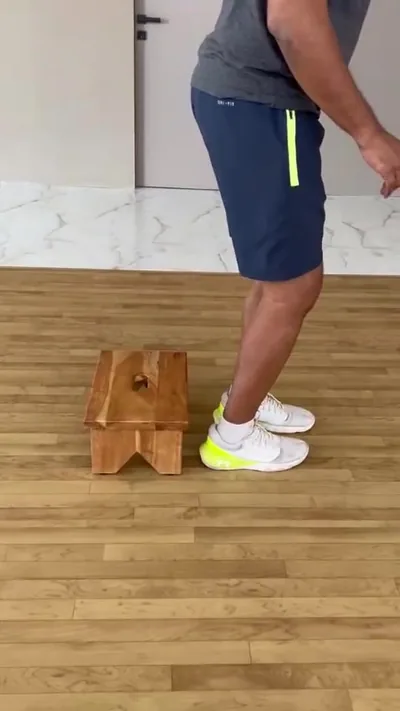
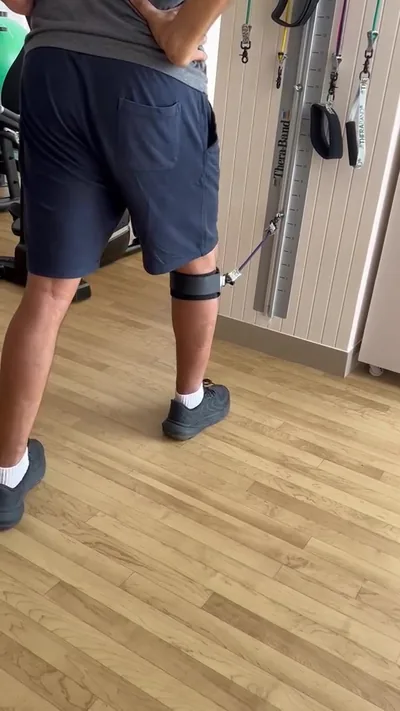
Backward Walking in ACL Rehab Phase 2
Backward walking helps athletes recover from ACL injuries. It builds knee stability in Phase 2 of rehab. This exercise targets quadriceps and improves control after surgery…
Read article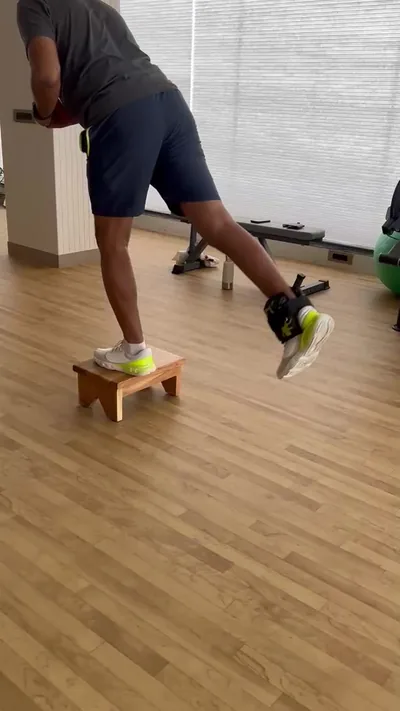

After hip replacement surgery, dressing your lower body can feel hard. Seniors often struggle with bending or reaching. In weeks 3-4 of recovery, seated methods help build independence safely. These tips focus on seated techniques to protect your new hip joint. They suit post-op hip rehab where you avoid standing long or twisting.
Week 3-4 marks progress in post-op hip rehab. You gain strength but must follow hip precautions to avoid dislocation. Seated dressing lowers strain on the new joint. Practice these steps under physiotherapist guidance. A physio checks your hip range, strength, and balance to tailor advice.
Trivayu Physio Center in Vaishali Nagar, Jaipur, offers post-surgery rehab. Our team helps with dressing after hip replacement. Start with a clinic check for personal advice. During sessions, expect hands-on checks of your dressing moves and fixes to unsafe habits.
Seniors face issues dressing lower body after surgery. Pain limits hip bending. Weakness makes lifting the operated leg tough. Fear of hip dislocation adds worry, as the new joint needs time to settle.
Hip precautions matter in early recovery. Keep legs more than shoulder width apart. Avoid crossing them at knees or ankles. Do not bend more than 90 degrees at the hip. Do not twist upper body while turning lower body. Breaking these risks dislocation. Looking for a Physiotherapist Near Me? Our team in Vaishali Nagar, Jaipur can assess you in person.
Week 3-4 suits independence. Healing advances with less swelling and pain. Seated methods let you dress without standing unsupported or twisting the pelvis. Expect fatigue, so rest between practices.
A physiotherapist watches you dress in clinic. They note excess bending or unsafe leaning. They teach adjustments, like using your good leg more for support.
Book a clinic assessment first. At Trivayu Physio Center, physiotherapists check progress. Dr. Jyoti Choudhary or Dr. Hritika Choudhary can guide post hip replacement dressing. They test your hip by asking you to lift the leg while seated and checking for pain or wobble. More on Ankle Pain Treatment and how we assess it.
Choose loose clothing that slides easy. Opt for elastic waist trousers or skirts with no buttons. Pick wide-leg styles. For underwear, select ones with high sides and no tight elastic at legs. Avoid stockings that roll down.
Set up a safe seated spot. Use a firm chair with arms at elbow height. Place it near a bed or table for support. Keep tools within reach on the table. Clear the area of rugs.
If needed, use a reacher or sock aid. These help without bending past 90 degrees. A reacher grabs items. A sock aid holds the sock open. Ask your physio if they suit you. We offer home visits in Jaipur.
Follow these seated techniques. Sit upright with feet flat, hip and knee at 90 degrees. Use hands or tools. Go slow. Breathe out as you pull. If you feel pulling in the hip, stop and adjust. You may also find Hip Replacement Dressing Alone Seated Tips Weeks 3-4 useful.
A physio might add: loop waistband over good knee first.
Turn trousers inside out. Lay flat on lap.
For socks, use sock aid. Hook sock on frame, toes up. Slide foot in heel first. Pull up with cord handles, back straight. Release sock.
For shoes, choose slip-on types. Use reacher for laces. Slide foot in. Use shoehorn from behind heel. Long-handled shoehorn lets you stay seated.
In post-surgery rehab, we teach these at clinic. Manual Therapy loosens tight areas like hip flexors first.
Twisting strains the hip. Face forward, shoulders square. Do not cross legs or pivot on operated foot.
Rushing causes slips. Take time, breathe steady. Pause after each leg. Avoid leaning forward from waist. Use chair arms and short pulls.
Bending for socks risks flexing past 90 degrees. Use sock aid. Smooth motion protects the joint.
Stand without arm support leads to wobble. Grip arms firmly. Avoid tight clothes.
If pain increases or you hear a click, stop. Sit with legs apart, ice hip. Seek physio help.
Pair dressing with exercise from week 3-4. Strengthen legs with seated lifts and core with bridges. Improve balance by shifting weight on chair.
A physiotherapist times your dressing and notes improvements. They add challenges like dressing with eyes closed. Practice full dressing twice per session.
Trivayu Physio Center provides post-surgery rehab. Services include Orthopaedic Rehabilitation and Electrotherapy. Dr. Ajit Choudhary specialises in post-op care. Sessions mix dressing with joint mobilisations and strength work.
Locations in Vaishali Nagar and Vidyadhar Nagar. Home visits and online consultations available.
Use seated techniques. Start with loose clothes and tools like reachers and sock aids. Follow hip precautions. Practice under physio guidance.
Sit on firm chair with arms. Step into clothes one leg at a time, operated first. Pull up with reachers, knees apart. Avoid bends over 90 degrees or twist.
Many reach independence by week 3-4 with seated practice and physio. It varies by strength and healing. Clinic assessment shows readiness.
Ask surgeon or physio after checking wound and strength. Often safe from week 3 if healing well. Confirm at Trivayu with mobility test.
Trivayu Physio Center, 204, 2nd Floor, Om Tower, Gandhi Path Road, Nemi Nagar, Vaishali Nagar, Jaipur. Also Vidyadhar Nagar. Call +91 90570 65065.
These tips build safe habits. Progress varies, so get checked often. Combine with physiotherapy.
Book at Trivayu Physio Center today. WhatsApp https://wa.me/919057065065 or call +91 90570 65065 for help with dressing after hip replacement in Jaipur.
Physiotherapy is not the right first step for everything. Seek medical assessment promptly if any of the following apply to you:
If you lose control of your bladder or bowels, develop numbness around the groin, or have chest pain or breathlessness, treat it as an emergency and go to hospital.
Truly thankful to Dr. Jyoti Choudhary and the entire team of Trivayu Physio Centre for their genuine care, humble behaviour, and excellent treatment.
Mahesh Dhaka, Google review
This is one patient's own account, published with consent on our reviews page. It describes their experience, not a predicted outcome. Individual results vary.
Backward walking helps athletes recover from ACL injuries. It builds knee stability in Phase 2 of rehab. This exercise targets quadriceps and improves control after surgery…
Read articleAfter ACL surgery, rebuilding knee strength takes time and care. ACL rehabilitation phases guide this process step by step. Phase 1 protects the graft and cuts…
Read articleAfter hip replacement surgery, dressing your lower body safely helps build independence. By week 6 of hip replacement recovery, many patients aim to dress without help.…
Read articleMessage us on WhatsApp with your main concern and preferred time, and we'll confirm your first visit the same day.