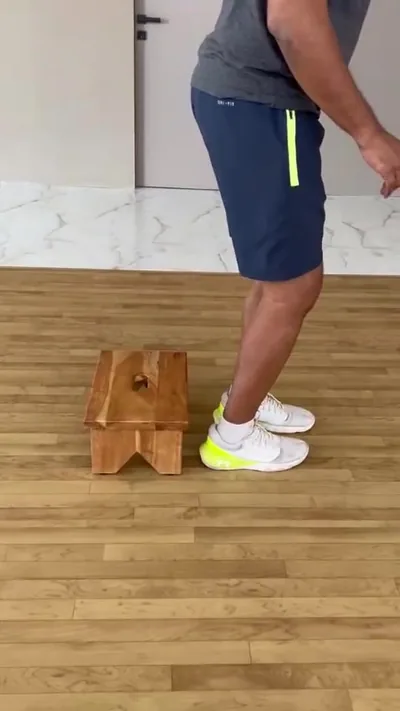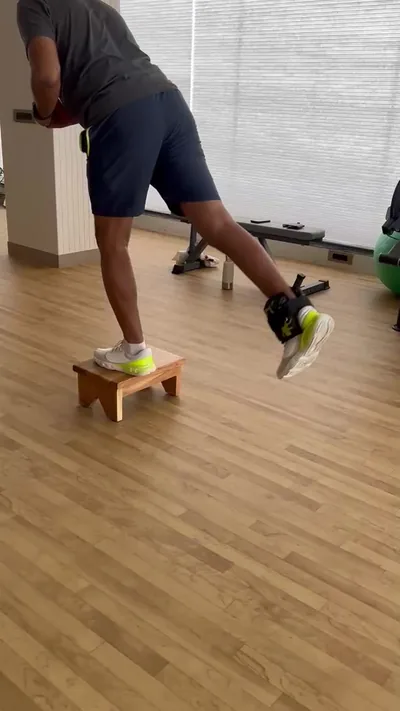
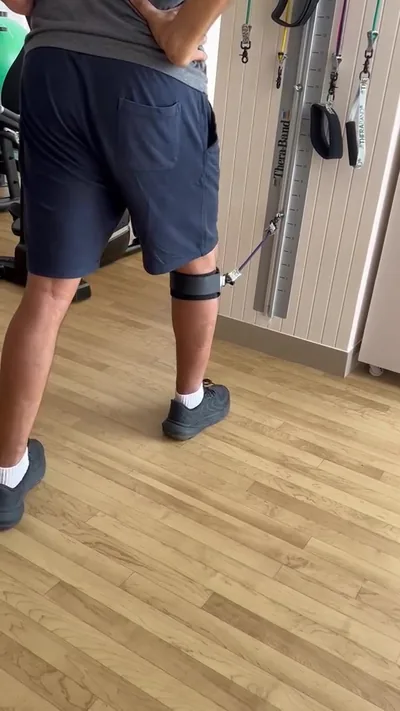
Backward Walking in ACL Rehab Phase 2
Backward walking helps athletes recover from ACL injuries. It builds knee stability in Phase 2 of rehab. This exercise targets quadriceps and improves control after surgery…
Read article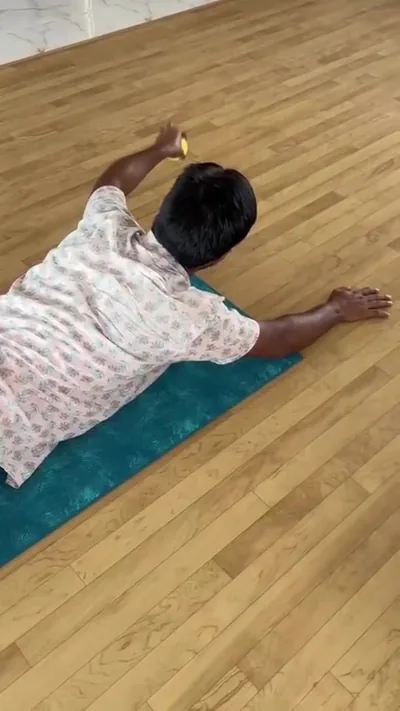
Hip replacement surgery replaces damaged hip joint with an artificial one to reduce pain and improve movement. After surgery, sitting on the floor in Indian style poses challenges due to new joint positioning and healing tissues. The new hip needs time to settle. Tissues around it must gain strength to hold stable positions.
In Indian households, floor sitting like sukhasan or padmasan forms part of daily activities, prayers and customs. Sukhasan means easy pose with legs crossed loosely. Padmasan is lotus pose with each foot on the opposite thigh. Cross-legged sitting, or any deep hip bend, can stretch the joint beyond safe limits early on. Rushing into full cross-legged sitting risks dislocation or strain on the implant.
Every case differs by age, health, surgery type and how well you follow rehab. Posterior approach surgeries often need more caution with hip bending and crossing legs than anterior ones. Seek assessment at Trivyauditing Physio Center in Vaishali Nagar or Vidyadhar Nagar for safe guidance matched to your surgery details.
Recovery phases start with bed rest, then walking with aids like crutches or walker, then independent movement. Early weeks focus on wound healing and basic mobility, not floor sitting. From week 1 to 6, stay off the floor. Use raised chairs or beds only.
Between 6 to 12 weeks, basic strength builds. You might try low stools with support. From 3 months, if pain-free and strong, shift to floor with thick cushions. Full sukhasan or light padmasan attempts come after 6 months or more, only under supervision. Padmasan demands extreme hip rotation and flexion, so it takes longest. Looking for a Physiotherapist Near Me? Our team in Vaishali Nagar, Jaipur can assess you in person.
Factors like age, overall fitness, muscle tone before surgery and adherence to rehab affect progress. Younger, active patients may progress faster, but individual variation is common. No fixed timeline exists; consult experts like Dr. Jyoti Choundhary at Trivyauditing for personal plan. She brings 17+ years in sports and orthopaedics.
Begin with elevated surfaces before floor. Use firm cushions or folded blankets under hips to raise position and reduce hip flexion. Keep knees lower than hips at first. This protects the joint from excess bend.
For sukhasan after hip replacement, start with legs parallel in front, feet apart. Feet point forward. Progress to partial cross-legged: place one ankle near opposite knee, but not full cross. Keep the bent knee open, supported by a yoga block or pillow. Avoid full weight on crossed legs.
Cross-legged sitting modifications follow the same steps. Sit with back straight against a wall. Use two cushions: one under hips, one between knees for space. Heels stay away from groin. For padmasan after hip surgery, do not attempt full lotus early. Instead, do half-lotus: one foot on opposite thigh, other leg straight or easy bend. Use blocks under each knee to lift them. Progress only if hips rotate freely without pain.
Incorporate Manual Therapy to mobilise joints gently. Use props like yoga blocks, bolsters or therapy balls for support during trials. A physiotherapist watches your hip angle and stability. More on Ankle Pain Treatment and how we assess it.
Start with supine bridges to strengthen glutes and core. Lie on back, knees bent, feet flat. Lift hips by squeezing buttocks. Hold 3-5 seconds, lower slowly. Do 8-10 reps, twice daily.
Progress to side-lying leg lifts for abductors, which keep legs from crossing inward. Lie on side, bottom leg straight, top knee bent. Lift top leg straight up, 10 cm high. 10 reps each side.
Seated marches build endurance for floor balance. Sit tall, lift one knee at a time like marching. Alternate 20 times. Isometric holds protect new joint: sit and press knees outward against a soft ball for 10 seconds, 8 reps.
Standing exercises add control. Hip hikes: stand on one leg, lift other hip bone up. 10 each side. Use a chair for balance. For rotation control needed in padmasan, do seated hip rotations: sit tall, gently turn thigh outward, then inward, 5 each way. You may also find Hip Replacement Sitting Limit After Surgery useful.
Clinical Pilates & Exercise Therapy at clinic aids progression. Team like Dr. Hritika Choudhary handles post-op rehab with care. They check your form to avoid bad habits.
Do these daily, but stop if pain increases. Pair with walking to build stamina for getting up from floor safely.
Typically after 3-6 months with physio guidance, starting modified. Depends on healing and strength. Full cross-legged takes 6-12 months.
Not immediately; wait for clearance. Use modifications to reduce risk. Full cross increases dislocation chance if done too soon.
Cushions under hips, partial leg cross, props for support. Build up gradually. Keep hip bend under 90 degrees at first.
Through structured rehab at local centres like Trivyauditing. Trained staff guide safe return with hands-on checks.
Avoid deep flexion early, watch for pain or swelling, follow physio plan. Never twist while sitting down. Get up using arms and good leg. No sudden moves.
Not early; start half versions after 9 months if strong. Full padmasan needs excellent rotation and strength.
Loose cross only, with knee supports. Sit short times first, 2-3 minutes.
Physiotherapists assess your hip range first. They measure flexion, rotation and strength. Then build a plan: week-by-week goals for sitting. Expect sessions twice weekly at first, with home exercises. They teach safe ways to lower to floor: lead with hands, keep operated leg straight.
Electrotherapy reduces swelling and eases muscle guard. Progress includes balance work on uneven surfaces to mimic floor.
Seek help for persistent pain, swelling, instability, clicking or slow progress. In-person check catches issues early, like muscle weakness or scar tightness.
At Trivyauditing Physio Center, Vaishali Nagar or Vidyadhar Nagar, get tailored rehab. Dr. Hritika offers electrotherapy, home visits available. Dr. Jyoti tailors for active patients.
Online consultations suit initial checks, but floor sitting needs hands-on demo. Team experienced in post-surgery care for Indian lifestyles.
Full recovery to cultural sitting needs expert input. Start with assessment for best results. They watch your first floor sits to correct posture.
Contact via WhatsApp or call to book. Trivyauditing Physio Center: +91 90570 65065 or wa.me/919057065065.
Physiotherapy is not the right first step for everything. Seek medical assessment promptly if any of the following apply to you:
If you lose control of your bladder or bowels, develop numbness around the groin, or have chest pain or breathlessness, treat it as an emergency and go to hospital.
Truly thankful to Dr. Jyoti Choudhary and the entire team of Trivayu Physio Centre for their genuine care, humble behaviour, and excellent treatment.
Mahesh Dhaka, Google review
This is one patient's own account, published with consent on our reviews page. It describes their experience, not a predicted outcome. Individual results vary.
Backward walking helps athletes recover from ACL injuries. It builds knee stability in Phase 2 of rehab. This exercise targets quadriceps and improves control after surgery…
Read articleAfter ACL surgery, rebuilding knee strength takes time and care. ACL rehabilitation phases guide this process step by step. Phase 1 protects the graft and cuts…
Read articleAfter hip replacement surgery, dressing your lower body safely helps build independence. By week 6 of hip replacement recovery, many patients aim to dress without help.…
Read articleMessage us on WhatsApp with your main concern and preferred time, and we'll confirm your first visit the same day.