Backward Walking in ACL Rehab Phase 2
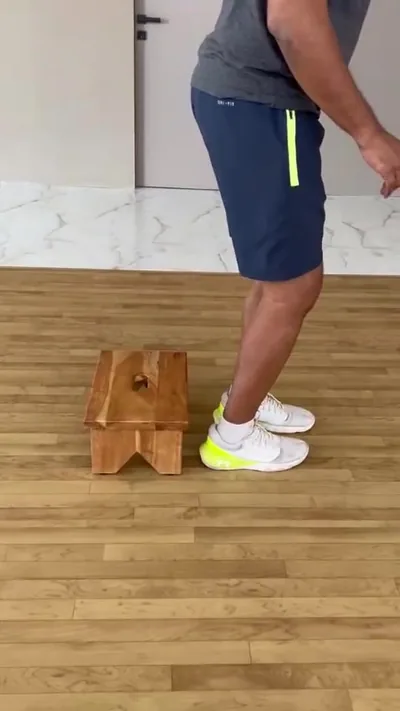
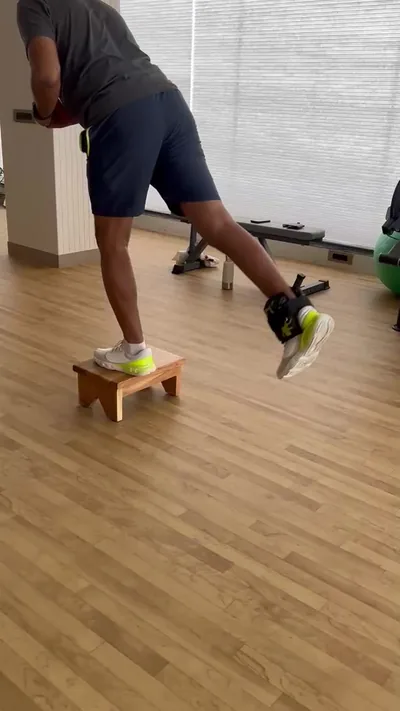
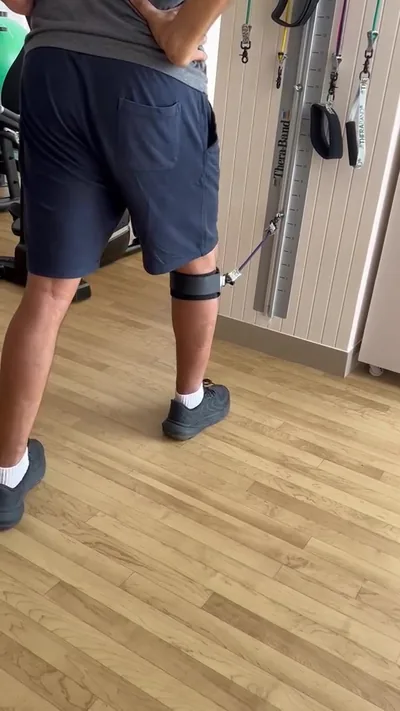
Backward walking helps athletes recover from ACL injuries. It builds knee stability in Phase 2 of rehab. This exercise targets quadriceps and improves control after surgery…
Read article

Hip replacement surgery replaces worn hip joint parts with artificial ones. After surgery, your body needs time to heal. Sitting limits help protect the new joint from excess strain.
Recovery focuses on safe movements. Sitting too long can cause stiffness, swelling or pain in the hip area. Start with short sits of a few minutes. Build up slowly as comfort allows. A physiotherapist assesses your progress and adjusts guidelines.
Your surgeon gives initial rules, like hip precautions to avoid dislocation. These often mean no crossing legs, no bending hip past 90 degrees, and no twisting motions. Follow doctor and physio advice. Each person heals at their own pace based on age, health and surgery details.
Orthopaedic Rehabilitation plays a key role here. It guides you back to normal function step by step.
Safe sitting times vary by healing stage. In the first few days after surgery, limit sits to 10-15 minutes at a time. Lie down or recline for most rest. Use a raised toilet seat if needed to reduce bending.
After one week, if pain allows, extend to 20-30 minutes. By four to six weeks, many manage 45-60 minutes with breaks, but always check with your physio first. Factors like pain levels, swelling and muscle strength affect limits. Listen to your body signals. Stop if discomfort rises. Looking for a Physiotherapy Near Me? Our team in Vaishali Nagar, Jaipur can assess you in person.
Use ergonomic advice from your physio. This supports joint replacement recovery and prevents setbacks.
Manual Therapy helps maintain posture. It eases muscle tightness around the hip and improves alignment.
Choose firm chairs with a straight back. Keep knees below hip level, so hips stay slightly higher than knees. Feet flat on the floor or on a low stool. Arms rest on chair arms if available.
Avoid low soft seats like sofas. These bend the hip too much and risk dislocation. Use lumbar support, such as a rolled towel at your lower back, to keep spine neutral. Sit midway back on the chair, not on the edge. For car travel, recline the seat slightly and use pillows for support.
Test posture: Your thigh should not press against the seat edge. Adjust height with cushions if the chair is too low.
Pain after hip replacement comes from surgery, swelling and muscle use. Sitting can worsen it if posture slips or time exceeds limits.
Manage pain with prescribed medicines from your doctor. Take them on schedule, not just when pain peaks. Apply ice packs wrapped in cloth for 15-20 minutes every few hours. Elevate the leg slightly while icing. More on Sciatica Treatment and how we assess it.
Positioning reduces pain: Shift weight evenly, avoid slouching. Heat packs may help later for stiffness, but start with ice. Track pain in a notebook – note time, activity and level from 1-10. Share this with your physio for better plans.
Electrotherapy can ease pain signals and reduce swelling. Your physio uses it if suitable during sessions.
Take regular breaks from sitting. Stand and walk short distances every 20-30 minutes. This improves blood flow and prevents clots.
Simple exercises build strength and sitting endurance. Ankle pumps while seated: Point toes up and down 10 times. Straight leg raises: Lie on back, tighten thigh muscle and lift leg 6 inches, hold 5 seconds, 10 repeats. Glute squeezes: Clench buttock muscles for 5 seconds, 10 times. Do these 2-3 times daily as pain allows.
Gentle walks start at 5 minutes, increase slowly on flat ground. Use a walker or crutches at first. Pain management integrates with daily routines. Combine with proper positioning and breaks.
Prevent muscle strain: Warm up before activity. Stop if you feel pull in hip or thigh. Build endurance gradually.
Return to activities follows a sequence. Week 1: Basic sits, bed mobility, short toilet trips. Week 2-4: Longer sits, light household tasks like dressing with aids. By 6-8 weeks: Stairs with rail, driving if cleared by doctor. You may also find Hip Replacement Sit to Stand from Chair useful.
For work, desk jobs may resume part-time after 6 weeks with sitting limits. Manual jobs take longer. Plan ahead: Use standing desk options or frequent breaks.
Ergonomic sitting positions matter daily. At home, choose dining chairs over sofas. In office, adjust chair height so feet plant flat.
Prevent strain by strengthening key muscles. Hip abductors (side thigh) stop the leg dropping. Do side leg lifts on unaffected side first.
Post-op sitting advice includes no leaning forward or sideways. Keep operated leg forward slightly. For TV watching, use a firm armchair with footstool at knee height.
Pain-free sitting duration grows with practice. Aim for comfort first, time second. If stiffness hits, stand and do marching in place for 1 minute.
Seek help if pain increases with sitting, swelling worsens, movement limits grow, or leg feels numb/weak. Also if you hear clicking or feel instability.
Trivayu Physio Center in Vaishali Nagar offers post-op rehab. Staff have experience in joint replacement recovery and orthopaedic rehab in Vaishali Nagar. Book an in-person assessment for tailored plans on sitting, exercises and progression. A physio checks your gait, strength and posture hands-on. Expect 45-minute sessions 2-3 times weekly at first.
They guide safe return to driving, stairs and work. Call +91 9057065065 or WhatsApp for Vaishali Nagar appointments.
Start with short sits of 10-15 minutes. Increase as advised by your physio based on healing.
Safe times depend on your healing stage. Follow personal physio guidance, starting short and building up.
Use firm chairs. Keep feet flat. Hips above knees. Support lower back with lumbar roll.
Progress as strength builds, often after 4-6 weeks. Ask your physio for exact timing.
More pain, swelling, stiffness or warmth in hip.
Good posture reduces strain on the new hip joint and muscles.
Stand and walk every 20-30 minutes of sitting.
Visit Trivayu Physio Center Vaishali Nagar for advice.
Try ankle pumps, leg raises and glute squeezes as guided by physio.
Follow physio plan for work sitting times and breaks.
Breaks prevent stiffness, improve circulation and reduce pain risk.
Yes, long sits can cause hip pain. Take breaks and adjust posture.
Sit on firm seats. Keep hips above knees. Feet flat. Lumbar support.
Move regularly. Do prescribed exercises every few hours.
Include short sits, frequent breaks, guided exercises and pain checks.
Follow these hip replacement recovery guidelines for safe sitting after hip replacement. For personal post hip replacement sitting advice, book an assessment at Trivayu Physio Center. Call +91 9057065065 or WhatsApp us.
Physiotherapy is not the right first step for everything. Seek medical assessment promptly if any of the following apply to you:
If you lose control of your bladder or bowels, develop numbness around the groin, or have chest pain or breathlessness, treat it as an emergency and go to hospital.
Truly thankful to Dr. Jyoti Choudhary and the entire team of Trivayu Physio Centre for their genuine care, humble behaviour, and excellent treatment.
Mahesh Dhaka, Google review
This is one patient's own account, published with consent on our reviews page. It describes their experience, not a predicted outcome. Individual results vary.
Backward walking helps athletes recover from ACL injuries. It builds knee stability in Phase 2 of rehab. This exercise targets quadriceps and improves control after surgery…
Read articleAfter ACL surgery, rebuilding knee strength takes time and care. ACL rehabilitation phases guide this process step by step. Phase 1 protects the graft and cuts…
Read articleAfter hip replacement surgery, dressing your lower body safely helps build independence. By week 6 of hip replacement recovery, many patients aim to dress without help.…
Read articleMessage us on WhatsApp with your main concern and preferred time, and we'll confirm your first visit the same day.