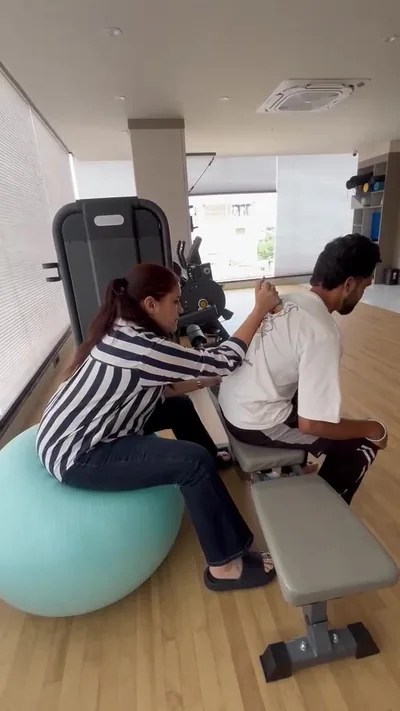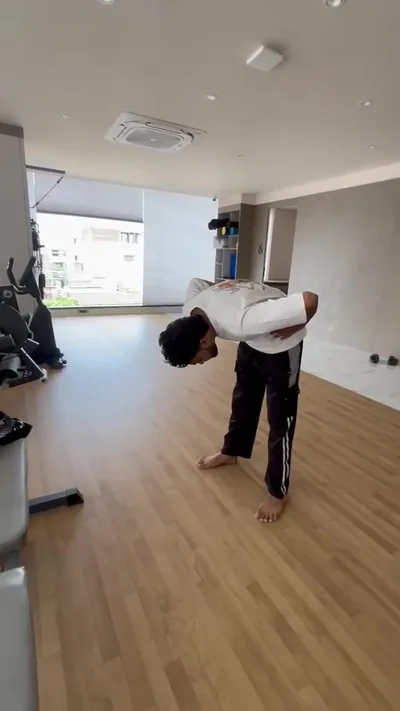
Is Side Bending Safe with L4 L5 Herniated Disc
An L4 L5 herniated disc happens when the disc between your fourth and fifth lumbar vertebrae bulges or ruptures. This presses on nearby nerves, causing pain…
Read article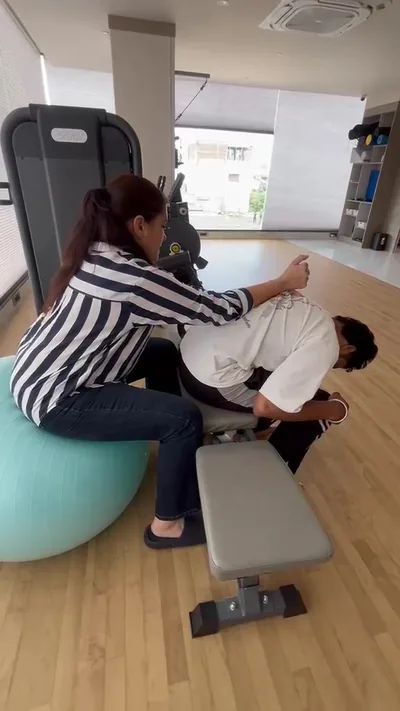

After hip replacement surgery, your first bath marks a key step in recovery. But it comes with risks. Hip dislocation can happen if you move the wrong way. Safe tub transfer methods keep you secure. Elderly patients need extra care for daily activities like bathing.
Hip precautions bathing protect the new joint. These rules limit how you bend, twist, or cross your legs. Follow them strictly at first. Proper techniques help you regain independence without setbacks.
Your surgeon or physio sets your timeline. Always check with them before your hip replacement first bath. This guide shares general steps for safe tub transfers after hip replacement.
Hip replacement changes how your joint works. The new ball and socket need time to settle. Hip precautions post-surgery prevent the joint from popping out. Common rules include no bending past 90 degrees at the hip, no crossing legs, and no twisting the torso.
Your first bath needs care because slips or wrong positions raise dislocation risk. Water makes floors slick. For elderly recovery, safe tub transfers build confidence. Falls can delay healing and cause new injuries.
Why focus on tubs? Many homes in Jaipur have them. Learning hip replacement bath safety lets you manage at home. But if pain or doubt arises, pause and get help. Looking for a Physiotherapy Clinic Near Me? Our team in Vaishali Nagar, Jaipur can assess you in person.
Most patients wait 2-4 days post-discharge for the first bath, if the wound is dry. Sponge baths work until then. Always follow your doctor’s okay. Check the incision for redness, swelling, or ooze before soaking.
Prepare the bathroom first. Clear clutter. Lay towels on the floor. Test water temperature to avoid burns. Wear non-slip shoes until you enter.
Gather aids early. Items like grab bars or shower chairs make a difference. Pat the wound dry after, never rub. These steps set up hip replacement recovery bathing for success.
Master tub transfer techniques hip replacement style with these steps. Sit on a sturdy chair or bench facing the tub. Keep both feet flat on the floor, hip-width apart.
Avoid positions like leaning forward or crossing ankles. Keep the operated leg straightish. Practice dry runs clothed first. This method supports getting in and out of bathtub after hip replacement safely. More on Ankle Pain Treatment and how we assess it.
Steer clear of deep squats or pivoting on the new hip. No inward leg rotation. These trigger dislocation risks during first bath after hip surgery.
Bath transfer aids hip surgery ease the process. Grab bars mount near the tub for handholds. Non-slip mats grip the tub floor and prevent slides.
Bath benches or transfer boards let you sit and slide in. Shower chairs work if your tub allows. Install aids at hip height for leverage. Test stability before use.
These tools tie into safe showering after hip surgery too. A physio can assess your setup during Manual Therapy sessions. They check if aids match your strength and home layout.
Locking knees or rushing transfers causes falls. Bending too far forward strains the hip. Wet floors without mats invite slips. Ignoring wound checks risks infection. You may also find Hip Replacement Bathing After Stitches Out useful.
Red flags include sharp pain, clicking in the joint, or leg shortening. Stop bathing and call your doctor. Common errors lead to setbacks in post hip replacement daily activities.
Seek physio help early. At clinics like ours, Post-Surgery & Joint Replacement Rehab tailors plans to avoid these pitfalls. Long-term guidance speeds elderly hip replacement recovery tips into habits.
Book an in-person assessment for personalised tub transfer training. Our team in Vaishali Nagar and Vidyadhar Nagar specialises in post-op rehab. Dr. Jyoti Choudhary brings 17+ years in orthopaedics. Dr. Hritika Choudhary excels in advanced care.
We offer home visits and online consultations for Jaipur patients. Staff explain treatments clearly, focusing on safe daily tasks like bathing. Gain confidence with expert eyes on your progress.
Usually 2-4 days after discharge if the wound is healed. Confirm with your surgeon. Sponge baths suffice until cleared.
Sit at the edge, slide in bottom-first, use arms for support. Keep hips above 90 degrees. Practice without water first.
Follow hip precautions: no deep bends, twists, or leg crosses. Use aids and good lighting. Move slowly.
Grab bars, non-slip mats, bath benches, and transfer boards. Install securely for reliable holds.
Showers often prove safer with less stepping over. Add a chair and curtain if needed. Discuss with your physio.
Trivayu Physio Center offers expert assessments. Contact us for clinic visits, home help, or advice tailored to you.
Bathing safely builds recovery strength. Stick to hip replacement bath safety rules daily. Progress comes with patience and practice.
Book your assessment today. WhatsApp or call +91 90570 65065.
Physiotherapy is not the right first step for everything. Seek medical assessment promptly if any of the following apply to you:
If you lose control of your bladder or bowels, develop numbness around the groin, or have chest pain or breathlessness, treat it as an emergency and go to hospital.
Truly thankful to Dr. Jyoti Choudhary and the entire team of Trivayu Physio Centre for their genuine care, humble behaviour, and excellent treatment.
Mahesh Dhaka, Google review
This is one patient's own account, published with consent on our reviews page. It describes their experience, not a predicted outcome. Individual results vary.
An L4 L5 herniated disc happens when the disc between your fourth and fifth lumbar vertebrae bulges or ruptures. This presses on nearby nerves, causing pain…
Read articleShopkeepers in Jaipur often stand for long hours behind counters. This prolonged standing can trigger sciatica pain. Sciatica happens when the sciatic nerve gets irritated, often…
Read articleHerniated disc night pain disrupts sleep for many. The disc bulge presses on nerves, causing sharp back pain or sciatica that flares up at night. Simple…
Read articleMessage us on WhatsApp with your main concern and preferred time, and we'll confirm your first visit the same day.