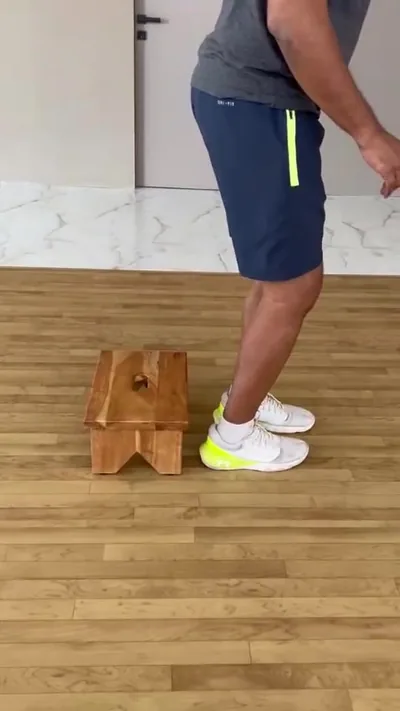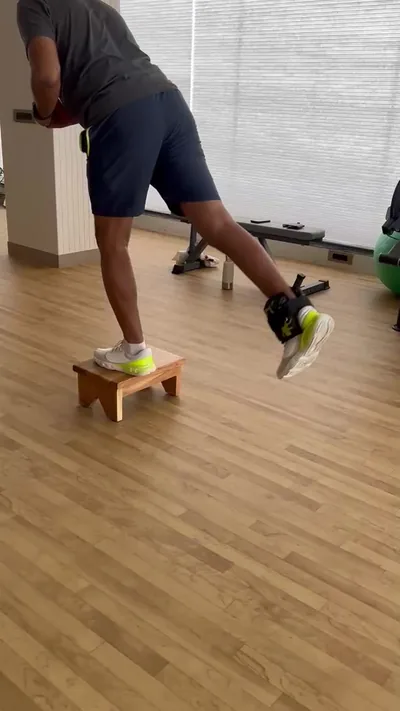
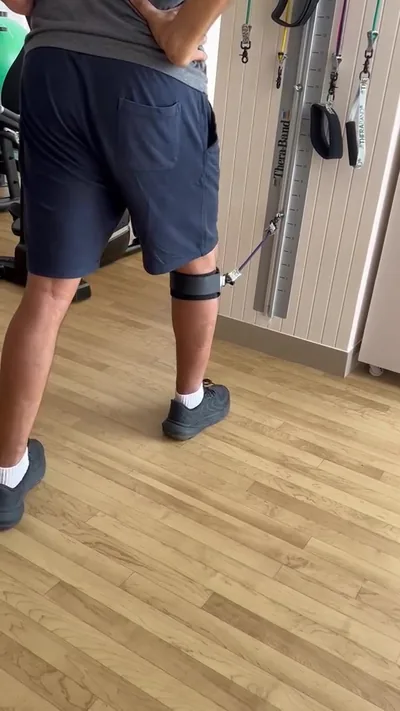
Backward Walking in ACL Rehab Phase 2
Backward walking helps athletes recover from ACL injuries. It builds knee stability in Phase 2 of rehab. This exercise targets quadriceps and improves control after surgery…
Read article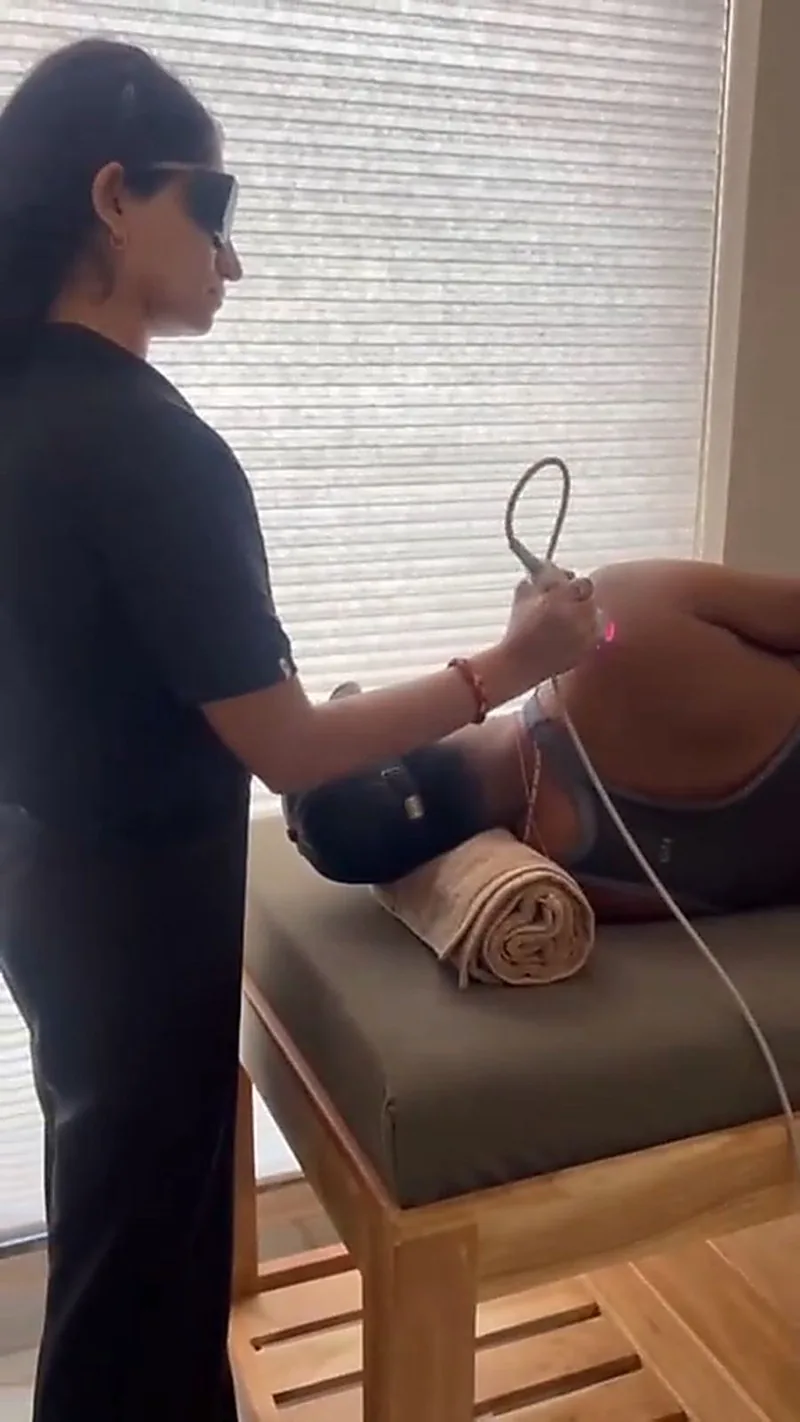

After hip replacement surgery, your first full bath after stitches come out marks a key step in recovery. Stitches usually remove 10 to 14 days post-op, but timing varies by healing. Always check with your surgeon first. Proper bathing keeps hygiene without risking your new hip joint.
This guide covers safe tub transfer after hip replacement. It focuses on steps to prevent falls or dislocation during post hip surgery hygiene. Follow hip precautions to protect the joint. For personalised advice, see a physiotherapist in Jaipur.
Trivayu Physio Center in Vaishali Nagar helps with post-surgery rehab. Our team supports joint replacement recovery through targeted care.
First bath after hip stitches removal needs caution. Wait until your surgeon confirms the incision has healed well. Immersing in water too soon raises infection risk through the wound site.
General hygiene during recovery starts with sponge baths. Use mild soap and warm water on a cloth for areas away from the hip. Pat dry gently. This maintains cleanliness until full bathing is safe.
Professional advice matters here. Each patient’s healing differs. A physio assesses your mobility and strength before clearing tub bathing. At our clinic, Post-Surgery & Joint Replacement Rehab guides safe return to daily tasks like bathing. Looking for a Physiotherapist Near Me? Our team in Vaishali Nagar, Jaipur can assess you in person.
Hip dislocation is a main danger in early recovery. Bending or twisting the hip beyond safe limits during tub transfer can force the joint out of place. High steps into tubs increase this risk.
Infection chances rise with full immersion if the wound is not fully closed. Bacteria in bath water may enter the incision. Mobility issues add fall risks, especially with weak leg muscles post-op.
Hip precautions are vital. Keep the new hip in neutral position: avoid crossing legs, bending hip over 90 degrees, or turning the operated leg inward. These rules apply during all bathing after hip surgery. More on Ankle Pain Treatment and how we assess it.
Master tub transfer techniques step by step. Use grab bars or safety rails fixed to the wall near the tub. These provide stable support.
Follow this ordered process for safe tub transfer after hip replacement:
Avoid one-handed methods unless trained. Common mistakes include rushing the lift or twisting the torso. Practice with a physio first to build confidence.
Use a bath bench or seat inside the tub. It lets you sit without stepping over the edge, reducing hip strain. Position it to keep feet flat and hip safe.
Place non-slip mats inside and outside the tub. These prevent slips on wet floors. Add handheld shower heads for washing seated, avoiding full immersion if unsure.
If tub feels too risky, switch to shower. Hip precautions shower setups with benches work well for early recovery. Our clinic uses equipment like Robotic Spinal Decompression Therapy and Advanced Electrotherapy in Post-Surgery & Joint Replacement Rehab to build strength for these tasks. Manual Therapy helps restore safe movement patterns.
Watch for signs needing in-person assessment. Persistent pain, swelling, redness near incision, or trouble with balance during transfer call for help. Weakness or fear of falling also signals physio input. You may also find Hip Replacement Bathing Week 3 useful.
Jaipur physio for hip rehab customises plans. Dr. Jyoti Choudhary, with 17+ years in orthopaedics, and Dr. Hritika Choudhary, expert in post-op rehab, guide patients through bathing challenges.
Visit Trivayu Physio Center at Vaishali Nagar or Vidyadhar Nagar. We offer Post-Surgery & Joint Replacement Rehab to ease hip replacement recovery bathing. Book for hands-on support.
Ask your surgeon. Typically after confirming wound closure, around 2 weeks post-op. Start with sponge baths earlier for hygiene.
Use grab bars, enter with non-operated leg first, keep operated hip straight. Sit on a bench to avoid high steps. Practice supervised.
Not right away. Wait for surgeon approval to lower infection risk. Showers or partial baths are safer initially.
Follow hip precautions: no deep bends, leg crossing, or inward turns. Use aids like benches and rails for stability.
If pain, instability, or fear affects transfers. We assess and train safe techniques at the clinic.
Yes, often. Lower step, easier with benches, less dislocation risk. Ideal for early post hip surgery hygiene.
Use non-slip surfaces, grab bars, seated position. Keep water warm, not hot. Dry thoroughly after.
In summary, safe bathing after hip replacement builds on hip precautions and smart aids. Progress steadily in your recovery. Tub transfers improve with practice and strength.
Book an assessment at Trivayu Physio Center today. Contact us on WhatsApp at +91 90570 65065 or call the same number for Vaishali Nagar support.
Physiotherapy is not the right first step for everything. Seek medical assessment promptly if any of the following apply to you:
If you lose control of your bladder or bowels, develop numbness around the groin, or have chest pain or breathlessness, treat it as an emergency and go to hospital.
Truly thankful to Dr. Jyoti Choudhary and the entire team of Trivayu Physio Centre for their genuine care, humble behaviour, and excellent treatment.
Mahesh Dhaka, Google review
This is one patient's own account, published with consent on our reviews page. It describes their experience, not a predicted outcome. Individual results vary.
Backward walking helps athletes recover from ACL injuries. It builds knee stability in Phase 2 of rehab. This exercise targets quadriceps and improves control after surgery…
Read articleAfter ACL surgery, rebuilding knee strength takes time and care. ACL rehabilitation phases guide this process step by step. Phase 1 protects the graft and cuts…
Read articleAfter hip replacement surgery, dressing your lower body safely helps build independence. By week 6 of hip replacement recovery, many patients aim to dress without help.…
Read articleMessage us on WhatsApp with your main concern and preferred time, and we'll confirm your first visit the same day.