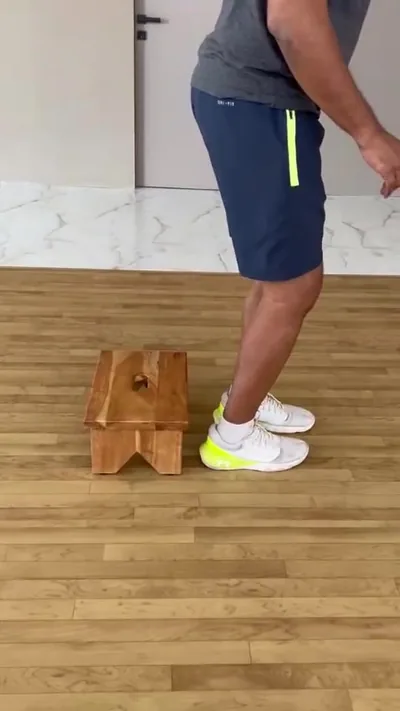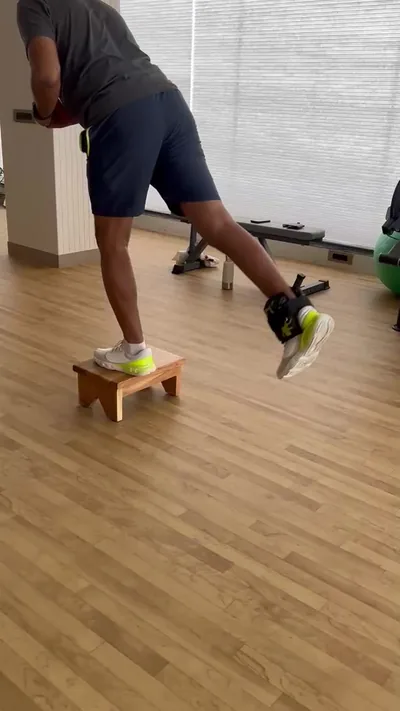
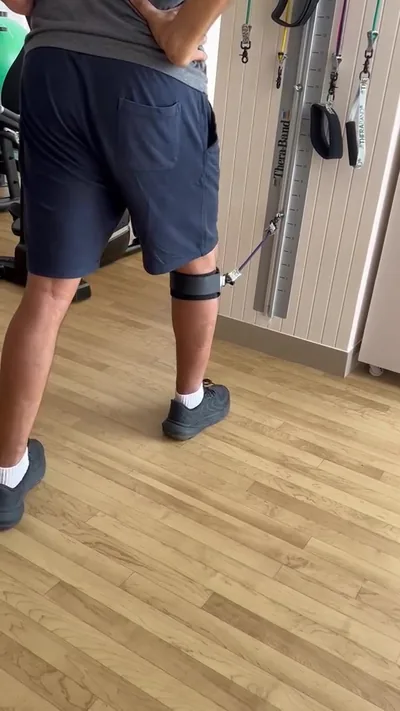
Backward Walking in ACL Rehab Phase 2
Backward walking helps athletes recover from ACL injuries. It builds knee stability in Phase 2 of rehab. This exercise targets quadriceps and improves control after surgery…
Read article

After hip replacement surgery, dressing your lower body alone can feel hard. In weeks 3-4, your hip is healing but needs care. Solo living elders seek ways to regain independence. These tips focus on seated dressing to keep you safe.
Hip precautions matter: avoid bending past 90 degrees, crossing legs, or twisting. Sit to dress and protect your new joint. Check with your surgeon first. For personal advice, book an in-person assessment at a clinic.
These steps build independence. They suit lower body dressing post surgery. Practice slowly to avoid strain. A physiotherapist would watch your form first, then guide you to add steps as strength grows.
Dressing lower body solo after hip replacement brings challenges. Pain, stiffness, and limited reach make it tough. In weeks 3-4, scars heal but hip rules stay strict. No deep bends or leg crosses risk dislocation. Looking for a Rehabilitation Centre Near Me? Our team in Vaishali Nagar, Jaipur can assess you in person.
For solo living elders, independence cuts stress and boosts mood. Seated dressing methods help manage daily tasks. Recovery differs for each person. Self dressing needs patience.
See a physiotherapist if unsure. They check progress and tailor plans. At Trivayu Physio Center in Vaishali Nagar, Jaipur, experts guide post-surgery rehab. They assess hip range, balance, and grip to spot risks in dressing.
Sitting for dressing keeps you stable. It lowers fall risk, key for elders alone. Your hip joint stays safe without bending stress.
Seated dressing builds confidence. You move less, saving energy. This fits rehab goals. Physiotherapists teach seated work to match healing pace, starting with one leg at a time. More on Ankle Pain Treatment and how we assess it.
Use a firm chair with arms. Place it on a non-slip floor. Keep feet flat.
Focus on pants, underwear, and socks. Sit on a stable chair. Keep knees apart. Use hands or a reacher. Go slow to follow hip rules. Breathe steady. If one side feels weak, start with the good leg.
A physiotherapist approach: Test seated reach first without clothes. Then add fabric. They correct any lean that stresses the hip.
For undressing, reverse steps. Slide down to ankles seated, then remove feet. Practice daily. Expect 5-10 minutes first tries, faster with repeat.
Post surgery, lower body means trousers, undergarments, and stockings. For stockings, roll down to toe circle first. Slip foot in seated, then unroll up leg. Use powder if fabric sticks.
Seated methods suit tight spaces. Face chair backward if bed edge works, arms on mattress. Gather clothes night before. Morning light helps see feet.
If hip swells after try, ice 10 minutes seated, leg raised on stool. Rest before next practice.
Recovery tips centre on seated starts. Week 3: Dress one item daily, like socks. Week 4: Full lower body if pain low. Use mirror on floor to watch form. You may also find Hip Replacement Dressing Seated Techniques Week 3 useful.
Adaptive dressing uses wall for back support. For pyjamas, fold legs in first. Tight jeans wait till month 2 or doc okay.
Grip tires first week of practice. Build by squeezing soft ball daily. Balance wobbles? Widen feet base. Physiotherapist adjusts chair height to knee level.
Tools make solo dressing easier. Long-handled reacher grabs items without bending. Choose one with rubber grip.
Sock aid holds socks open. Place foot in, pull up with handles. Dressing sticks help with pants loops. Elastic grippers for underwear waistband.
Buy from local chemists or online. Store on chair arm hook. Clean weekly.
Physiotherapists break dressing into phases. Week 3: Seated foot slides. Week 4: Full pulls with tool. Orthopaedic Rehabilitation strengthens glutes for scooting. Electrotherapy cuts swelling.
Expect session: Sit same chair, demo steps. They hold operated leg first time. Home plan includes photos. If arm weak, add shoulder rolls.
Pain during dressing, twinges, or swelling signal help needed. If you cannot follow steps or fear falls, see a pro. Balance loss means quad weakness.
Trivayu Physio Center offers Post-Surgery & Joint Replacement Rehab. Manual Therapy eases stiffness. Team like Dr. Hritika Choudhary handles post-op rehab.
Located at 204, 2nd Floor, Om Tower, Gandhi Path Road, Nemi Nagar, Vaishali Nagar, Jaipur. Also at Vidyadhar Nagar. Call +91 90570 65065 or WhatsApp.
Use seated methods. Step into clothes on floor, pull up with reacher or hands. Keep hips safe, no bends. Bunch fabric for calf slide.
Sit firm, bunch fabric at ankles, slide up calves seated. Reverse for undressing. Add mirror for form check.
Often yes in weeks 3-4 if pain-free and steady. Follow precautions. Get physio check. Test one leg first.
Many try seated from week 3 with doc okay. Progress varies. Assessment guides timing. Start socks, add pants.
Reacher, sock aid, dressing stick. They aid reach without bending. Pair with powder.
Trivayu Physio Center, Vaishali Nagar. Expert post-op care. WhatsApp to book.
Master these for more freedom post hip replacement. Stay safe. Book an assessment at Trivayu Physio Center via WhatsApp https://wa.me/919057065065 or phone +91 90570 65065.
Physiotherapy is not the right first step for everything. Seek medical assessment promptly if any of the following apply to you:
If you lose control of your bladder or bowels, develop numbness around the groin, or have chest pain or breathlessness, treat it as an emergency and go to hospital.
Truly thankful to Dr. Jyoti Choudhary and the entire team of Trivayu Physio Centre for their genuine care, humble behaviour, and excellent treatment.
Mahesh Dhaka, Google review
This is one patient's own account, published with consent on our reviews page. It describes their experience, not a predicted outcome. Individual results vary.
Backward walking helps athletes recover from ACL injuries. It builds knee stability in Phase 2 of rehab. This exercise targets quadriceps and improves control after surgery…
Read articleAfter ACL surgery, rebuilding knee strength takes time and care. ACL rehabilitation phases guide this process step by step. Phase 1 protects the graft and cuts…
Read articleAfter hip replacement surgery, dressing your lower body safely helps build independence. By week 6 of hip replacement recovery, many patients aim to dress without help.…
Read articleMessage us on WhatsApp with your main concern and preferred time, and we'll confirm your first visit the same day.