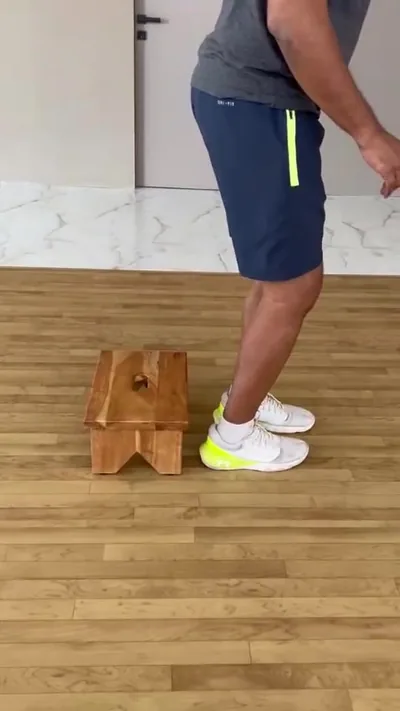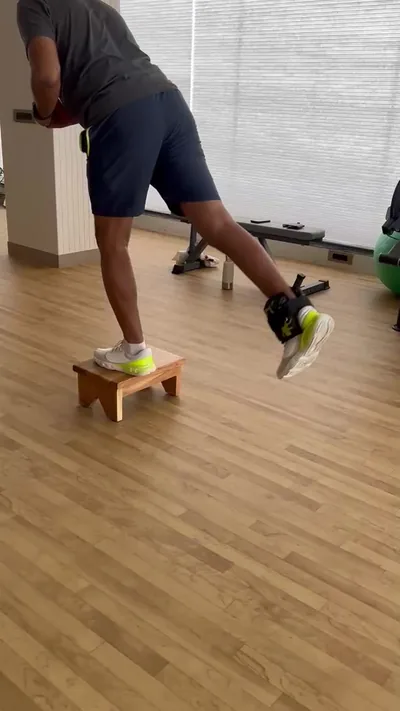
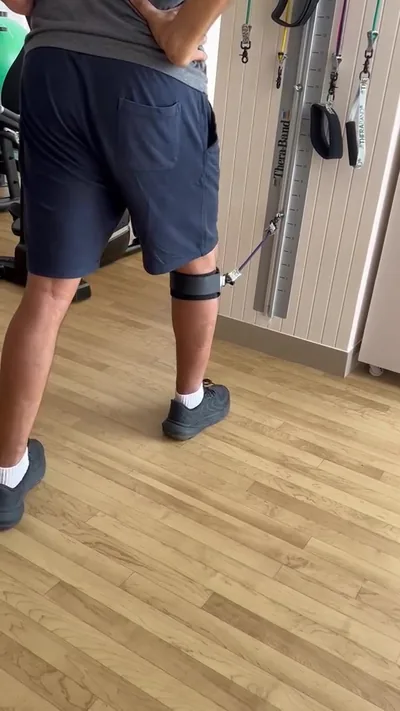
Backward Walking in ACL Rehab Phase 2
Backward walking helps athletes recover from ACL injuries. It builds knee stability in Phase 2 of rehab. This exercise targets quadriceps and improves control after surgery…
Read article

After hip replacement surgery, dressing your lower body is challenging. Your new hip needs protection from dislocation and strain. In the first month, hip precautions limit bending, twisting, and crossing legs. These rules—no hip flexion beyond 90 degrees, no adduction (bringing operated leg towards middle), no internal rotation (turning foot inward)—help healing. Follow them strictly.
Dressing aids like a sock aid make tasks safer. Sit to dress, avoiding excess reach or bend. Proper techniques reduce pain and build independence. Aids help when arm reach is short due to stiffness or weakness.
Trivayu Physio Center in Jaipur guides patients on these skills during post-surgery rehab. Physios demonstrate, watch form, and correct errors.
Dressing lower body after hip replacement tests balance and reach. Surgery leaves hip stiff and weak. Month 1 demands care. Swelling and pain limit movement.
Hip precautions matter most. Do not bend hip past 90 degrees. Avoid crossing legs or twisting inward. These risk dislocation. A physio assesses mobility in clinic, then tailors dressing advice. Looking for a Physiotherapist Near Me? Our team in Vaishali Nagar, Jaipur can assess you in person.
A sock aid prevents strain. Slide socks on seated. No deep bends needed. Use daily for weeks, depending on progress.
Simple tools aid limited bend. Sock aid has long handle and sock holder. Place sock in it, lower to foot. Choose non-slip grip and adjustable length.
Reacher grabs pants or shoes without stooping. Pick rubber jaw model. Long-handled shoe horn slides into shoes without hip force.
Sturdy aids extend reach safely. Physios teach use to build habits, showing steady hold and foot alignment.
Sit on firm chair with arms. Keep operated leg straight. Follow hip precautions. Place chair against wall. Keep feet flat or good foot on stool.
Steps to put on socks:
For underwear, use same method. Choose loose styles with wide leg openings. Sit throughout. Practice builds speed.
Always dress seated in month 1. Use high stool at knee height or higher. Place clothes on lap. Dress operated side first, then good side. This keeps joint neutral. More on Ankle Pain Treatment and how we assess it.
If reach hard, stop. Pain or pull means adjust. Slide forward on edge, but never stand. Expect 10-15 minutes at first.
Dislocation risks peak early. Dressing mishaps cause cases. Sit with legs apart. Never pivot on operated foot. Use floor mirror to check foot if vision limited.
Warning signs: sharp groin pain, pop, leg turning outward or short. Stop movement. Lie flat, call help. Physios practice checks in clinic.
Pants need loose fit post hip surgery. Elastic waists best. Avoid tight jeans or cuffs. Track pants or pyjamas slide easily.
Put on pants using reacher:
For shoes, use slip-ons or Velcro. Long shoe horn helps. Bend knee slightly, not hip. Thigh parallel to floor. Loose clothing cuts incision friction. Dress affected side first. In month 1, use crew socks. Pre-wash new clothes. You may also find Hip Replacement Sitting Limit After Surgery useful.
Reach sock aid works for pants. Place pant leg over cone. Lower to foot, step in, pull up with reacher. For underwear, fold waistband over first. Avoid ankle bunching. Practice both sides.
Many breach precautions by rushing. Crossing legs risks twist. Bending over 90 degrees strains. Leaning sideways twists pelvis.
Avoid side lean or trunk twist. Signs: sharp pain, click, leg shortening. Stop at once. Fatigue worsens form; dress after rest.
Seek physio if hard. They check form. Orthopaedic Rehabilitation builds strength for reach. Electrotherapy calms nerve pain.
Physiotherapist assesses hip range, balance, arm strength. Demos aids on treatment table mimicking home.
Expect 10-minute practice. Feedback on posture. Home exercises: seated leg slides. Progress to standing by week 4 if stable. Adapt for posterior or anterior approaches.
Undressing mirrors dressing, reverse order. Good side first.
Trivayu Physio Center offers post-surgery rehab. Dr. Jyoti Choudhary (17+ years orthopaedics) teaches dressing. Dr. Hritika Choudhary handles post-op care. Locations: Vaishali Nagar, Vidyadhar Nagar. Book assessment. Bring aids for checks.
Manual Therapy releases tight hip flexors.
Place sock on cone. Lower to foot seated. Push foot in, pull up. Keep hip straight. Flex foot for heel.
Loose pants with elastic. Button-free tops. Slip-on shoes. Avoid tight elastics. Use dressing apron.
Sit to dress. Use aids. No bends over 90 degrees, twists, leg crosses. Bad side first. Bed edge for support.
Most can with aids and practice. Start seated. Get physio guidance. Track progress.
Medical stores in Vaishali Nagar or online. Trivayu physios advise and check fit.
Sit, step in operated side first. Reacher to knees, stand to hips. No twisting.
Master these tips to ease month 1. Safe habits protect hip. Practice under guidance speeds recovery.
Book at Trivayu Physio Center. WhatsApp or call +91 90570 65065 for Vaishali Nagar or Vidyadhar Nagar.
Physiotherapy is not the right first step for everything. Seek medical assessment promptly if any of the following apply to you:
If you lose control of your bladder or bowels, develop numbness around the groin, or have chest pain or breathlessness, treat it as an emergency and go to hospital.
Truly thankful to Dr. Jyoti Choudhary and the entire team of Trivayu Physio Centre for their genuine care, humble behaviour, and excellent treatment.
Mahesh Dhaka, Google review
This is one patient's own account, published with consent on our reviews page. It describes their experience, not a predicted outcome. Individual results vary.
Backward walking helps athletes recover from ACL injuries. It builds knee stability in Phase 2 of rehab. This exercise targets quadriceps and improves control after surgery…
Read articleAfter ACL surgery, rebuilding knee strength takes time and care. ACL rehabilitation phases guide this process step by step. Phase 1 protects the graft and cuts…
Read articleAfter hip replacement surgery, dressing your lower body safely helps build independence. By week 6 of hip replacement recovery, many patients aim to dress without help.…
Read articleMessage us on WhatsApp with your main concern and preferred time, and we'll confirm your first visit the same day.