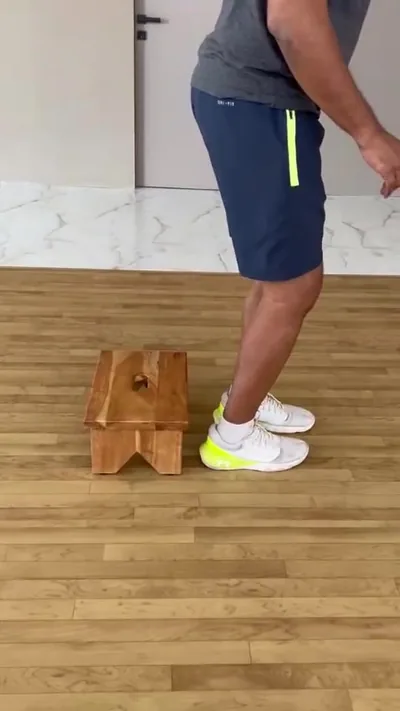
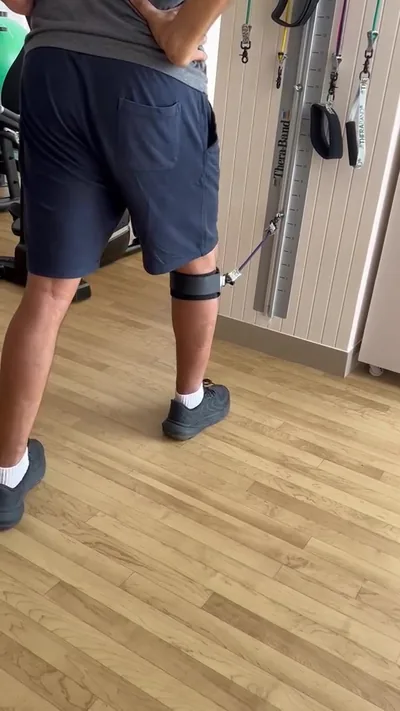
Backward Walking in ACL Rehab Phase 2
Backward walking helps athletes recover from ACL injuries. It builds knee stability in Phase 2 of rehab. This exercise targets quadriceps and improves control after surgery…
Read article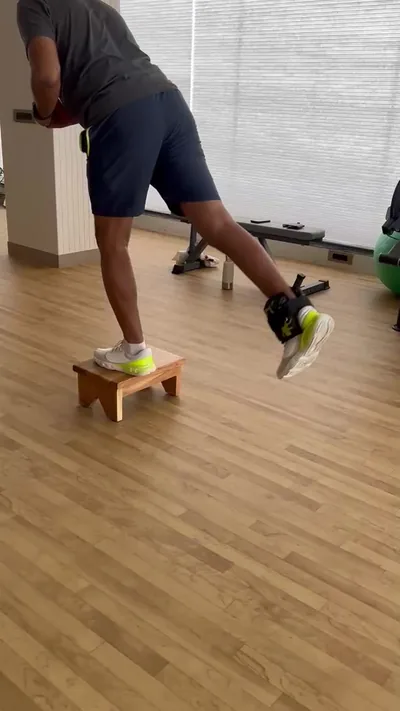

After hip replacement surgery, dressing your lower body can feel hard. Your new hip joint needs protection from certain movements. In week 3, you can start seated techniques to stay safe. These help you gain independence slowly. Precautions matter to avoid hip dislocation. A proper assessment at the clinic helps tailor your recovery plan.
Seated positions keep your hip safe. They reduce bending or twisting risks. By week 3, your strength and balance improve a bit. Still, care is key. Trivayu Physio Center in Vaishali Nagar, Jaipur, offers guidance for such needs.
Post-surgery dressing challenges come from limited hip movement. Seated methods build confidence. They support your path to better function. Physiotherapists at Trivayu Physio Center in Vaishali Nagar, Jaipur, offer guidance for such needs.
By week 3 post hip replacement, you can sit up better. Your operated leg gains some strength. Seated dressing avoids risky bends. It helps you manage daily tasks safer. Independence grows with practice. Looking for a Rehabilitation Centre Near Me? Our team in Vaishali Nagar, Jaipur can assess you in person.
Sitting on a firm chair with good back support works best. Keep your operated side in a neutral position. This follows hip precautions: no crossing legs, no bending past 90 degrees at the hip. Progress from guided help to more independent efforts.
Reachers or long-handled shoehorns can assist. These tools make movements easier. They support your rehab goals. Professional input from physiotherapists ensures safety.
Follow these steps slowly. Stop if pain increases or you feel unstable. Breathe steadily. Use your stronger side more if possible.
For older adults after hip replacement, dressing needs extra care. Skin may be thinner, balance less steady, and flexibility lower. Use higher chairs to keep hips safer. Choose loose clothing that slides easily. Practice in short sessions to avoid fatigue. Sit with feet flat on the floor for stability. In hip replacement rehab, such guidance helps build safe habits.
Right after hip replacement surgery, dressing your lower body can be tricky. Your mobility is limited to protect the new joint. Start with seated methods from early on. Use adaptive tools to avoid risky positions. A physiotherapist can show safe ways to manage this daily task. At Trivayu Physio Center in Vaishali Nagar, Jaipur, we guide post-surgery recovery. More on Ankle Pain Treatment and how we assess it.
In hip replacement rehab, dressing practice is key. Physiotherapists teach safe ways to dress independently. They check your range of motion and strength. They guide you through seated techniques. This builds confidence in daily activities. Orthopaedic rehabilitation supports this process.
Lower body dressing aids help after hip replacement. Reachers let you grab items without bending much. Sock aids hold stockings open so you slide your foot in easily from sitting. Long-handled shoehorns let you push shoes on without twisting. Use these tools to keep your hip safe. Practice with them under guidance. You may also find Hip Replacement Dressing Tips for Socks Month 1 useful.
Independent dressing after hip surgery comes with time and practice. Start seated with help, then build to solo efforts. Use aids to extend your reach. Keep movements slow and controlled. A physio can assess your progress and adjust techniques. This builds safe habits for daily life.
For seniors after hip surgery, dressing needs adjustments. Use chairs at the right height. Opt for elastic waist pants that pull up easily. Practice short sessions to build strength without tiring. Have grab bars nearby for support. A physio can tailor these tips to your needs.
Consult if pain worsens with movement. Seek help for increasing weakness or instability. Persistent difficulty dressing signals need for check.
At Trivayu Physio Center in Va彼此web:20
Sit on a stable chair. Use aids like reachers for underwear, socks and shoes. Start with operated leg. Move slowly to protect your hip.
By week 3, sit and use one-handed methods or aids. Pull garments up legs from seated position. Stand briefly if allowed for final adjustment.
Yes, with practice and aids. Seated techniques help build skills safely over time.
Progress gradually from week 3 if healing well. Always follow doctor advice.
Reachers, sock aids and long-handled shoehorns ease movements. They extend your reach safely.
Physiotherapy supports safe movement patterns. It aids dressing skills through guided practice.
Our team offers in-person assessments at Vaishali Nagar or Vidyadhar Nagar. Home visits and online options available. We focus on safe recovery steps.
Consistent practice builds confidence in dressing. Combine with overall rehab for best results. At Trivayu Physio Center, we support your journey to independence.
Book an assessment today. Contact us via WhatsApp or phone at +91 90570 65065.
Physiotherapy is not the right first step for everything. Seek medical assessment promptly if any of the following apply to you:
If you lose control of your bladder or bowels, develop numbness around the groin, or have chest pain or breathlessness, treat it as an emergency and go to hospital.
Truly thankful to Dr. Jyoti Choudhary and the entire team of Trivayu Physio Centre for their genuine care, humble behaviour, and excellent treatment.
Mahesh Dhaka, Google review
This is one patient's own account, published with consent on our reviews page. It describes their experience, not a predicted outcome. Individual results vary.
Backward walking helps athletes recover from ACL injuries. It builds knee stability in Phase 2 of rehab. This exercise targets quadriceps and improves control after surgery…
Read articleAfter ACL surgery, rebuilding knee strength takes time and care. ACL rehabilitation phases guide this process step by step. Phase 1 protects the graft and cuts…
Read articleAfter hip replacement surgery, dressing your lower body safely helps build independence. By week 6 of hip replacement recovery, many patients aim to dress without help.…
Read articleMessage us on WhatsApp with your main concern and preferred time, and we'll confirm your first visit the same day.