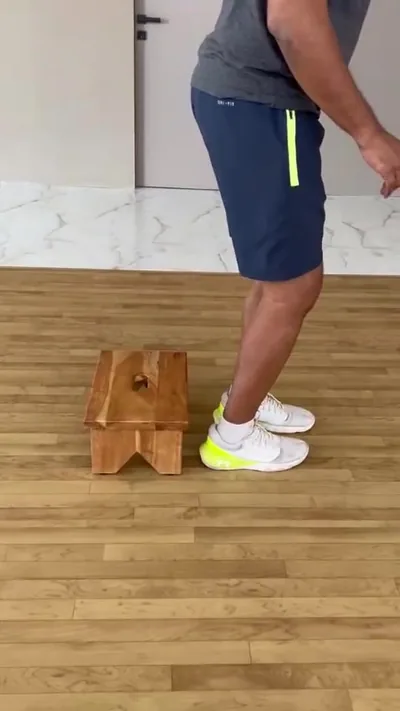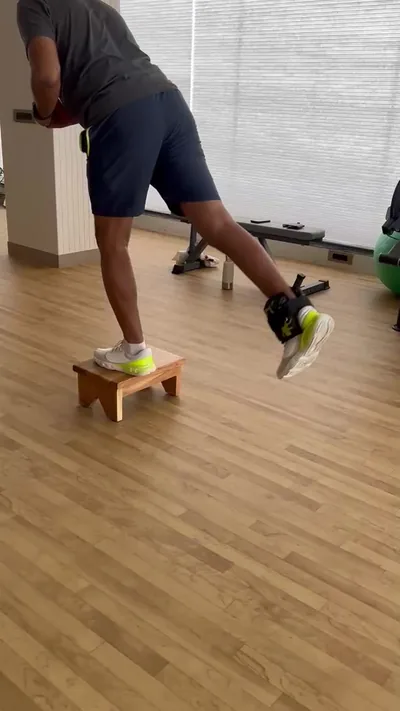
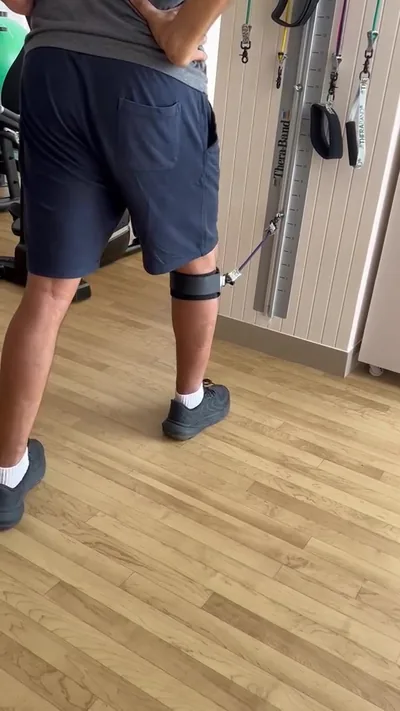
Backward Walking in ACL Rehab Phase 2
Backward walking helps athletes recover from ACL injuries. It builds knee stability in Phase 2 of rehab. This exercise targets quadriceps and improves control after surgery…
Read article

Hip fractures often happen in older adults after a fall. They need surgery or careful management. Early on, a walker gives full support. It helps with weight-bearing and stability. This is common in hip fracture recovery.
A walker keeps weight off the hip. It allows healing. Later, you may switch to a cane. This shows progress in strength and balance. In Jaipur, many seek local physio for this shift.
Geriatric mobility aids follow a plan. Walker first, then cane. This builds confidence. It reduces fall risk. Local factors like roads and daily tasks matter. Looking for a Physiotherapist Near Me? Our team in Vaishali Nagar, Jaipur can assess you in person.
Post hip fracture, recovery has stages. First weeks use a walker. This protects the hip. By week 6 to 10, many aim for less support.
Week 8 often marks a key point. It fits in subacute phase. Strength improves. Balance starts to return. But each person differs.
Factors affect the switch. These include pain, strength, and daily function. Age and health play roles. Always need in-person check.
Balance checks help decide if you can move from walker to cane. These tests check if you can walk safely with less support.
This test checks mobility. Sit to stand. Walk 3 metres. Turn. Sit back. Time it. It shows how well you can move and turn without falling. A physio times you from a chair.
It has 14 tasks. Like standing on one leg. Or reaching forward. Scores over 45/56 suggest ready for less aid. Each task checks a part of balance. A physio scores it. More on Ankle Pain Treatment and how we assess it.
Week 8 balance assessment guides the change. It spots risks. Ensures safe walker to cane. Needs physio expertise.
Other checks include functional reach test. These help decide. But only after full exam.
Hip surgery after fracture needs careful steps. First days focus on bed exercises. Lift your leg while lying down. Tighten thigh muscles. This starts muscle work without weight.
Once up, partial weight on the leg. Use walker. Walk short distances. Build up daily. A physio shows how to stand from bed safely. They check hip position to avoid bad angles. You may also find Hip Replacement Balance on Stairs Week 8 Jaipur useful.
Progress to sit to stand. Use both hands on walker. Shift weight slowly. Aim for 10 repeats. This builds hip strength. Watch for pain or swelling. Rest if needed.
Balance exercises help prevent falls. Start simple. Stand with walker. Shift weight from one foot to other. Hold 10 seconds each side. Do 5 times.
Next, stand with feet apart. Reach forward with one arm. Touch a ball or cloth. This works core and hip. Practice daily 5 minutes.
Later stages add tandem stance. Feet one behind other. Hold wall if needed. Progress to no support. Stop if dizzy or pain comes.
Physiotherapy for elderly hip recovery aids transition. It builds strength. Improves balance. Uses targeted exercises.
Clinical Pilates helps core stability. Balance exercises hip fracture focus on leg and trunk. Electrotherapy reduces pain.
Manual Therapy eases joint stiffness. Orthopaedic Rehabilitation supports overall. Our team at Trivyam Physio Center knows geriatric rehab.
Dr Jyoti Choudhary leads in post-op care. Others handle daily sessions. They guide mobility aid transition.
Mobility aid transition starts with full weight bearing okay from doctor. Physio checks your gait. They watch how you walk with walker.
To switch: first practice walking with one hand on walker. Then, try cane on good leg. Short walks only. Master steps up and down.
Physio watches for limp or sway. They teach how to use cane right. Hold it on opposite side. Move cane and bad leg together.
Master short distances. Then longer ones. Drop walker only when you can walk 50 metres steady.
Physiotherapist guides every step. They check hip range. Teach safe ways to sit, stand, walk.
They use Electrotherapy to ease pain and swelling. Manual Therapy loosens tight muscles around hip.
Orthopaedic Rehabilitation builds full function. They watch for muscle weakness. Add resistance with bands later.
Come to Vaishali Nagar or Vidyadhar Nagar. Or home visits. We check gait and strength. Use balance tests.
Staff explain clearly. They show exercises. Plan is personal. Track progress weekly.
First visit, we measure hip movement. Check muscle power in legs. Test how far you can reach. We note pain spots.
You walk observed. We note speed and steady steps. Based on this, we plan your path to cane.
Besides Timed Up and Go and Berg Scale, we use Tinetti test. It checks balance and gait.
Functional reach test: Stand, reach forward as far as safe. Over 25 cm is better balance.
These tests together show if ready to less support. We repeat every 1-2 weeks.
It varies. Often around week 8. After tests. With physio guidance. Not fixed time.
Timed Up and Go. Berg Balance Scale. Others like Tinetti. They check safety.
Yes, with proper physio. Local experts know needs. Like uneven paths. They adapt plans.
It strengthens muscles. Improves balance. Reduces pain. Guides safe walking.
Single leg stand. Tandem walk. Heel-toe walking. Step ups. Under guidance.
We go slow. Focus on daily tasks like toilet use. Build endurance bit by bit. Watch for tiredness.
They cut fall risk. Help stand steady. Make walking sure.
Hip fracture recovery needs step by step care. From walker to cane, balance tests guide. Hip surgery rehab builds safe movement.
Physiotherapy for elderly hip recovery uses targeted exercises. In Jaipur, at Trivyam Physio Center, we guide mobility aid transition.
Book an assessment at Trivyam Physio Center. Call +91 90570 65065 or WhatsApp at https://wa.me/919057065065 for your plan.
Physiotherapy is not the right first step for everything. Seek medical assessment promptly if any of the following apply to you:
If you lose control of your bladder or bowels, develop numbness around the groin, or have chest pain or breathlessness, treat it as an emergency and go to hospital.
Truly thankful to Dr. Jyoti Choudhary and the entire team of Trivayu Physio Centre for their genuine care, humble behaviour, and excellent treatment.
Mahesh Dhaka, Google review
This is one patient's own account, published with consent on our reviews page. It describes their experience, not a predicted outcome. Individual results vary.
Backward walking helps athletes recover from ACL injuries. It builds knee stability in Phase 2 of rehab. This exercise targets quadriceps and improves control after surgery…
Read articleAfter ACL surgery, rebuilding knee strength takes time and care. ACL rehabilitation phases guide this process step by step. Phase 1 protects the graft and cuts…
Read articleAfter hip replacement surgery, dressing your lower body safely helps build independence. By week 6 of hip replacement recovery, many patients aim to dress without help.…
Read articleMessage us on WhatsApp with your main concern and preferred time, and we'll confirm your first visit the same day.