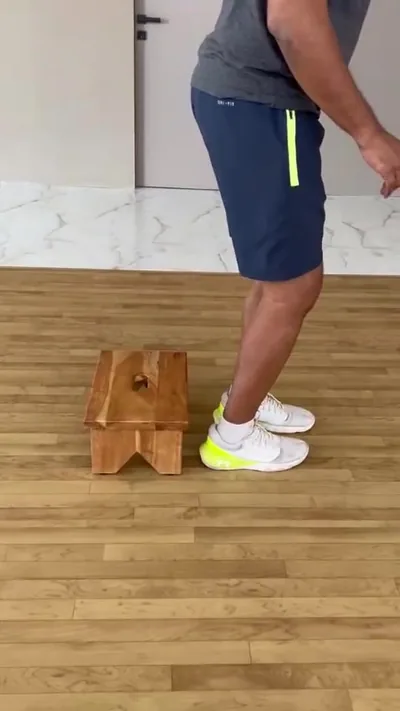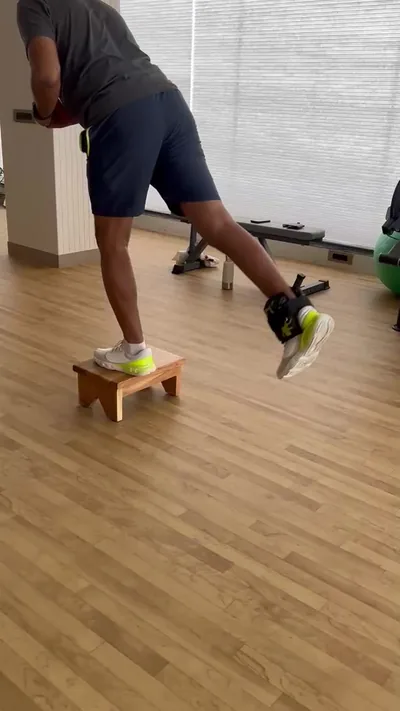
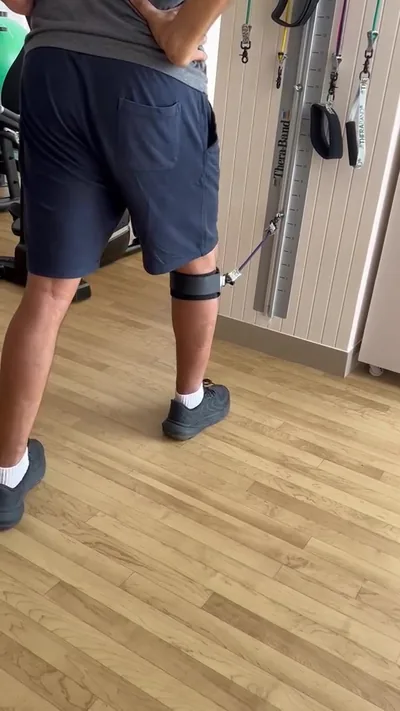
Backward Walking in ACL Rehab Phase 2
Backward walking helps athletes recover from ACL injuries. It builds knee stability in Phase 2 of rehab. This exercise targets quadriceps and improves control after surgery…
Read article

Safe bed mobility is vital after hip replacement surgery. It prevents joint dislocation. Early mobility reduces stiffness and supports blood flow. These steps lower clot risks and aid healing.
Follow your surgeon’s rules first. Precautions vary by surgery type, like posterior or anterior approach. Posterior approach often limits hip adduction more strictly to avoid inward leg pull.
These tips cover basic techniques. Practice under guidance. In Jaipur, physios tailor post hip surgery mobility to your home setup and progress.
Bed mobility matters first weeks after hip surgery. Wrong moves can twist the joint and raise dislocation risk. Safe moves build confidence.
Early mobility starts in hospital with nurses helping log rolls and sits. At home, continue to prevent weakness. Use aids like walker or crutches as advised.
See physio for checks. They spot issues like muscle imbalances, where one side overworks. Post-surgery rehab includes skills practice plus strength work for glutes and core.
Use right bed height. Feet touch floor flat when sitting, knees at 90 degrees. Firm mattress helps control moves.
Sleep on back or unaffected side. Pillow between knees stops operated hip rolling inward. For back sleeping, rolled towel under operated knee keeps slight bend to relax muscles. Looking for a Physiotherapy Clinic Near Me? Our team in Vaishali Nagar, Jaipur can assess you in person.
Avoid hip abduction beyond 45 degrees – legs apart too wide. No leg crossing at ankles or knees. Hip bend under 90 degrees when sitting or rolling.
Wrong positions strain joint and raise pain. Check alignment every shift by feeling hips level.
Dislocation risks peak first six weeks. Bed moves cause many if precautions ignored. Keep hips aligned like a hinge – no side twist. Use log roll technique always.
Avoid reaching down for slippers or twisting for bedside table. Keep essentials on high table within arm reach.
If you feel a pop, sharp pain, shortening of leg or instability, stop all movement. Lie flat on back. Do not try to stand.
Physiotherapists prevent this by grading exercises: start isometric holds, progress to resisted only when stable. They use mirrors or video for you to see form faults like hip drop.
Use log roll to keep hips aligned. Practice 3-5 times daily, plus once per wake-up. Go slow, breathe steady. What to expect: first days shaky, improves with reps. More on Ankle Pain Treatment and how we assess it.
Bend hips and knees together equally. If sharp pain or clunk, ease back to lie, note details for physio. They retrain if you compensate with back arch.
Reverse out-of-bed steps. Sit sideways at edge, face bed. Walker at side for balance.
Avoid hip twist or internal rotation by keeping shoulders leading roll. Physio demos with mirrors and your feedback on tight spots. Expect 10-20 seconds per transfer first week.
Beyond bed, follow rules to protect new joint. No low chairs – rise needs hip under 90 degrees. Use raised toilet seat if provided.
Start gentle moves when surgeon clears, often day one lying down. Do in short sessions. Physio progresses based on your pain scale and range.
Progress to bridges when glutes strong: lift hips keeping knees aligned. Orthopaedic Rehabilitation teaches advances like this safely. Stop if pain beyond mild ache.
Start short walks day one or two if stable and pain controlled. Use walker, small even steps, foot flat heel-toe. Aim 5-10 minutes, every two hours if awake.
Physio checks gait pattern: watches for Trendelenburg limp (hip drop), teaches tall posture. Add marches in place: lift knee to 30 degrees, hold 3 seconds. You may also find Hip Replacement Toilet Transfer Using Rails useful.
Lying to sitting practice bridges bed to walking. Physio cues: “pelvis level, eyes forward.”
Local physios in Jaipur start with bed skills before standing. They assess home bed, add rails if needed. Sessions include hands-on guide for log roll, then independent practice.
Seek help if pain worsens with moves, persistent weakness, new swelling or fear of transfers. Trouble bearing weight on operated leg or one calf swells.
Trivayu Physio Center offers post-op rehab. Dr. Jyoti Choudhary has orthopaedics expertise for joint checks. Dr. Hritika Choudhary handles electrotherapy. Locations: Vaishali Nagar and Vidyadhar Nagar.
Manual Therapy aids joint mobilisation when ready. Book assessment for tailored rehab. Hands-on checks tailor bed plans to your precautions.
Log roll to unaffected side as one unit, push up on elbow, scoot to edge keeping leg straight, stand with walker even weight. Mirror helps form.
No crossing legs, hip flexion over 90 degrees, inward roll of operated leg, stomach lying. Pillows between knees fix most.
Ankle pumps often day one if allowed. Heel slides after physio okay. Varies by your health, approach, complications.
Yes. Teaches exact techniques, corrects form errors, builds strength. Prevents dislocations and setbacks.
Pivoting on operated hip, excessive waist twist, bending too far forward, skipping pillow checks, rushing stands.
Trivayu Physio Center, Vaishali Nagar or Vidyadhar Nagar. Specialises in post-surgery care with home-tailored plans.
Master these steps for steady recovery. See physio early for personal checks and progress.
Book at Trivayu Physio Center. WhatsApp or call +91 90570 65065.
Physiotherapy is not the right first step for everything. Seek medical assessment promptly if any of the following apply to you:
If you lose control of your bladder or bowels, develop numbness around the groin, or have chest pain or breathlessness, treat it as an emergency and go to hospital.
Truly thankful to Dr. Jyoti Choudhary and the entire team of Trivayu Physio Centre for their genuine care, humble behaviour, and excellent treatment.
Mahesh Dhaka, Google review
This is one patient's own account, published with consent on our reviews page. It describes their experience, not a predicted outcome. Individual results vary.
Backward walking helps athletes recover from ACL injuries. It builds knee stability in Phase 2 of rehab. This exercise targets quadriceps and improves control after surgery…
Read articleAfter ACL surgery, rebuilding knee strength takes time and care. ACL rehabilitation phases guide this process step by step. Phase 1 protects the graft and cuts…
Read articleAfter hip replacement surgery, dressing your lower body safely helps build independence. By week 6 of hip replacement recovery, many patients aim to dress without help.…
Read articleMessage us on WhatsApp with your main concern and preferred time, and we'll confirm your first visit the same day.