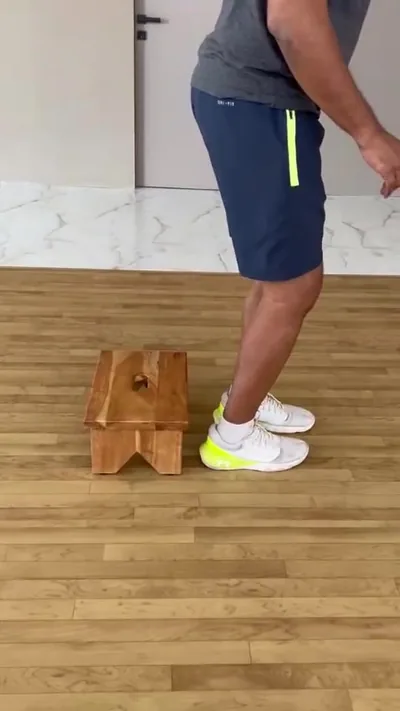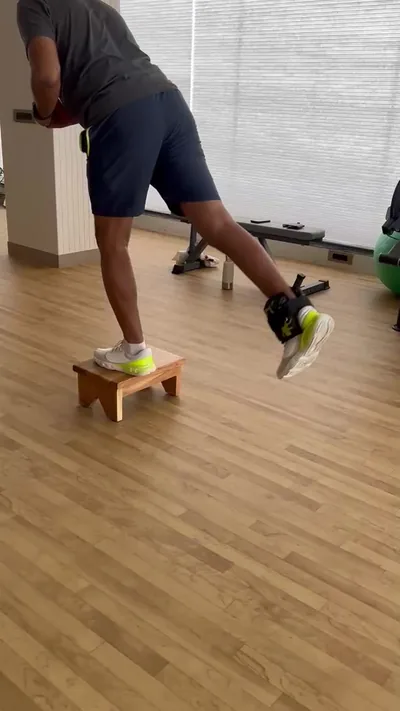
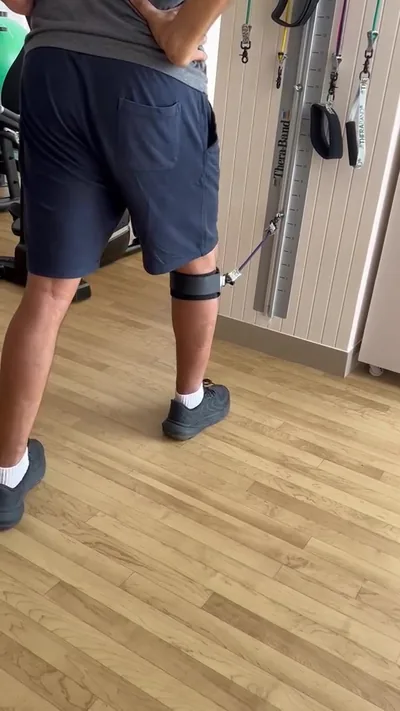
Backward Walking in ACL Rehab Phase 2
Backward walking helps athletes recover from ACL injuries. It builds knee stability in Phase 2 of rehab. This exercise targets quadriceps and improves control after surgery…
Read article

After hip replacement surgery, safe toilet use aids recovery. Falls risk hip dislocation. Rails help transfers without risk.
This guide covers safe toilet transfer using rails. Steps suit elderly hip rehab. Get clinic assessment first. Trivayu Physio Center in Vaishali Nagar teaches these skills.
Follow doctor advice. Use mobility aids as directed. Technique builds confidence.
Safe transfer protects the new hip joint. Weak muscles and pain affect balance. Wrong twist risks dislocation from excess bend or leg cross.
Risks include slips or reaching without support. Rails provide grip for controlled sit and stand.
See a physiotherapist early. Trivayu Physio Center assesses needs and covers precautions. Locations: Vaishali Nagar and Vidyadhar Nagar.
Rails prevent falls. They support weight during lower and rise, reducing hip strain. Rails maintain safe positions without deep bend or twist.
Use sturdy wall-fixed rails. Vertical beside toilet for grip. Horizontal for pull-up. Fold-down saves space. Ensure they hold your weight.
Trivayu links rails to rehab. Dr. Jyoti Choudhary and team teach transfers. Services include posture correction and exercise therapy.
Physiotherapist teaches precautions: limit hip bend to 90 degrees. Avoid leg cross or outward twist. Apply during toilet use.
Keep operated leg straight or back when sitting. Knee not higher than hip. Use raised seat. Physio checks form. During sit, slide back on seat fully.
Precautions last weeks to months. Trivayu adjusts as strength builds. Practice in clinic first.
Use walker or crutches early. They offload operated leg. Place walker in front of toilet. Grip it with one hand, rail with other.
Physiotherapist teaches slow weight advance. Progress to one crutch, then stick. Trivayu fits aids. Start with non-slip tips on crutches for bathroom floors.
Choose lightweight walker with wide base for bathrooms. Lock brakes, position square, then transfer. Keep walker wheels away from wet areas.
Use both hands on rails. Keep operated leg back. Wear grippy shoes. Empty bladder halfway if full to reduce time seated.
Go slow. Breathe steady. Practice with physio. Use aids first weeks. Repeat 5-10 times daily for muscle memory.
Position aids first. Turn square to toilet. Use arms for lift, not legs initially. Practice sequence: walker forward, body turn, hands to rails.
For side transfer, use board. Slide keeping hip straight. Trivayu demonstrates. Practice on chair first. Board from thigh to toilet seat; slide butt across in short shifts. Looking for a Physiotherapy Clinic Near Me? Our team in Vaishali Nagar, Jaipur can assess you in person.
In shower, transfer to chair same way. Keep operated hip lower than knee. Dry hands before grip. Use handheld shower to avoid stretch. Sit with back support.
Clear clutter. Remove slip rugs. Install rails in bathroom and bedroom. Use night lights. Keep pathways 90 cm wide minimum.
Wear rubber-soled slippers. Rise from bed: roll to side, push with arms, swing legs over together. Practice bed-to-chair like toilet.
For stairs, rail in one hand, cane in other. Good leg up first, bad leg down first. Step fully before next.
Fix rails 80-90 cm high for pull-up. One at knee height. Test with full weight. Screw into studs. Vertical rail 35-40 cm from toilet centreline. Read more about our Home Visits.
Fold-down suits Jaipur bathrooms. Physio inspects if home visit offered. Pair with raised seat. Raised seat 10-15 cm high reduces bend. Secure with non-slip base. You may also find Hip Replacement Sit to Stand from Chair useful.
Clean rails daily. Full hand grip. Physio suggests aids if hands weak. Use padded gloves for better hold on metal rails.
Use non-slip mats. Raise toilet to knee height. Cuts hip bend. Mats cover full floor area, edges taped down.
Wear loose clothes. Keep items in reach. Front pants or elastic waist ease without bending.
If pain or balance fails, seek physio. Trivayu offers manual therapy and clinical Pilates. Geriatric physiotherapy aids hip rehab. Manual therapy eases tight muscles around hip.
Physio starts soon after surgery. Sessions twice weekly. Begin with bed leg raises: straight leg lift 10 cm, hold 5 seconds. Progress to transfers.
Balance tests: stand on one leg with support. Gait training on even floor. Mirror for posture check. Dr. Hritika Choudhary guides elderly.
Home program: wall slides for hip glide, heel raises for calf power. Track in diary: reps, pain level. Add bridge holds on bed for glute strength.
Physios monitor progress with simple tests like timed up-and-go. Elderly focus on daily function over speed.
Watch for pain, swelling, weakness. Trouble transferring needs help. Sudden limp or hip heat signals issue.
Trivayu experts like Dr. Hritika Choudhary do post-op rehab. Use robotic spinal decompression and electrotherapy if suited. Electrotherapy reduces swelling via gentle pulses.
Team has 17+ years. Services: orthopaedic physiotherapy, women’s health. Book at Vaishali Nagar or Vidyadhar Nagar.
Use rails. Back to toilet, lower with arms. Stand pushing straight. Feet flat, no leg cross. Operated leg back. Practice mirror side view.
Wall-fixed. Vertical for grip, horizontal for pull-up. Bear body weight. Fold-down if tight space. Check Jaipur suppliers for Bariatric if needed.
Yes, early. Place front, hold rails. Ask Trivayu physio. Advance with strength. Measure bathroom door width first.
After physio clearance. When strength and balance return. Get assessed. Test: 10 stands without hands.
Trivayu Physio Center, 204, 2nd Floor, Om Tower, Gandhi Path Road, Nemi Nagar. Mon-Sat 8 am-8 pm, Sun 10 am-1 pm.
Practice daily. Build strength step by step.
Book assessment at Trivayu Physio Center. WhatsApp or call +91 90570 65065 for hip replacement toilet transfer help in Jaipur.
Physiotherapy is not the right first step for everything. Seek medical assessment promptly if any of the following apply to you:
If you lose control of your bladder or bowels, develop numbness around the groin, or have chest pain or breathlessness, treat it as an emergency and go to hospital.
Truly thankful to Dr. Jyoti Choudhary and the entire team of Trivayu Physio Centre for their genuine care, humble behaviour, and excellent treatment.
Mahesh Dhaka, Google review
This is one patient's own account, published with consent on our reviews page. It describes their experience, not a predicted outcome. Individual results vary.
Backward walking helps athletes recover from ACL injuries. It builds knee stability in Phase 2 of rehab. This exercise targets quadriceps and improves control after surgery…
Read articleAfter ACL surgery, rebuilding knee strength takes time and care. ACL rehabilitation phases guide this process step by step. Phase 1 protects the graft and cuts…
Read articleAfter hip replacement surgery, dressing your lower body safely helps build independence. By week 6 of hip replacement recovery, many patients aim to dress without help.…
Read articleMessage us on WhatsApp with your main concern and preferred time, and we'll confirm your first visit the same day.