Knee Pain from Kneeling in Temple Prayers Jaipur
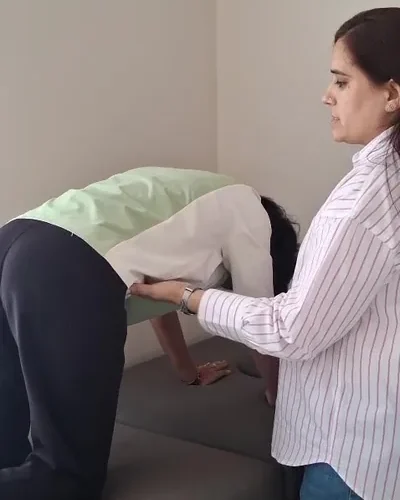
Knee pain from kneeling during temple prayers affects many elderly and adults in Jaipur. Prolonged kneeling on hard floors strains knees. Protective exercises before and after…
Read article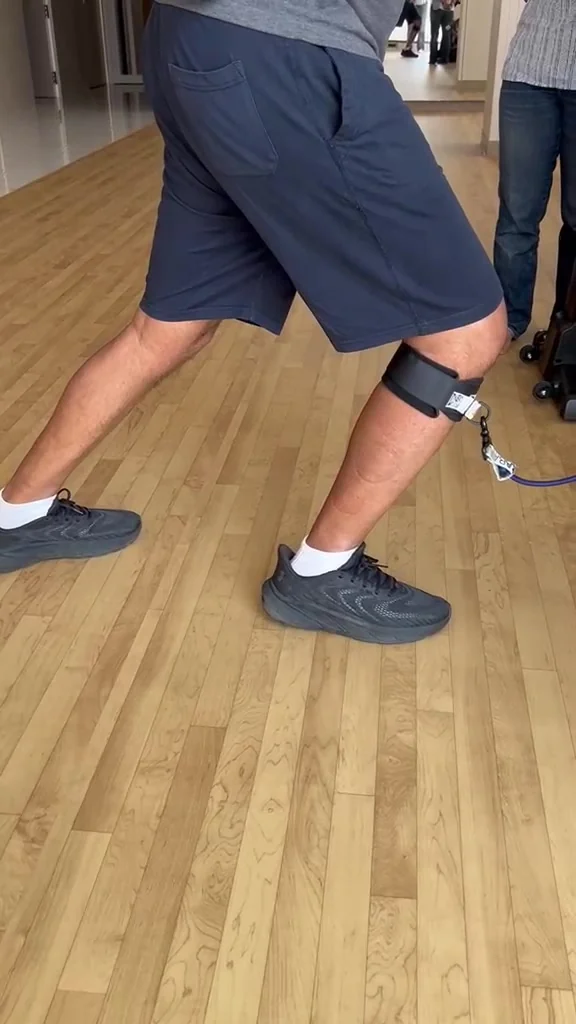

Knee ligament injuries sideline cricket players in Jaipur. Fast turns, stops, and jumps on local pitches raise risk. Warm-up routines prepare knees and cut risk.
Jaipur players face uneven grounds and long matches. Preparation builds knee stability.
Follow these to stay on the field. They focus on preventing knee ligament tears, like ACL strains in cricket. Build habits for nets, practice, and matches.
Cricket demands quick direction changes. Bowlers pivot on front foot in delivery stride, landing hard with knee extended.
ACL strains occur from sudden stops or awkward landings, like a fielder chasing a ball.
Ligament injury risk rises in Jaipur cricket from long hours in sun, dehydration, and sudden sprints on patchy turf. Fast bowlers face highest load from repeated strides. Looking for a Rehabilitation Centre Near Me? Our team in Vaishali Nagar, Jaipur can assess you in person.
Start sessions with dynamic warm-up pre-match or nets. Takes 10-15 minutes. Use bodyweight. Start slow to raise heart rate, add sport-specific moves.
Step-by-step sequence:
This preps knees for explosive actions. Do daily, even gully games.
Strengthen knees twice weekly, or 3 times if high volume bowler. Focus on form over reps. Start 2 sets of 10-12 reps. Rest 60 seconds between sets.
Do after warm-ups, on non-match days. Boosts ligament support. Physio checks alignment, like knee cave in squats. Pair with core work: planks 20-30 seconds to stabilise.
Target muscles around joint for ACL injury prevention cricket. Do 2-3 times weekly after strengthening. Focus on control, not speed.
Physios at Trivayu guide for ACL prevention. Integrate into nets: do between overs. Breathe steady, stop if knee buckles.
Match day: arrive 45 minutes early. Start 5 minutes light jogging on outfield. Follow full dynamic sequence above.
Foam roll calves, quads, IT band if tight—roll slow 30 seconds per spot. Sip water every 5 minutes in heat.
Sports physios stress balance, agility, load management for ligament injury risk cricket.
Single-leg stands on uneven turf like Jaipur park grass, 30 seconds per leg. Balance board: rock side to side 20 reps, progress circles.
Footwear with grip for local grounds—firm ground studs, not super spikes. Replace when tread wears. Hydrate: 500ml two hours before, sip 150ml every 20 minutes during. Read more about our Sports Injury & Rehab.
Bowlers: front-foot landing drills—practice soft knee on mark, 10 reps. Batsmen: pivot turns without ball, quick direction change 5 each way.
One-leg stand eyes closed, 20-30 seconds per leg. Progress to tossing ball hand to hand, or partner passes. Do on foam mat or thick towel for instability.
Combine warm-ups daily, strength 2-3x, stability 3x weekly. Alternate hard cricket days with light gym. Total 4-5 sessions.
Typical session: chat on play style—bowler, batsman? Tests like single-leg squat hold, hop tests. Custom exercises based on findings, like extra glute work for bowlers. You may also find Ankle Sprain Recovery in Cricket: Physio Tips useful.
ACL tears hit fielders and bowlers most from planting and cutting. Prevent with neuromuscular training: controlled landings after jumps, hip-focused moves.
Watch for swelling, sharp pain on twist, instability like giving way, or pain landing. Rest, ice 15 minutes after knock, elevate, then check next day.
Visit Trivayu Physio Center in Vaishali Nagar or Vidyadhar Nagar. Dr. Jyoti Choudhary offers exercise therapy, sports rehab, manual therapy, clinical Pilates. Home visits available.
Pro check spots weaknesses early. Tailored plans prevent issues. Book for prevention screen before season.
Dynamic warm-ups daily, squats, lunges, single-leg balance. Proper footwear, grip on pitches. Agility drills like shuffles.
March, leg swings front/side, lunges, high knees, butt kicks, shuffles, pivots. 10-15 minutes plus jog and sport shadows.
Squats, single-leg lunges, wall sits, calf raises, glute bridges. Add core planks.
Pain, swelling, instability, or after knock. Pre-season screen for bowlers.
Boosts blood flow, loosens muscles/joints, activates nerves for sudden actions on uneven ground.
Single-leg stance/holds, side leg lifts, step-ups, Bosu circles, star excursions, landing drills.
Stick to these for safer cricket in Jaipur.
Book assessment at Trivayu Physio Center. WhatsApp or call +91 90570 65065.
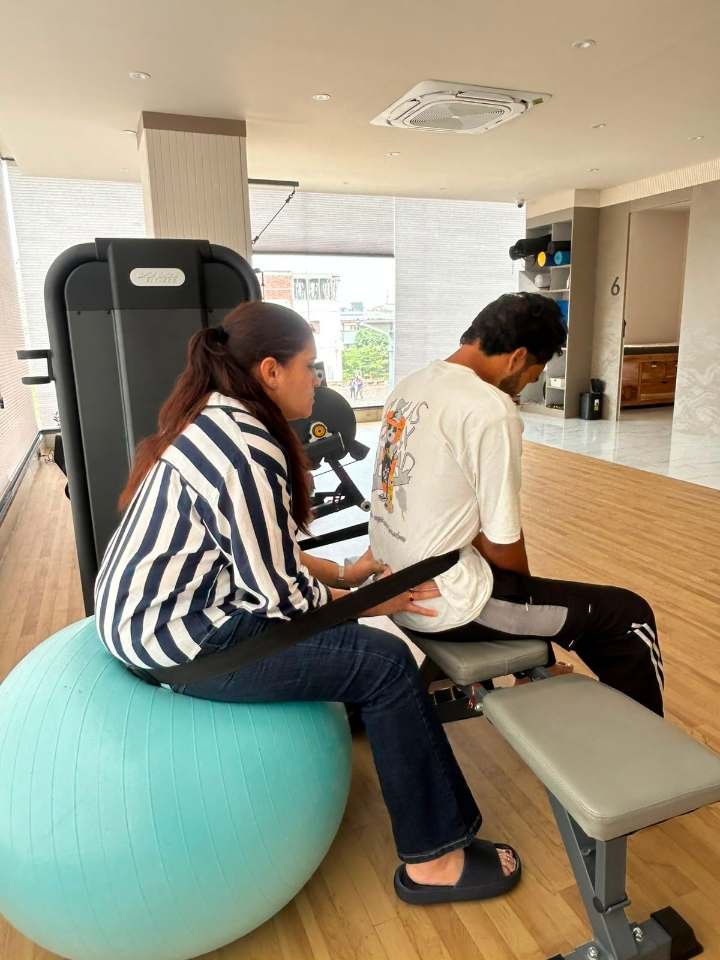
Physiotherapy is not the right first step for everything. Seek medical assessment promptly if any of the following apply to you:
If you lose control of your bladder or bowels, develop numbness around the groin, or have chest pain or breathlessness, treat it as an emergency and go to hospital.
Truly thankful to Dr. Jyoti Choudhary and the entire team of Trivayu Physio Centre for their genuine care, humble behaviour, and excellent treatment.
Mahesh Dhaka, Google review
This is one patient's own account, published with consent on our reviews page. It describes their experience, not a predicted outcome. Individual results vary.
Knee pain from kneeling during temple prayers affects many elderly and adults in Jaipur. Prolonged kneeling on hard floors strains knees. Protective exercises before and after…
Read articleMany new mothers in Jaipur notice a soft gap in their belly after delivery. This is diastasis recti postpartum. Abdominal muscles separate during pregnancy. Core activation…
Read articleLeg weakness after stroke affects walking and balance. Stroke survivors in Jaipur face this. Home exercises build strength if done safely. Seated exercises start easy. Standing…
Read articleMessage us on WhatsApp with your main concern and preferred time, and we'll confirm your first visit the same day.