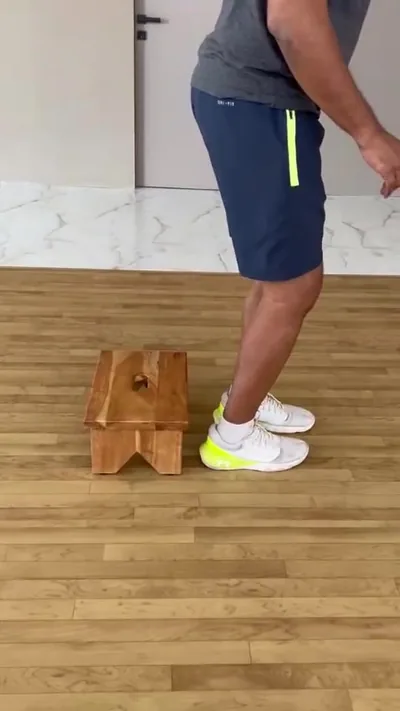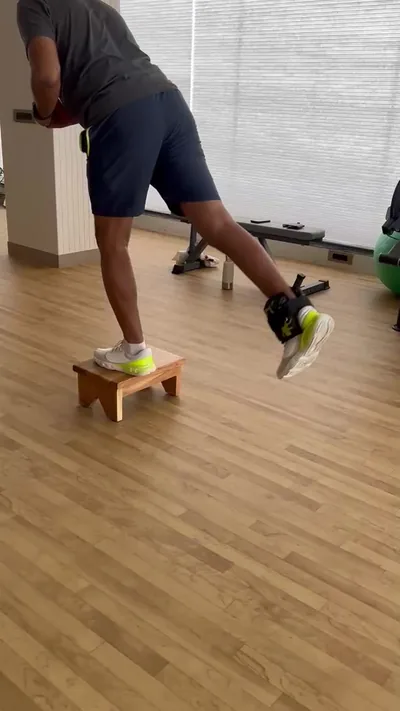
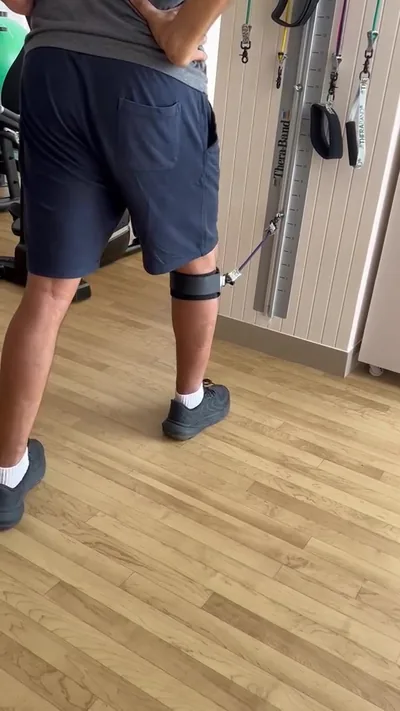
Backward Walking in ACL Rehab Phase 2
Backward walking helps athletes recover from ACL injuries. It builds knee stability in Phase 2 of rehab. This exercise targets quadriceps and improves control after surgery…
Read article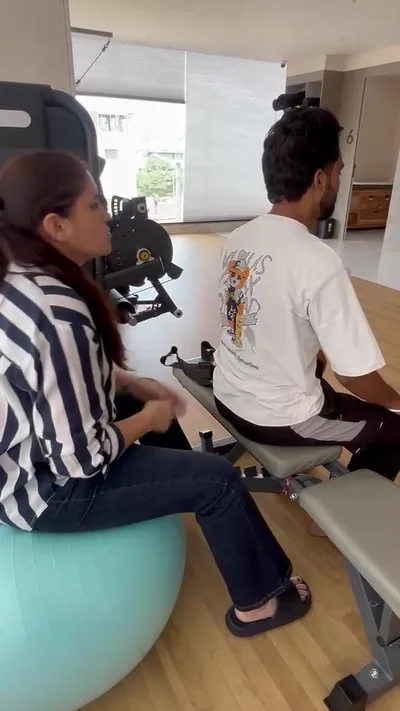
The short answer
Postpartum back pain in new mothers in Jaipur arises from pregnancy changes, weakened core muscles, stretched ligaments, and baby care activities like breastfeeding or carrying. Safe core exercises such as pelvic tilts, glute bridges, bird-dog, and dead bug rebuild strength, ease pain, and improve posture at home. Consult a professional before starting, especially after C-section.
New mothers in Jaipur often face back pain after delivery from pregnancy changes, weakened core muscles, and baby care. Safe core exercises rebuild strength without risk for postpartum recovery at home.
Postpartum back pain comes from stretched ligaments and poor posture from breastfeeding or carrying the baby. Safe core strengthening restores stability. Check with a professional before starting, especially after C-section. This guide shares simple exercises for back pain relief.
Trivayu Physio Center in Vaishali Nagar and Vidyadhar Nagar offers women’s health physiotherapy, including ante-natal and post-natal rehab programs.
Back pain stems from pregnancy changes. Hormones like relaxin loosen ligaments around the pelvis and spine. The growing belly shifts centre of gravity forward, straining lower back muscles and joints. After birth, core muscles remain stretched and weak. Pelvic floor muscles need time to tighten.
Weak core and posture changes worsen it. Holding the baby pulls shoulders forward. Breastfeeding while slouched rounds the upper back. Changing nappies or lifting from a low cot twists the spine if done wrong. Diastasis recti leaves less spine support. Safe exercises address these causes. Looking for a Physiotherapist Near Me? Our team in Vaishali Nagar, Jaipur can assess you in person.
Gentle exercises rebuild core strength, ease back pain, improve posture, and help reduce chronic strain. Start slow. A physiotherapist tailors moves to your delivery type and recovery stage.
Recovery follows stages to protect healing tissues. First 6 weeks focus on rest and basic pelvic floor work. Avoid high-impact moves or heavy lifting. Add core activation as bleeding stops and energy returns.
For C-section, protect the abdominal scar. Do not strain the incision early. Vaginal delivery allows quicker start if no tears. Watch for increased pain, leakage, or pelvic heaviness. Read more about our Women's Health Physiotherapy in Jaipur.
Daily habits: Lie on side to breastfeed with pillows supporting baby at chest level to keep back straight. Stand to soothe baby with knees soft, not locked.
Timelines differ. After vaginal birth, begin gentle moves within days if no complications. Wait 6-8 weeks post C-section or until doctor clears. Listen to body cues like steady energy or no pulling sensations.
Signs body is ready: reduced bleeding, no sharp pain with movement, normal bowel movements, stable standing. Start pelvic floor squeezes: imagine stopping urine flow, hold 3-5 seconds, release. You may also find Pelvic Floor Exercises After C Section for New Mothers useful.
Professional assessment checks diastasis recti, pelvic floor strength, and posture. At Trivayu, experts help ensure safe postnatal core strengthening matched to needs.
Try these 4 gentle home exercises. Do 8-10 reps per side, 2-3 times daily. Breathe out on effort, in on release. Stop if pain increases or back arches.
Form tips: Keep spine neutral. Engage core by drawing belly button to spine. Move one side at a time if needed. These aid post baby back relief.
Pelvic floor muscles support organs and stabilise core. Pregnancy stretches them. Weakness lets pelvis shift, causing back pain.
Start Kegels: squeeze upward, hold 5 seconds, relax 10 seconds. Progress to 10 quick flicks. Do during daily tasks.
Physiotherapist uses biofeedback or ultrasound to check strength, teaches proper squeeze. Combine with core work.
Build 10-minute daily routine. Week 1: pelvic tilts, Kegels. Week 2: add glute bridges. Week 3: bird-dog. Week 4: dead bug if stable.
Progress signs: easier breathing, no leaking, firmer abs. If diastasis, avoid planks until gap closes under guidance.
Pair with stretches: child’s pose, breathe 20 seconds. Cat-cow on all fours, 5 times.
Sit tall while feeding, use nursing pillow. Feet flat or on footstool. Stand with weight even, shoulders relaxed, chin tucked.
Warm showers before exercises. Heat packs on low back 10 minutes. Stay hydrated. Nap flat with knees bent.
Expert guidance fixes imbalances. Trivayu team, including Dr. Jyoti Choudhary with 17+ years in sports and orthopaedics, offers ante-natal and post-natal programs. Use manual therapy, clinical Pilates, exercise therapy.
Sessions include posture analysis, diastasis test, pelvic floor exam. Hands-on demos, home plans, progress tracking.
Locations: Vaishali Nagar (204, 2nd Floor, Om Tower, Gandhi Path Road, Nemi Nagar), Vidyadhar Nagar at Rangoli Gardens. Home visits, online consultations.
Not always. Wait until bleeding lessens, no pain. Gentle pelvic tilts may start early post vaginal, but get clearance.
Post vaginal: days to weeks if stable. Post C-section: 6-8 weeks or doctor approved. Stability and energy matter.
Pelvic tilts, bridges, bird-dog, dead bug, Kegels. Focus on breathing, form, pelvic floor.
If pain lasts over 2 weeks, worsens with activity, or with numbness, leaking, bowel changes. Before exercises.
Yes. Aligning spine reduces strain. Physiotherapists teach habits for holding, feeding, lifting.
Measure gap, teach deep core activation, avoid crunches. Manual work closes separation.
Safe core exercises bring back pain relief. Build strength steadily. Progress varies.
Book assessment at Trivayu Physio Center today. WhatsApp +91 90570 65065 or call for home visits.
Physiotherapy is not the right first step for everything. Seek medical assessment promptly if any of the following apply to you:
If you lose control of your bladder or bowels, develop numbness around the groin, or have chest pain or breathlessness, treat it as an emergency and go to hospital.
Backward walking helps athletes recover from ACL injuries. It builds knee stability in Phase 2 of rehab. This exercise targets quadriceps and improves control after surgery…
Read articleAfter ACL surgery, rebuilding knee strength takes time and care. ACL rehabilitation phases guide this process step by step. Phase 1 protects the graft and cuts…
Read articleAfter hip replacement surgery, dressing your lower body safely helps build independence. By week 6 of hip replacement recovery, many patients aim to dress without help.…
Read articleMessage us on WhatsApp with your main concern and preferred time, and we'll confirm your first visit the same day.