ACL Rehab Squat Depth Test Phase 3
After ACL surgery, rebuilding knee strength takes time and care. ACL rehabilitation phases guide this process step by step. Phase 1 protects the graft and cuts…
Read article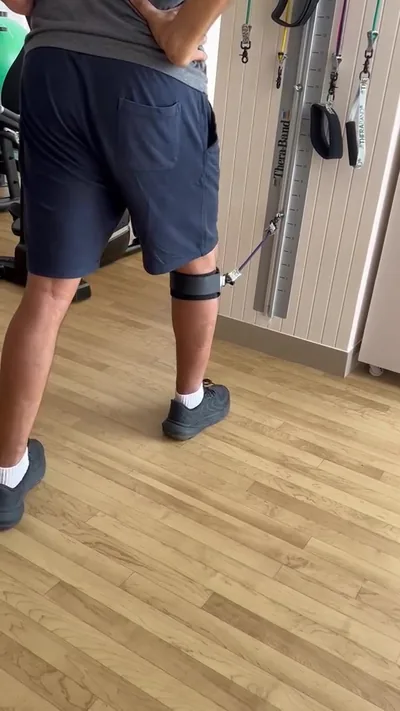

Backward walking helps athletes recover from ACL injuries. It builds knee stability in Phase 2 of rehab. This exercise targets quadriceps and improves control after surgery or tear.
In ACL rehab backward walking drills strengthen muscles differently from forward steps. They aid proprioception, the body’s sense of position. Phase 2 focuses on stability before returning to sports.
Athletes in Jaipur can use these drills under physio guidance. Trivayu Physio Center offers support for sports injury rehab. Backward walking fits into post-ACL surgery exercises safely.
Backward walking is a key exercise in ACL tear rehabilitation. It involves stepping backwards in a controlled way. This drill activates the quadriceps muscle more than forward walking.
In Phase 2 ACL rehab, backward walking improves knee control. It challenges balance without high impact. Patients feel the knee joint working to stabilise during each step back.
The exercise also engages hamstrings and glutes. This helps overall leg strength. For athletes, it prepares the knee for sports demands. A physiotherapist checks your form to avoid strain.
Phase 2 comes after initial post-surgery healing. Forward walking may strain the knee too soon. Backward walking offers a safer progression. It loads the knee joint differently, reducing shear forces. Looking for a Physiotherapist Near Me? Our team in Vaishali Nagar, Jaipur can assess you in person.
It boosts proprioception, helping the brain relearn knee position. This reduces fall risk in sports. Glute engagement strengthens the hip, supporting knee stability. Quadriceps activation fights muscle loss after ACL injury.
Backward steps demand more from this front thigh muscle. It fits sports injury rehab by mimicking controlled retreat in games. Athletes regain confidence in knee control step by step.
A physiotherapist starts with a full assessment of your knee. They test range of motion, strength and stability. For ACL tears, rehab divides into phases. Phase 1 focuses on reducing swelling and regaining basic movement.
Phase 2 introduces backward walking once the knee extends fully without pain. The physio watches for alignment issues like knee valgus, where the knee caves inward. They adjust your posture to keep the knee tracking over the toes.
Progression depends on your response. If the knee feels stable, they add time or speed. They combine backward walking with other stability drills ACL for balanced recovery. More on Ankle Pain Treatment and how we assess it.
Start these ACL recovery exercises only with physio approval. Begin on flat ground or treadmill for safety. Wear supportive shoes to cushion the steps.
Watch knee alignment. It should not cave inward. Breathe steadily in through nose, out through mouth. Stop if pain occurs or knee buckles.
Treadmill provides steady speed and handrail support. It lets you focus on form without worrying about tripping. Ground builds balance more as you adapt to uneven surfaces.
Start on treadmill for safety. Switch to ground once you manage 5 minutes without handrails. Alternate to challenge proprioception. Your physio decides the best surface for your stage.
Backward walking trains knee control by forcing the muscles to stabilise in a new direction. The quadriceps contract eccentrically, controlling the backward motion. This builds strength safely.
It improves neuromuscular coordination. The brain learns to fire muscles faster for stability. Athletes notice better pivot control, key for sports like football or cricket.
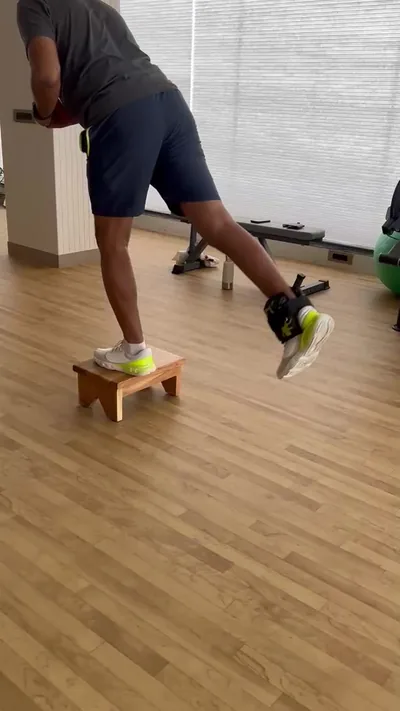
Combine with single-leg stands to enhance control. Hold 30 seconds per leg between backward sets. This targets the operated knee directly.
Post-ACL surgery exercises progress gradually. Early phase uses gentle range of motion like heel slides. Backward walking enters in Phase 2 when walking normally without limp.
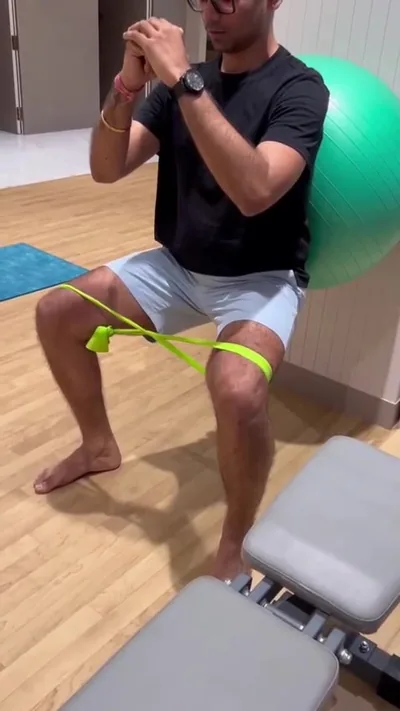
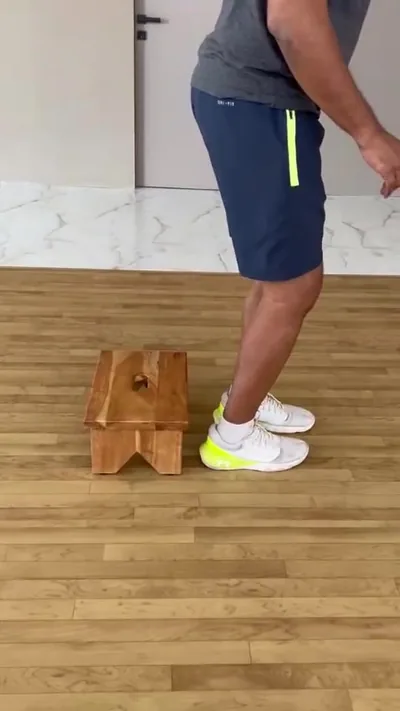
Other Phase 2 moves include mini-squats and step-ups. Backward walking complements them by adding directional challenge. It prepares for agility drills later.
Your physio integrates it into a full programme. They monitor graft healing and muscle balance to prevent overload.
Stability drills ACL start simple and advance. Backward walking forms the base. Add perturbations like light ball tosses while walking back to mimic sports chaos. You may also find ACL Rehab Squats Phase 2 for Athletes useful.
Progress to backward lunges. Step back into lunge position, knee hovering above ground. This boosts single-leg control. Use a mirror or physio feedback for form.
Later, incorporate balance boards. Stand on a wobble board facing backward, then step off controlled. These drills rebuild athlete knee recovery confidence.
Start backward walking in Phase 2, typically 4-8 weeks post-ACL surgery. Check readiness with your physio. Signs include full knee extension, no swelling, and walking without limp.
Physio supervision prevents errors. It ensures safe knee stability after ACL. Ice the knee after sessions if mild soreness appears.
After basic drills, add inclines on treadmill. Backward walking uphill increases quad demand. Remove handrail support next for balance challenge.
Progress to single-leg backward steps. Hold a wall for safety. This targets the weak side intensely. Combine with balance board for better proprioception.
In Jaipur, Trivayu Physio Center aids Phase 2 ACL rehab. Manual Therapy releases tight tissues around the knee. Orthopaedic Rehabilitation guides progression through phases. Electrotherapy reduces pain and swelling.
Dr. Jyoti Choudhary, with sports expertise, oversees athlete knee recovery. Home visits suit busy schedules. Contact for tailored sports injury rehab in Vaishali Nagar or Vidyadhar Nagar.
It is stepping backwards to build knee control and quad strength in ACL tear rehabilitation. It suits Phase 2 for safer stability gains.
Usually in Phase 2, 4-8 weeks post-op. Confirm with physio when knee extends fully without pain or swelling.
It improves proprioception, activates quads and glutes, and trains control without forward stress. This aids post-ACL surgery exercises.
Use slow speed, watch alignment, stop for pain, and get physio oversight. Avoid if unstable.
It supports recovery when part of a full plan. Physios at Trivayu integrate it with other stability drills ACL for best results.
Backward walking boosts ACL rehab progress. It fits Phase 2 ACL rehab for lasting knee stability. Track your form and gains over weeks. Expect gradual improvements in control and strength.
Book an assessment at Trivayu Physio Center, Vaishali Nagar, Jaipur. WhatsApp +91 90570 65065 or call to start. A proper in-person check ensures the right plan for your knee.
Physiotherapy is not the right first step for everything. Seek medical assessment promptly if any of the following apply to you:
If you lose control of your bladder or bowels, develop numbness around the groin, or have chest pain or breathlessness, treat it as an emergency and go to hospital.
Truly thankful to Dr. Jyoti Choudhary and the entire team of Trivayu Physio Centre for their genuine care, humble behaviour, and excellent treatment.
Mahesh Dhaka, Google review
This is one patient's own account, published with consent on our reviews page. It describes their experience, not a predicted outcome. Individual results vary.
After ACL surgery, rebuilding knee strength takes time and care. ACL rehabilitation phases guide this process step by step. Phase 1 protects the graft and cuts…
Read articleAfter hip replacement surgery, dressing your lower body safely helps build independence. By week 6 of hip replacement recovery, many patients aim to dress without help.…
Read articleAfter ACL reconstruction, your knee may feel unstable. The graft can buckle or give way. Active youth in Jaipur often face this in recovery. Daily checks…
Read articleMessage us on WhatsApp with your main concern and preferred time, and we'll confirm your first visit the same day.