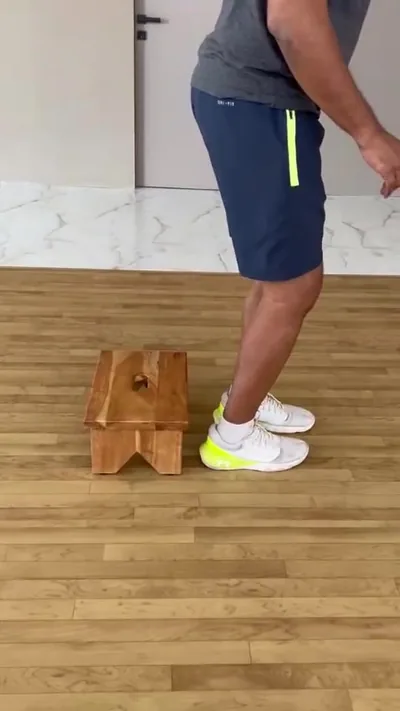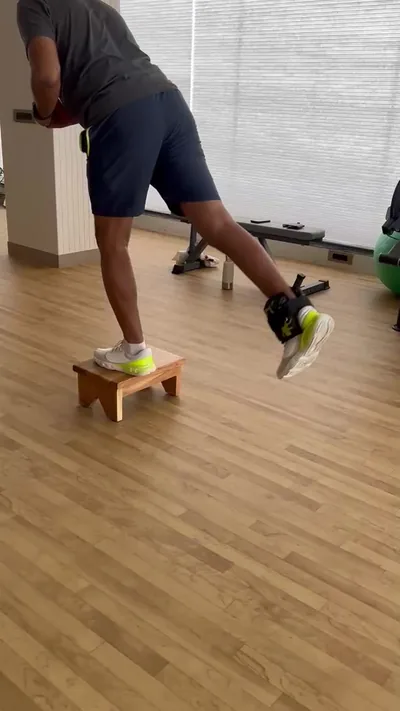
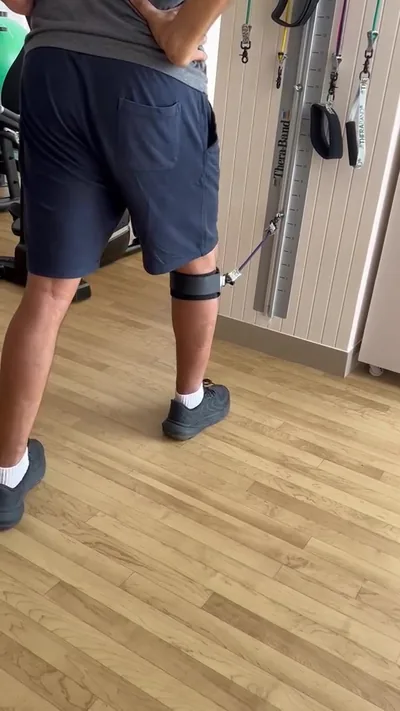
Backward Walking in ACL Rehab Phase 2
Backward walking helps athletes recover from ACL injuries. It builds knee stability in Phase 2 of rehab. This exercise targets quadriceps and improves control after surgery…
Read article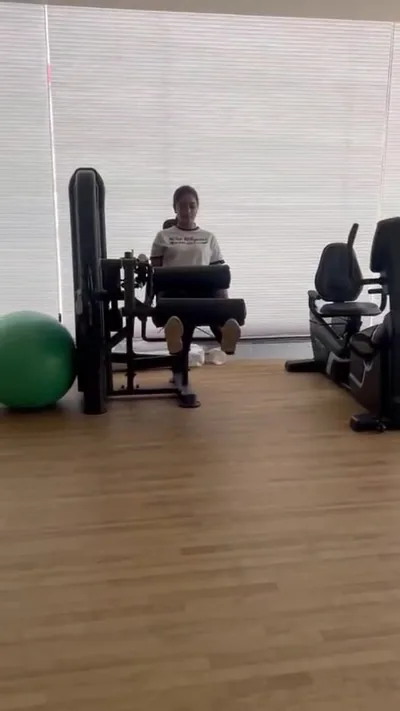
After ACL reconstruction surgery, phase 2 of rehab focuses on building knee strength and control. This stage often falls in months 2-3, once basic walking and straight-leg raises from phase 1 feel comfortable without pain or limping. Squats build on this foundation, helping you regain confidence in daily movements like standing from a chair or climbing stairs.
Progress too fast, and you risk setbacks in your recovery. Always start under physiotherapist guidance. At Trivayu Physio Center in Vaishali Nagar or Vidyadhar Nagar, Jaipur, our team assesses your knee stability, range of motion, and muscle activation before advancing. Dr. Jyoti Choudhary and others tailor plans for sports injury recovery like knee ligament rehab.
These ACL recovery squats build on phase 1 basics. They advance to controlled loading while protecting the graft site. Always get an in-person check before trying new movements.
Phase 2 typically starts around months 2-3 after surgery, once stitches are healed and your knee bends fully without catching. By then, your quadriceps muscle starts firing properly again, which is key for safe loading. ACL rehab squats in this mid stage ACL rehab improve not just quads but also glutes and core for balanced stability.
For athletes, progressive squatting ACL exercises mimic sport demands like quick changes in direction. They boost confidence in knee strengthening after ACL surgery by rebuilding neuromuscular control – the brain-to-muscle connection that prevents buckling. Looking for a Rehabilitation Centre Near Me? Our team in Vaishali Nagar, Jaipur can assess you in person.
A physiotherapist checks readiness with tests like a single-leg balance hold for 30 seconds or a controlled step-down from a 15 cm step. If your knee shifts inward or buckles, stay with easier moves first. Visit Trivayu Physio Center for a proper check. Our physiotherapists ensure safe squat progressions tailored to your graft type, like bone-patellar tendon graft or hamstring graft.
Before ACL rehab phase 2 squats, confirm prerequisites from phase 1: full pain-free knee extension, no limp during walking, and good hamstring flexibility to at least 90 degrees. Test readiness with wall sits held for 20-30 seconds or quarter squats to 30 degrees knee bend.
Follow progressive loading: Start with bodyweight only, using a chair for support if needed. Once 3 sets of 10 reps feel controlled, add a pause at the bottom for 2 seconds. Later, incorporate light resistance bands around the knees to cue outward tracking. More on Ankle Pain Treatment and how we assess it.
Avoid common mistakes:
Physiotherapy supervision spots these early. A therapist might use mirrors or video analysis to correct alignment during your session.
These post-ACL surgery squat progressions build step-by-step, 3-4 times weekly, with rest days to allow recovery. Do 2-3 sets per exercise, resting 90 seconds between sets. Pair with hamstring curls using a towel under your foot on a smooth floor.
Track progress by noting ease: When 12 clean reps feel smooth, advance. Pair with sports injury squat drills like lateral lunges for agility.
To aid ACL rehab squats, start with simple tools like a stable chair or yoga block for height adjustment. Resistance bands add challenge without heavy weights.
Manual Therapy loosens tight iliotibial band or calf tightness that blocks depth. Orthopaedic Rehabilitation builds foundational strength first. Electrotherapy cuts inflammation, allowing consistent training.
At Trivayu Physio Centre, we use tools like foam rollers for self-massage on quads and IT band post-squats, plus resistance bands for home carryover. Dry needling releases trigger points in Vastus Medialis Oblique (VMO), the inner quad vital for knee tracking.
Track weekly: Can you do 3 sets without pain, swelling less than a finger-width increase? Advance only then. Signs of readiness include squatting to 90 degrees knee flexion with control, no knee valgus on landing from a small hop. You may also find ACL Squat Depth Progression Month 3 useful.
Red flags: Sharp twinges in the graft area, buckling on descent, or increased warmth mean stop immediately. Rest, ice, elevate, and compress. Do not use heat if acute swelling starts.
Book an in-person assessment at Trivayu Physio Center, Vaishali Nagar or Vidyadhar Nagar, Jaipur. Our team, including Dr. Hritika Choudhary for post-op rehab, monitors ACL knee rehab exercises closely with gait analysis or app-based logging.
Safe ones layer support to challenge: chair squats first, then freestanding. Add isometric holds to build endurance.
Around months 2-3, after clearance from walking tests and quad activation drills. Your physiotherapist confirms with hands-on tests.
Week 1: supported bodyweight. Week 3: add pauses. Week 6: light load if stable. Always pain-free.
Terminal knee extensions with a band for quad wake-up, prone hamstring curls, and single-leg deadlifts for posterior chain balance.
Yes, with guided progression. Trivayu Physio Center offers tailored knee ligament rehab in Jaipur for safe return to sports like football or kabaddi.
In summary, phase 2 ACL rehab builds lasting knee resilience through controlled squats. Patience prevents setbacks. Recovery varies by age, graft type, and sport demands; professional input ensures safety at every step.
Book your assessment today. WhatsApp or call +91 90570 65065. Locations in Vaishali Nagar and Vidyadhar Nagar open Mon-Sat 8 am-8 pm, Sun 10 am-1 pm.
Physiotherapy is not the right first step for everything. Seek medical assessment promptly if any of the following apply to you:
If you lose control of your bladder or bowels, develop numbness around the groin, or have chest pain or breathlessness, treat it as an emergency and go to hospital.
Truly thankful to Dr. Jyoti Choudhary and the entire team of Trivayu Physio Centre for their genuine care, humble behaviour, and excellent treatment.
Mahesh Dhaka, Google review
This is one patient's own account, published with consent on our reviews page. It describes their experience, not a predicted outcome. Individual results vary.
Backward walking helps athletes recover from ACL injuries. It builds knee stability in Phase 2 of rehab. This exercise targets quadriceps and improves control after surgery…
Read articleAfter ACL surgery, rebuilding knee strength takes time and care. ACL rehabilitation phases guide this process step by step. Phase 1 protects the graft and cuts…
Read articleAfter hip replacement surgery, dressing your lower body safely helps build independence. By week 6 of hip replacement recovery, many patients aim to dress without help.…
Read articleMessage us on WhatsApp with your main concern and preferred time, and we'll confirm your first visit the same day.