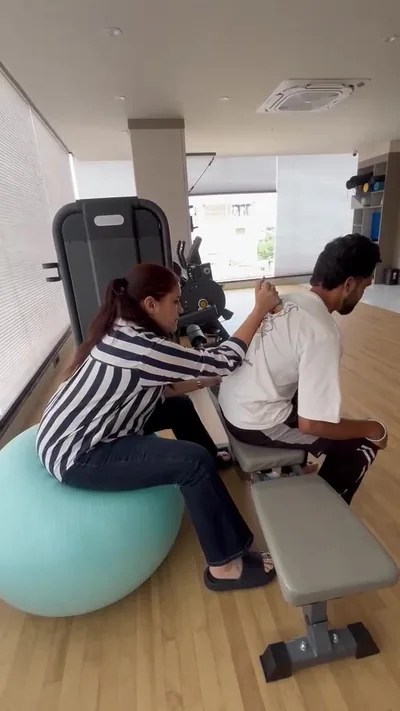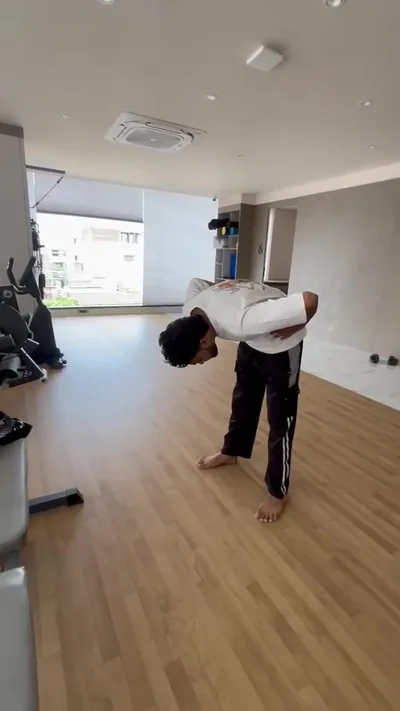
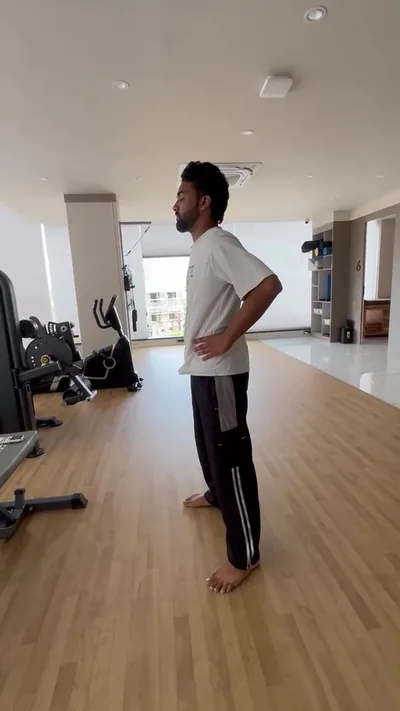
Is Side Bending Safe with L4 L5 Herniated Disc
An L4 L5 herniated disc happens when the disc between your fourth and fifth lumbar vertebrae bulges or ruptures. This presses on nearby nerves, causing pain…
Read article

After ACL surgery, week 16 marks a key point in your recovery. Many young athletes in Jaipur want to return to squats in the gym. Squat depth matters for building strength without risking your knee.
Progression depends on your healing, pain levels, and stability. No two recoveries match exactly. This guide covers ACL surgery squat depth week 16 for safe gym progression after knee surgery. It includes ACL reconstruction recovery timeline details, safe squat depth post ACL, gym progression steps, sports injury rehab in Jaipur, knee ligament injury recovery tips, post-op knee exercises, squat form in ACL rehab, and physiotherapy for ACL patients.
Always get an in-person check before deeper squats. Trivayu Physio Center in Vaishali Nagar helps with sports injury rehab Jaipur.
ACL reconstruction recovery timeline follows clear phases. In weeks 1-2, the focus stays on protecting the graft. You use crutches and work on straight-leg raises to avoid knee bending stress. Ice and elevation control swelling.
Weeks 3-4 introduce gentle range of motion. Heel slides and ankle pumps start. The physiotherapist teaches you to walk without a limp. Patellar mobilisations prevent stiffness around the kneecap.
Weeks 5-8 build basic strength. Closed-chain exercises like mini wall sits appear. You practice balance on stable surfaces. Hamstring curls with light resistance come in if the graft allows. Looking for a Rehabilitation Centre Near Me? Our team in Vaishali Nagar, Jaipur can assess you in person.
Weeks 9-12 ramp up. Double-leg squats to quarter depth test control. Stationary cycling with low resistance improves endurance. Proprioception drills on wobble boards sharpen knee awareness.
By week 16, advanced strengthening begins for many. This phase tests dynamic stability. Squats deepen if earlier milestones pass. A physiotherapist assesses graft integrity through specific tests like the Lachman or pivot shift, done gently in clinic.
This timeline guides knee ligament injury recovery. Factors like your age, graft type (hamstring or patellar tendon), and surgery details influence speed. Young athletes in Jaipur often progress faster with consistent input. More on Ankle Pain Treatment and how we assess it.
Safe squat depth post ACL at week 16 depends on your control. Quarter squats (knees to 30 degrees) suit early week 16. Parallel squats (hips level with knees) work if you pass stability checks.
Full depth (below parallel) rarely fits yet. It demands strong quads, hamstrings, and glutes. Pushing here without clearance strains the graft.
Factors like residual swelling, hamstring strength, and hip mobility affect safe squat depth post ACL. ACL recovery squat depth builds gradually. Track your knee’s response over sessions. If it swells after, step back.
A physiotherapist uses hop tests or single-leg squats to measure readiness. Book an assessment for personalised advice. Do not chase online milestones alone.
Squat form ACL rehab prevents re-injury. Feet shoulder-width, toes slightly out. Push hips back first, like sitting into a chair. Knees stay aligned with second toes.
Core tightens to protect the spine. Chest up, eyes forward. Descend slowly (3 seconds down), explode up controlled. Breathe in on way down, out on way up. You may also find ACL Squat Depth Progression Month 3 useful.
Common errors hurt progress. Knee valgus (knees caving in) overloads the ACL graft. Back rounding shifts load off quads. Heels lifting reduces glute work.
Use a mirror or record video. Start with bodyweight. A dowel rod on your back checks alignment: touches head, upper back, and tailbone throughout.
Warm up with 10 minutes cycling and dynamic stretches like leg swings. This preps joints for post-op knee exercises.
Gym progression after knee surgery follows rules. Train 2-3 times weekly, with rest days. Each session lasts 45-60 minutes.
Week 16 sample progression:
Progress load only after 2 weeks pain-free at current level. Electrotherapy like TECAR Therapy reduces pain before sessions, aiding recovery.
Jaipur gym goers, pair with foam rolling for quads and IT band. Hydrate well in our dry climate.
Pair squats with targeted post-op knee exercises. Single-leg Romanian deadlifts build hamstrings without knee stress. Hinge at hips, keep back flat, lower to mid-shin.
Step-ups on a 15-20 cm box improve control. Lead with operated leg, drive through heel. Step-downs follow once mastered.
Bulgarian split squats challenge balance. Rear foot elevated, front knee tracks over toes. Alternate legs.
Lateral lunges strengthen inner thighs. Step side, bend one knee, keep other straight. Return to centre.
Calf raises on a step build ankle stability. Rise on toes, lower heels below step level slowly.
Balance on foam pads or BOSU ball. Eyes closed adds challenge for proprioception. Manual Therapy helps if scar tissue limits motion.
Orthopaedic Rehabilitation provides structured plans here. Clinical Pilates aids core and posture. Track weekly gains in a journal: reps, depth, pain score (0-10).
Progression principles: Master 10-15 reps pain-free before advancing. Add weight slowly. Rest if soreness lasts over 48 hours.
Physiotherapy for ACL patients starts with assessment. The therapist reviews your surgery notes, tests range, strength, and stability. They demonstrate exercises hands-on.
Sessions last 45 minutes. Expect hands-on work to mobilise joints, plus electrotherapy for pain. Home exercise plans follow, with videos for form.
In Jaipur’s sports injury rehab, focus returns to cricket, football, or gym. Dr. Jyoti Choudhary, with 17+ years, guides knee ligament injury recovery. Dr. Hritika Choudhary handles post-op rehab.
Red flags: knee swelling, sharp pain, giving way, or clicking during squats. Instability means stop and consult.
Trivayu Physio Center offers expertise. Visit at 204, 2nd Floor, Om Tower, Gandhi Path Road, Nemi Nagar, Vaishali Nagar, Jaipur. Also in Vidyadhar Nagar. Home visits and online consultations available. Team explains treatments clearly.
Partial to parallel for many, if stable and pain-free. Quarter depth always safe. Depth depends on your progress. Get assessed first.
Increase depth or reps gradually. Ensure form, stability, no pain. Use box squats first. Follow physio guidance.
Not typically yet. Most reach partial or parallel. Full squats often wait till 6 months or later. Varies by person and clearance.
Single-leg deadlifts, split squats, lunges, step-ups, balance drills. Build quad, hamstring, glute, and calf strength symmetrically.
If pain, swelling, instability, or unsure. Before deepening squats or adding weight. Local experts guide safe return to sports.
Safe progression rebuilds your knee for sports. Listen to your body and seek pro input. Recovery takes time but leads back to the gym stronger.
Book an assessment at Trivayu Physio Center today. WhatsApp +91 90570 65065 or call.
Physiotherapy is not the right first step for everything. Seek medical assessment promptly if any of the following apply to you:
If you lose control of your bladder or bowels, develop numbness around the groin, or have chest pain or breathlessness, treat it as an emergency and go to hospital.
Truly thankful to Dr. Jyoti Choudhary and the entire team of Trivayu Physio Centre for their genuine care, humble behaviour, and excellent treatment.
Mahesh Dhaka, Google review
This is one patient's own account, published with consent on our reviews page. It describes their experience, not a predicted outcome. Individual results vary.
An L4 L5 herniated disc happens when the disc between your fourth and fifth lumbar vertebrae bulges or ruptures. This presses on nearby nerves, causing pain…
Read articleShopkeepers in Jaipur often stand for long hours behind counters. This prolonged standing can trigger sciatica pain. Sciatica happens when the sciatic nerve gets irritated, often…
Read articleHerniated disc night pain disrupts sleep for many. The disc bulge presses on nerves, causing sharp back pain or sciatica that flares up at night. Simple…
Read articleMessage us on WhatsApp with your main concern and preferred time, and we'll confirm your first visit the same day.